

How Brands Build Identity?
In the Middle East, standing out is not only about a recognizable logo. It is about building a brand identity that blends culture, trust, and innovation. In competitive hubs like Dubai, global giants compete with emerging startups. Only brands that balance authenticity with modern appeal succeed.
A signature clothing brand or outstanding fashion brand grows when it reflects lifestyle expectations. That can mean luxury aesthetics. It can mean sustainable fabrics. It can mean culturally respectful designs. The same applies to food and drink brands that outrank. Halal standards matter. Bold packaging matters. Storytelling matters. Products become more than commodities. They become experiences.
The Middle East Audience: Emotion Meets Relevance
To stand out in the Middle East, brands must balance two powerful forces: emotional connection and cultural alignment.
- Heritage and Identity: Audiences value authenticity. Brands that respect local traditions while weaving them into modern storytelling create trust and recognition.
- Design and Innovation: Aesthetic excellence and innovation signal quality. From packaging to digital presence, standout brands deliver visual impact that resonates with diverse cultures.
- Emotional Loyalty: Beyond transactions, Middle Eastern consumers reward brands that inspire belonging, pride, and shared values—turning attention into long-term loyalty.
What Are The Key Factors That Make a Brand Stand Out in the Middle East?

The Middle East is shaped by diversity. Brands that resonate deeply connect with locals, expatriates, and tourists through tailored messaging, cultural sensitivity, and consistent identity.
Cultural Sensitivity in the Middle East
The Middle East thrives on cultural diversity. Brands that earn local loyalty respect traditions while speaking to expatriates and tourists. From halal certifications in food to modest yet trendy fashion labels, cultural sensitivity builds trust and long-term relevance.
Luxury as a Lifestyle Standard
Here, luxury is not optional—it’s expected. Consumers favor premium fashion houses, high-end SUVs, and exclusive hospitality. Offering exclusivity and aspirational value is how brands achieve differentiation and secure loyalty in competitive sectors.
Digital-First Consumer Behavior
Audiences across the region are mobile-first and social-first. Success often depends on gaining strong recognition on social media through influencer marketing, storytelling, and e-commerce. Brands that adapt quickly to this digital-first mindset build a lasting presence and competitive edge.
Power of Visual Branding
Visual appeal drives recognition and authority. Strong packaging, impactful design, and innovations like a video brochure Dubai help a brand cut through noise. In a crowded marketplace, compelling visuals are often the fastest way to establish authority and secure visibility.
Why Must Brands Prioritize Cultural Relevance in the Middle East?
In the Middle East, what enables a brand to resonate deeply is its ability to balance cultural relevance with modern appeal. Consumers connect with brands that achieve differentiation, such as a clothing label that blends modest fashion with global trends, or a food company that earns trust through halal certification. This cultural alignment ensures a brand doesn’t just enter the market but becomes part of it.
Lifestyle and digital behavior also define success. Shoppers are drawn to premium fashion houses and luxury SUVs that symbolize prestige. At the same time, social media marketing has become the stage where brands gain strong recognition on Instagram, using influencer storytelling to shape decisions. In this competitive space, the key to building lasting presence lies in merging cultural sensitivity with digital visibility—transforming attention into loyalty.
Competitive Landscape and Differentiation in the Middle East
| Factor | How Brands Compete | What Makes Stand Out Brands Successful |
| Luxury Market | High concentration of premium fashion, automotive, and lifestyle brands. | Strong storytelling, exclusive experiences, and clear brand purpose. |
| Mass Retail | Price wars among supermarkets (e.g., Carrefour Dubai brochures and Lulu Hypermarket campaigns). | Clear promotions, high-quality brochure design Dubai campaigns, and localized offers. |
| Real Estate & Hospitality | Multiple developers and hotels competing with brochures like Dubai Hills Estate or Atlantis Dubai brochures. | Visual branding that combines aspirational lifestyle with credibility. |
| Digital-First Startups | Growing presence of e-commerce, fintech, and delivery apps. | Agile branding, consistent social media voice, and customer-centric design. |
| Tourism & Travel | High volume of Dubai travel brochures, expo 2020 Dubai brochures, and hybrid digital guides. | Immersive visuals, Arabic-English content, and showcasing cultural authenticity. |
| Fashion & Lifestyle | Stand out clothing brands and stand out fashion brands dominate youth markets. | Unique designs, influencer collaborations, and values-driven storytelling. |
How Do Digital and Social Media Help Brands Stand Out in the Middle East?

In the Middle East, social media is the main stage for brands that stand out. It is where attention is won or lost fast. Platforms like Instagram, TikTok, and Snapchat are not just communication tools. They are cultural arenas. They shape consumer choices every day.
Fashion, beauty, and lifestyle companies lean on influencers for storytelling. Influencers make messages feel personal. They make them feel authentic. A standout fashion brand owner does not just promote products. They craft experiences. They merge modern trends with Middle Eastern identity.
The strongest brands that stand out on social media combine bold visuals, strategic social media design, and authenticity. They keep the story real. They keep it consistent. From viral campaigns to user-generated Dubai travel content, digital storytelling helps brands move beyond ads. It helps them build trust at scale.
How Luxury Fashion and Automotive Brands Stand Out?
Luxury in the Middle East is more than status—it is identity. From standout fashion brands in Dubai malls to premium automotive giants, exclusivity signals trust, prestige, and cultural alignment.
A brand that stands out in this segment often uses craftsmanship, limited editions, or bespoke services. This approach resonates with an audience that values rarity and quality over mass production.
Premium positioning also relies on immersive experiences. Whether it’s a standout clothing brand hosting private showcases or a hospitality brand offering curated lifestyle packages, success comes from blending aspiration with authenticity.
How Does Visual Branding Influence Trust in Middle Eastern Markets?
Culturally Aligned Visual Branding
In the Middle East, visual branding signals trust instantly. Colors, typography, and layout shape first impressions fast. Brands that balance Arabic and English well feel familiar from the outset. This matters in malls, ads, and social feeds. Clear bilingual design creates a connection. It reduces hesitation. It also improves perceived legitimacy.
Designing a Logo That Stands Out
A strong logo must work everywhere. Focus on bilingual legibility first. Then focus on versatility. The mark should scale cleanly without losing clarity. It must hold impact on physical signage. It must affect product packaging. It must also affect digital thumbnails. If it breaks at small sizes, it weakens trust.
Consistency Across Assets
Consistency builds recognition. A strong clothing brand maintains a consistent visual rhythm across look books. It repeats its in-store signage. It also repeats it on Instagram grids. Food and beverage brands align menu layouts. They match the delivery packaging. They also match outdoor billboards. This creates familiarity. It also speeds recall.
Owning a Signature Style
Signature style creates long-term recall. Use geometric patterns when they fit. Use subtle calligraphy-inspired details where appropriate. Use refined gold accents where appropriate. Keep it restrained. Signature elements work through repetition. They gain power when applied thoughtfully. Overuse dilutes impact. Consistent restraint strengthens premium perception.
Testing for Performance
Visual identity must perform across all environments. Test it on Instagram Reels. Test it on dark-mode smartphone screens. Test it on high-traffic Dubai billboards. Many Dubai brands now use short brand video production. They show craftsmanship and heritage in under 15 seconds. They blend immersive storytelling with bilingual motion design. They use dark-mode-friendly palettes. They build Reels and TikTok-first assets that feel authentic and premium. If the brand does not read clearly within three seconds, refine it until it connects instantly.
How Can Brands Blend Online Influence with Offline Advocacy in the Middle East?
The Role of Influencers in the Middle East
In the Middle East, social media optimization is not optional—it’s cultural. From luxury fashion to F&B, consumers trust recommendations from personalities they follow more than traditional ads. Choosing authentic voices aligned with your audience is what allows a brand to resonate deeply in crowded markets.
Word-of-Mouth as Social Currency
Trust still spreads offline. A premium fashion label in Dubai’s malls grows because customers share experiences with family and friends. In this region, word-of-mouth acts as powerful social proof, reinforcing campaigns and building lasting loyalty.
Building Community Trust
Middle Eastern consumers value transparency, ethics, and cultural sensitivity. Brands that openly showcase values—whether sustainability, halal compliance, or customer-first service—earn genuine community trust and establish strong authority.
Blending Online & Offline Advocacy
The most successful brands combine influencer reach, peer-to-peer sharing, and offline community presence. Brands now blend Instagram Reels with offline events and WhatsApp groups to create seamless advocacy loops. Whether it’s a fashion label promoted on Instagram or a restaurant praised in WhatsApp communities, credibility grows when digital and word-of-mouth reinforce each other.
Brands That Stand Out in the Middle East
1. Saudi Aramco

Saudi Aramco remains the Middle East’s most valuable brand. It is worth $41.7 billion. It stands out for its unmatched energy scale and technological innovation. There is also growing investment in sustainability. As a national symbol of Saudi Arabia’s economic strength, Aramco blends heritage with modernization. It builds trust across global markets. It also leads to regional growth. This makes it the most influential brand in the Middle East.
2. ADNOC

Abu Dhabi National Oil Company (ADNOC) holds strong at nearly $19 billion. This positions it as one of the region’s fastest-growing brands. It stands out by combining global energy leadership with bold sustainability goals. This includes investments in carbon-reduction and hydrogen-fuel initiatives. ADNOC embodies the UAE’s progress-driven vision. It reinforces its reputation as a modern, trusted energy brand. It is shaping the future of the Middle East.
3. Emirates

Emirates is one of the most recognized airline brands globally. It is also a source of national pride for Dubai. It stands out through world-class service and luxury positioning. It also delivers consistent customer experiences across lounges, flights, and marketing. It embodies cultural hospitality while maintaining premium quality. Emirates has become a global benchmark in aviation. It is also one of the most successful brands in the Middle East.
4. ROSHN Group

ROSHN is Saudi Arabia’s national real estate developer. It is also one of the region’s fastest-rising brands. It aligns with Vision 2030. It builds mega-communities that prioritize sustainability, innovation, and cultural relevance. ROSHN stands out by redefining urban living. It combines modern design with heritage values. Its large-scale projects position it as a transformative force in real estate. It is a standout brand driving Saudi Arabia’s urban development.
5. Al Rajhi Bank

Al Rajhi Bank is the world’s largest Islamic bank. It stands out by blending faith-driven financial services with digital modernization. It is deeply trusted in Saudi Arabia. This trust comes from its heritage in Islamic finance and its extensive branch network. It embraces mobile banking and innovative services. Al Rajhi strengthens its reputation as a forward-looking financial leader. It remains culturally authentic. It ranks among the Middle East’s top brands.
6. Emaar Properties

Emaar Properties was founded in 1997 and is based in Dubai. It is among the most admired real estate and lifestyle developers globally. It has a strong net asset value. It also features iconic projects such as the Burj Khalifa and the Dubai Mall. Emaar shapes new lifestyles through design excellence and build quality. It focuses on timely delivery and integrated developments. These include residences, retail, malls, hospitality, and leisure. These drive brand visibility, prestige, and trust across the GCC.
7. stc (Saudi Telecom Company)

stc is one of the strongest regional telecom and digital brands. It has evolved into a leader across cloud services, fintech, and entertainment platforms. It stands out by delivering innovation. It also stays rooted in Saudi cultural values. It has a strong customer base and consistent trust. stc shows how digital transformation and heritage work together. This supports long-term success. It is a standout brand in the Middle East’s competitive technology landscape.
8. QNB (Qatar National Bank)

QNB continues to rank among the Middle East’s most valuable financial brands. It stands out for strength in Islamic banking and regional reach. It combines heritage trust with modern digital innovation. It serves both retail and corporate clients. Financial security is key in this environment. QNB’s resilience, adaptability, and authority stand out. It remains one of the most respected and enduring banking brands across Qatar and the wider GCC.
9. SABIC (Saudi Basic Industries Corporation)

SABIC is one of the Middle East’s most valuable and influential industrial brands. Its brand value is around $4.9–5.1 billion in recent assessments. This makes it a top player in the global chemical industry. It was founded in Saudi Arabia in 1976. It stands out for its global manufacturing scale. It also leads innovation in chemicals and high-performance plastics. It shows strong commitments to sustainability and customer reliability.
10. Almarai

Almarai is the Middle East’s leading food and beverage brand. It is trusted across millions of households. It stands out for its consistent quality and strong alignment with halal standards. It also stands out for supply chain reliability. It is known for dairy, juices, and bakery products. Almarai combines heritage trust with modern food innovation. Its wide reach and cultural relevance make it a standout brand. It defines everyday consumer life across Saudi Arabia, the UAE, and the wider GCC.
Essential Elements of a Stand-Out Brand in the Middle East
Cultural Relevance
Middle Eastern consumers reward brands that respect the Arabic language, Islamic values, and regional traditions. Emirates reflects this through multilingual crews and services shaped by cultural hospitality. It proves cultural sensitivity is a growth driver, not only a courtesy.
Luxury Positioning
In Dubai and across the GCC, luxury is a lifestyle standard. Chalhoub Group shows how to make a brand stand out by blending exclusivity with heritage. It does this through curated partnerships with global fashion houses while elevating local talent. Here, standing out is not about high prices. It is about premium service, storytelling, and craftsmanship.
Digital-First Presence
Noon shows the impact of adapting e-commerce to Middle Eastern behaviors. It prioritizes Arabic-first design, regional payments, and influencer tie-ins. It shows brands that stand out online win through digital localization. Social-first platforms for Instagram and TikTok marketing amplify reach when paired with cultural humor and regional trends.
Innovation as Differentiation
Majid Al Futtaim transformed retail into lifestyle experiences and turned malls into cultural hubs. This mirrors how innovation defines stand-out brands. It includes immersive mall experiences, AR-driven fashion campaigns, and video brochure Dubai launches. Innovation signals relevance. It also signals leadership.
Consistency Across Touchpoints
Brands that stand out deliver harmony across every interaction. Emirates maintains consistency in lounges, in-flight service, and global advertising. The same brand promise is felt everywhere. This consistency builds recognition and authority in competitive markets.
Emotional Storytelling
Al Baik proves emotional connection can outshine advertising. Its reputation grew through community trust and word of mouth. It created a cult following that expanded from Saudi Arabia into Dubai. Like Emirates’ emphasis on cultural pride, authentic emotional storytelling turns casual buyers into lifelong loyalists.
What Are The Common Branding Mistakes to Avoid in the Middle East?

Ignoring Cultural Nuances
Brands that overlook Arabic traditions, language, and values often fail to connect with local audiences. Using Western-only imagery or tone makes it difficult to build trust in Dubai and the wider Middle East.
Inconsistent Brand Identity
Changing logos, colors, or messaging across platforms confuses customers. Strong brands in the UAE stand out by maintaining visual and verbal consistency at every touchpoint.
Overlooking Digital-First Habits
With TikTok, Snapchat, and Instagram leading in the region, brands that don’t optimize for mobile-first engagement risk losing visibility. A digital-first strategy for snapchat advertising and others is essential to stand out in the Middle East.
Competing Only on Price
Relying solely on discounts weakens credibility and brand value. In premium markets like Dubai, businesses that highlight quality and experience stand out far more than those offering low-cost alternatives.
Neglecting Customer Experience
Poor service or fragmented touchpoints can quickly damage a reputation. In the UAE, where word-of-mouth travels fast, investing in customer satisfaction ensures long-term brand loyalty.
How To Build a Brand Authority in the Middle East?
1. Master Branding Fundamentals
To gain strong recognition, you need a solid foundation: a clear mission, sharp positioning, and authentic values. In Middle Eastern markets, where heritage and innovation blend, these fundamentals help brands achieve differentiation from competitors.
2. Build a Distinctive Identity
A fashion label thrives by aligning design, colors, and typography with cultural tastes. Visual branding that fuses Arabic influences with global appeal helps your brand resonate deeply in Dubai and beyond.
3. Define a Unique Value Proposition
Consumers ask: What sets your brand apart? In competitive sectors such as real estate, luxury, and F&B, a focused UVP helps your business build a lasting presence and avoid blending into the generic offerings.
4. Strengthen Digital & Social Skills
Mastering social media is now essential. Short-form content, influencer partnerships, and user-generated campaigns help brands secure visibility on Instagram and TikTok across the GCC. We recently helped a Dubai modest fashion label increase Instagram Marketing reach by 3.8× through culturally aligned visuals and targeted influencer collaborations.
5. Enhance Customer Engagement
Brand authority often comes down to experience. Responding promptly to feedback, personalizing offers, and rewarding loyalty turn customers into advocates. We supported a UAE-based F&B brand that grew repeat visits by 42% after implementing loyalty rewards tied to local cultural moments and feedback loops.
6. Stay Agile to Market Trends
Brands that earn local loyalty adapt quickly to consumer shifts. Whether in sustainable fashion or digital-first startups, agility keeps your presence strong and competitive throughout the Middle East.
How Does COLAB DXB Help Define Your Brand Identity and Value?
In Dubai, brands that stand out can shape entire industries. COLAB DXB helps businesses move beyond templates. A standout brand strategy is not about flashy campaigns. It is about building identity, positioning for impact, and ensuring your brand stands out in the marketplace.
COLAB DXB guides every layer of strategy. We define what makes your brand stand out. We shape a unique value proposition. We design experiences that resonate with multicultural Middle Eastern audiences. Whether you’re a standout clothing brand seeking global reach or a luxury brand aiming to stand out for good, the process is customized to your market goals.
By combining branding strategies with deep local insight, COLAB DXB helps companies build credibility. It helps position brands against global competitors. It helps them succeed in one of the world’s most competitive business hubs.
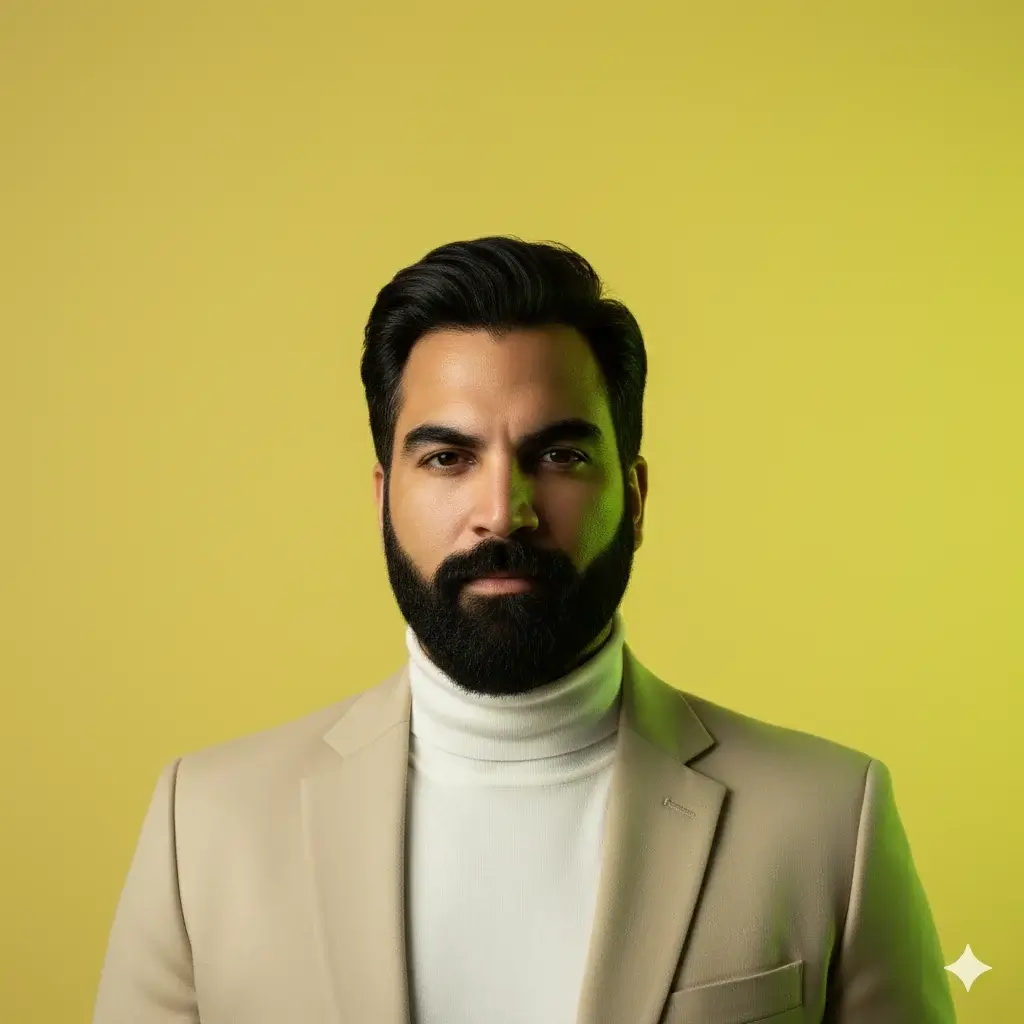
About The Author
Sid hasan
Sid Hasan is an entrepreneur and marketing strategist recognized for his expertise in brand growth, digital innovation, and business development. With over a decade of experience, he has guided companies in building data-driven marketing ecosystems that generate measurable results.
As the founder of COLAB Marketing Inc., Sid leads a global agency serving over 200 brands across the U.S. and UAE, blending creative storytelling with performance-driven strategy to help businesses scale effectively.
Through COLAB, he continues to empower emerging and established brands to transform ideas into lasting market impact through strategic clarity, creative execution, and digital excellence.