

SEO vs PPC
SEO and PPC solve different problems inside the same search environment. SEO earns visibility by making pages useful, technically accessible, and authoritative enough to rank. PPC buys exposure through ad auctions, audience settings, keyword bids, creative testing, and landing page quality.
The question is not which channel is universally better. A better question is: which channel gives your business the right mix of speed, cost control, credibility, and learning at the current stage of growth?
In 2026, that question has become more complex because search pages are no longer predictable lists of ads followed by organic results. AI Overviews, AI Mode, local modules, shopping placements, videos, forums, and rich snippets can all interrupt the click path. Google has also introduced dedicated generative AI performance reporting in Search Console, showing that AI visibility now needs to be measured as part of search performance, not treated as a side topic.
What SEO and PPC Mean in Digital Marketing

SEO, or search engine optimization, is the work of improving a website so search engines can crawl it, understand it, trust it, and show it for relevant searches. It includes technical structure, content quality, internal linking, topical authority, local signals, structured data, and off-page credibility.
PPC, or pay-per-click advertising, is a paid search model where advertisers pay when users click an ad. In Google Ads, visibility is influenced by bids, ad quality, expected click-through rate, search context, landing page experience, and competitive pressure. Google explains that Ad Rank includes bid and auction-time quality signals, including ad relevance and landing page experience.
SEO creates durable search equity. PPC creates controlled exposure. SEO helps a brand become easier to discover without paying for every visit. PPC helps a brand appear quickly when a query has immediate commercial value.
Why SEO vs PPC Is a Critical Decision for Businesses

The wrong channel mix can quietly damage growth. Too much PPC can make acquisition expensive and fragile. Too much SEO too early can leave a new offer waiting months for traffic. Underinvesting in both can make competitors own the search results while your brand depends on referrals, cold outreach, or social media reach.
For startups, service businesses, e-commerce stores, real estate companies, SaaS firms, and B2B agencies, search strategy affects cash flow. PPC can validate a market quickly. SEO can reduce future cost per acquisition. Together, they can show which keywords convert, which objections matter, which landing pages persuade, and which topics deserve deeper investment.
This is especially important in the UAE, where many industries face strong paid-search competition, multilingual search behavior, local map-pack influence, and fast-moving buyer expectations. A Dubai real estate campaign, for example, cannot rely only on generic traffic. It needs city-specific landing pages, high-intent paid campaigns, local trust signals, comparison content, and remarketing that follows a buyer’s research cycle.
How Search Behavior Has Changed Over Time

Search behavior used to be easier to map. A user entered a keyword, scanned results, clicked a listing, and visited a site. Now users search, read AI-generated summaries, compare reviews, ask follow-up questions, check social proof, watch videos, return through branded searches, and convert days or weeks later.
Zero-click behavior has increased the pressure. SparkToro and Datos found that nearly 60% of Google searches in 2024 ended without a click, and later reporting from Similarweb showed zero-click patterns climbing in some news-related categories after AI Overviews expanded.
AI search adds another layer. Users may get a sufficient answer directly from Google, ChatGPT, Perplexity, Gemini, or another AI interface before they ever visit a website. That does not make SEO useless. It changes what SEO must do. Brands now need content that can rank, be cited, earn trust, satisfy human readers, and support conversion after a smaller but better-informed click.
PPC still matters because people with high purchase intent continue to click ads when they want prices, appointments, quotes, demos, bookings, or product availability. The winning pattern is different now: use paid search for urgent demand and controlled testing, while using SEO to build topic depth, brand authority, and lower-cost demand capture over time.
SEO vs PPC in the Context of Modern Buyer Journeys

Modern buyers rarely move in a straight line. A facilities manager may search “best access control system,” read two comparison articles, click a competitor ad, return through a branded query, share a pricing page with procurement, and book a demo after seeing a retargeting ad. A property buyer in Dubai may move from “best areas to buy apartments in Dubai” to developer reviews, mortgage calculators, YouTube tours, map searches, and finally a lead form.
SEO supports the research layer. It answers questions, explains options, compares alternatives, and builds confidence before a buyer is ready to speak. PPC supports the decision layer by reaching users when they search for high-intent phrases such as “book consultation,” “pricing,” “near me,” “Google Ads agency Dubai,” or “SEO company for real estate.”
A search program works best when both channels share the same intelligence. PPC should not operate with one set of keyword assumptions while SEO uses another. The search terms that produce qualified leads in paid campaigns should influence organic content priorities. Organic pages that attract engaged users should influence paid landing page strategy.
How AI Overviews Are Reshaping SEO vs PPC in 2026

AI Overviews have changed what “visibility” means. A page can rank well and still lose clicks if the AI answer satisfies the query. A brand can also gain visibility if it is cited inside an AI Overview, even when traditional ranking position is not the only factor.
Google’s official guidance says generative AI search still depends on many foundational SEO principles: valuable content, clear technical structure, local and e-commerce details where relevant, crawlable pages, and eligibility to appear in Search. Google also notes that being indexed and technically eligible does not guarantee inclusion in generative AI features.
For SEO, the practical response is to create content that adds something AI cannot easily summarize from generic sources. That may include first-party data, local experience, pricing context, operational examples, original comparisons, decision criteria, product details, customer-fit guidance, and clear answers to buyer questions.
For PPC, AI Overviews change screen position and user behavior. Search Engine Land reported Seer Interactive data showing sharp declines in both organic and paid CTR on informational queries where AI Overviews appeared, including a 68% paid CTR decline in the studied query set.
The integrated response is simple in principle and demanding in execution: use PPC to identify converting search terms, then build SEO assets around the questions and comparison points behind those terms. Use SEO to create authority, then use PPC to capture buyers when they reach the bottom of the funnel.
Understanding Search Engine Optimization (SEO)
SEO is the process of making a website easier for search engines and people to trust. It is not only about rankings. It is about creating pages that deserve to be shown, answer the searcher’s intent, load properly, connect to related topics, and support business outcomes.
A strong SEO program touches content, code, site structure, analytics, user experience, local presence, brand reputation, and conversion paths. In 2026, it also has to consider AI visibility, not only classic organic listings.
What Is SEO
SEO means improving a website so it can earn unpaid visibility in search results. That visibility can appear through classic organic listings, local results, product results, rich snippets, video surfaces, image search, Discover, and generative AI features.
Good SEO connects three things: what users are trying to solve, what the business offers, and how search engines evaluate relevance. A page about PPC management, for example, should not merely repeat “PPC services” several times. It should explain campaign structure, cost factors, account cleanup, conversion tracking, landing page requirements, budget ranges, and when paid search is or is not a fit.
How SEO Works in Search Engines
Search engines crawl web pages, process their content, store information in an index, and rank results when users search. A page must be discoverable before it can rank. It must also communicate meaning clearly through headings, body copy, links, schema, metadata, media, and page structure.
Search algorithms evaluate many signals. Some relate to content relevance. Others involve site quality, user experience, authority, freshness, spam detection, structured data, and intent alignment. Google’s public guidance around generative AI features continues to emphasize foundational SEO, technical accessibility, and non-commodity content.
On-Page SEO Explained
On-page SEO focuses on what happens inside a page. This includes the title tag, meta description, headings, opening paragraph, internal links, image alt text, content organization, keyword usage, entity coverage, FAQs, and calls to action.
A well-optimized page does not read like a keyword checklist. It makes the topic easier to understand. For a service page, that may mean explaining who the service is for, what problem it solves, what is included, what is not included, what the process looks like, what decisions affect price, and what results should be measured.
Off-Page SEO Explained
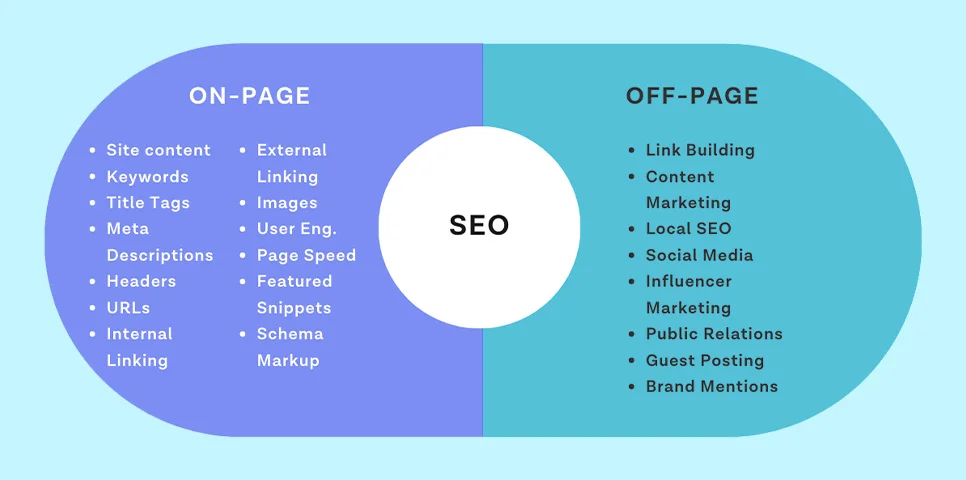
Off-page SEO includes signals that happen outside your website. Backlinks remain the most obvious example, but reputation also comes from brand mentions, local citations, reviews, digital PR, industry directories, partner references, media coverage, and trusted third-party discussion.
For competitive terms, off-page credibility can separate two otherwise similar pages. A brand with authoritative references, consistent business information, and relevant mentions often has a stronger trust profile than a site with isolated content and no external validation.
Technical SEO Fundamentals
Technical SEO helps search engines access, render, understand, and index your pages. Common areas include crawlability, XML sitemaps, robots.txt, canonical tags, mobile performance, Core Web Vitals, HTTPS, JavaScript rendering, duplicate URLs, pagination, redirects, structured data, and site architecture.
Technical problems often hide beneath surface-level content work. A company may publish strong articles, but if important pages are blocked, duplicated, slow, orphaned, or poorly linked, rankings can stall. Technical SEO also matters for migrations, e-commerce filters, multilingual sites, and local landing page structures.
Content and Keyword Strategy in SEO
Keyword strategy is not just picking search terms with high volume. It is matching pages to intent. A keyword like “SEO vs PPC” needs a comparison page. A query like “Google Ads cost Dubai” needs pricing context and local market factors. A query like “how long does SEO take” needs expectations, variables, examples, and risk warnings.
Topic clusters help organize this work. A main page can cover the broader topic, while supporting pages answer specific questions. Internal links then connect the cluster so users and search engines can understand how the information fits together.
SEO Ranking Factors That Matter Today
The most important SEO factors in 2026 are not tricks. They are relevance, usefulness, technical access, authority, page experience, content depth, freshness where it matters, and demonstrated understanding of the topic.
AI search makes shallow content easier to ignore. Pages that simply summarize public information without perspective are less defensible. Stronger pages include comparisons, original examples, expert review, local knowledge, use-case fit, product specifics, pricing realities, risks, and next-step guidance.
How Long SEO Takes to Deliver Results

SEO timelines depend on competition, site age, technical health, content quality, authority, and execution pace. Many websites can begin seeing movement within three to six months, but competitive commercial terms often require six to twelve months or longer.
The early phase usually involves fixing technical barriers, mapping keywords, improving existing pages, publishing priority content, and strengthening internal links. The compounding phase begins when pages start ranking for multiple related terms, earning engagement, and supporting conversions across the funnel.
PPC is often useful during this period because it can create traffic and lead flow while organic rankings mature.
Understanding Pay-Per-Click Advertising (PPC)
PPC gives businesses immediate access to search demand. Instead of waiting for organic rankings, advertisers bid for visibility when people search for relevant terms.
The strength of PPC is control. You can choose keywords, locations, devices, schedules, budgets, audiences, ad copy, extensions, and landing pages. The weakness is dependency. When spend stops, non-brand paid traffic usually stops with it.
What Is PPC Advertising
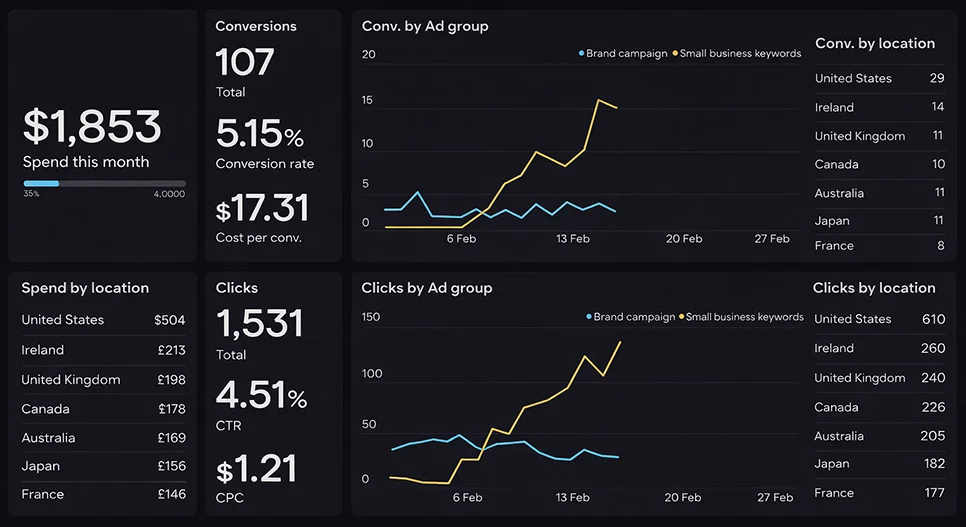
PPC advertising is a paid model where advertisers pay when users click an ad. Search PPC is most commonly associated with Google Ads and Microsoft Ads, but the concept also appears in shopping, display, social, and remarketing campaigns.
For search campaigns, PPC is strongest when the user’s intent is clear. A person searching “book SEO consultation,” “Google Ads agency Dubai,” or “emergency AC repair near me” is much closer to action than someone searching “what is marketing.”
How PPC Works in Search Engines
PPC ads are triggered by search queries and keyword targeting. Advertisers define which searches they want to appear for, set bids or automated bidding goals, write ads, and send traffic to landing pages.
Google Ads does not rank ads by bid alone. The auction includes Ad Rank, which Google says incorporates bid, auction-time quality, expected CTR, ad relevance, landing page experience, search context, and other factors.
This means a higher bid cannot fully compensate for weak relevance. Poor keyword grouping, mismatched ad copy, vague landing pages, and slow page experience can increase costs and reduce performance.
Google Ads and Search Advertising Overview
Google Ads management can include Search, Shopping, Display, YouTube, remarketing, and automated campaign formats. Performance depends on account structure, audience intent, bidding controls, creative quality, conversion tracking, and the experience users receive after clicking.
In 2026, paid search is increasingly shaped by automation. Smart bidding, Performance Max, responsive search ads, audience signals, and first-party data all influence how campaigns perform. Human strategy still matters because automation needs clean goals, strong creative inputs, accurate conversion tracking, and realistic budget controls.
Keyword Targeting in PPC
PPC keyword targeting allows advertisers to focus on specific search behavior. Exact matches can protect precision. Phrase match can capture close variations. Broad match can uncover demand but needs careful negative keyword management and strong conversion signals.
Effective Google Search Ads management organizes keywords by intent, commercial value, location, match type, audience stage, and landing-page relevance rather than placing unrelated searches inside the same campaign structure.
Keyword targeting should be built around intent tiers. Bottom-funnel terms deserve different budgets and landing pages than educational terms. Branded terms need different logic from competitor terms. Local service phrases require different ad copy from national B2B searches.
Ad Auctions, Quality Score, and Bidding
Every eligible search can trigger an auction. The advertiser does not simply buy a fixed position. Google evaluates relevance, expected performance, landing page quality, bid, and context at auction time.
Quality Score is a diagnostic tool that reflects expected CTR, ad relevance, and landing page experience. It is not the same as Ad Rank, but it helps advertisers identify why costs may be high or positions may be weak.
Bidding strategy depends on available data. Manual CPC may work during early testing. Maximize conversions can help once tracking is reliable. Target CPA or Target ROAS can work when conversion volume and values are trustworthy.
PPC Ad Formats and Extensions
Search PPC is only one format. Beyond search placements, advertisers may use Shopping Ads, YouTube, Performance Max, Demand Gen, remarketing, and display advertising campaigns that reach audiences across relevant websites, applications, and publisher inventory.
Extensions and assets can improve visibility without changing the core keyword strategy. For example, a real estate advertiser may use sitelinks for “Downtown Dubai Apartments,” “Mortgage Support,” “Off-Plan Projects,” and “Book a Viewing.” A B2B SaaS brand may use callouts around integrations, onboarding, security, and demo availability.
How Quickly PPC Produces Results
PPC can produce impressions, clicks, and conversions on the same day a campaign launches. This speed makes it valuable for testing offers, filling short-term pipeline gaps, promoting seasonal campaigns, and entering new markets.
Fast does not mean guaranteed. A campaign can gather data quickly, but profitable performance depends on targeting, tracking, budget, landing page quality, offer strength, sales follow-up, and conversion rate.
Core Differences Between SEO and PPC
SEO and PPC differ in cost structure, timeline, trust, measurement, control, risk, and scalability. The gap is widened by AI Overviews, paid search automation, privacy changes, and rising expectations for content quality.
To illustrate these differences clearly, here’s a summary table:
| Aspect | SEO (Organic) | PPC (Paid) |
| Traffic Type | Earned through relevance and authority | Purchased via keyword bidding |
| Cost Model | Upfront investment, compounding ROI | Ongoing, variable per click |
| Time to Results | 3-12 months for traction | Immediate (hours to days) |
| User Trust & CTR | Higher credibility; ~27-40% CTR for #1 | Faster for transactions; 1-2% CTR avg |
| Visibility | Competes with SERP features/AI | Guaranteed top placement |
| Scalability | Long-term growth without extra costs | Instant scaling, but cost-proportional |
Organic Traffic vs Paid Traffic
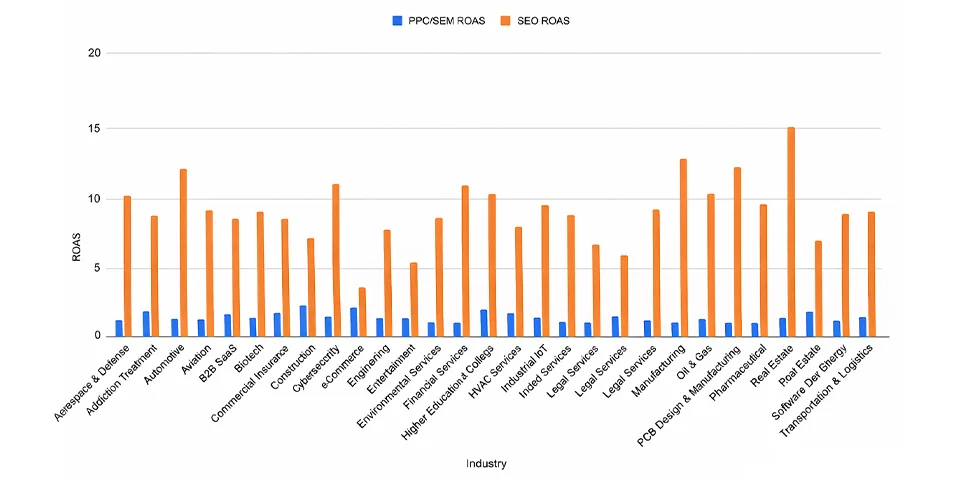
Organic traffic is earned through search relevance and authority. Paid traffic is purchased through auctions. Organic traffic can keep coming after a page ranks, while PPC traffic depends on active budget.
BrightEdge’s widely cited research found organic search accounted for 53% of trackable website traffic, with organic and paid search together making up 68%. This remains an important benchmark, even though AI Overviews and zero-click behavior have changed how much traffic rankings produce in some categories.
PPC traffic is more controllable. A campaign can target a location, keyword, audience, and time window precisely. That makes paid search powerful when a business needs demand now.
Cost Structure and Budget Control
Costs differ sharply between SEO and PPC in 2026. Auction pressure is rising. AI-driven efficiencies also shape results.
SEO needs upfront investment. That includes content creation, technical optimizations, tools, and expertise. Acquisition costs can decline over time as rankings stabilize and traffic compounds. Industry data reaffirm that SEO leads close at ~14.6-15%. That is significantly higher than outbound’s 1.7-2%. This supports stronger long-term efficiency.
PPC has ongoing and variable costs. Competition matters. Quality Score matters. Industry matters too. 2026 benchmarks indicate an average search CPC of $2.69–$5.26. Display is ~$0.63–$1. Competitive sectors like legal reach $6.75–$50+. PPC gives granular budget control. Long-term reliance can still increase costs. Many industries see YoY inflation of 7–18%. Without SEO to offset, margins compress.
At COLAB DXB, we guide UAE clients to balance both. Use PPC for controlled spend during peak periods. Use SEO to reduce overall acquisition costs and protect margins in highly competitive markets such as real estate.
Time to Results Comparison

PPC wins speed. SEO wins endurance.
A paid campaign can start generating clicks immediately after launch. SEO needs search engines to crawl, index, evaluate, and rank improvements. New domains, weak sites, and competitive industries usually take longer.
The best use of time is often parallel execution. PPC gathers fast data. SEO turns the best-performing topics, objections, and commercial angles into long-term organic assets.
Click-Through Behavior and User Trust
Trust and click behavior differ between organic and paid. AI Overviews amplify this gap in 2026.
Organic results capture 65–70% of total clicks in traditional SERPs. The top position averages 27.6–39.8% CTR. Users often view organic listings as more authoritative. This is common for research and comparison queries.
PPC performs best on transactional, high-intent searches. CTRs are usually lower. Search ads typically have a CTR of 1.2–6.66%. AI Overviews reduce clicks in both channels. Organic CTR drops 34–61% (for example, from 1.76% to 0.61% on affected queries). Paid CTR can decline by up to 68%, according to studies by Seer Interactive and Ahrefs.
This is why integrated planning matters. PPC captures immediate high-intent demand. SEO builds trust and helps counter AI-driven click losses. At COLAB DXB, this dual approach has helped UAE clients sustain engagement as SERPs evolve.
Visibility and SERP Placement Differences

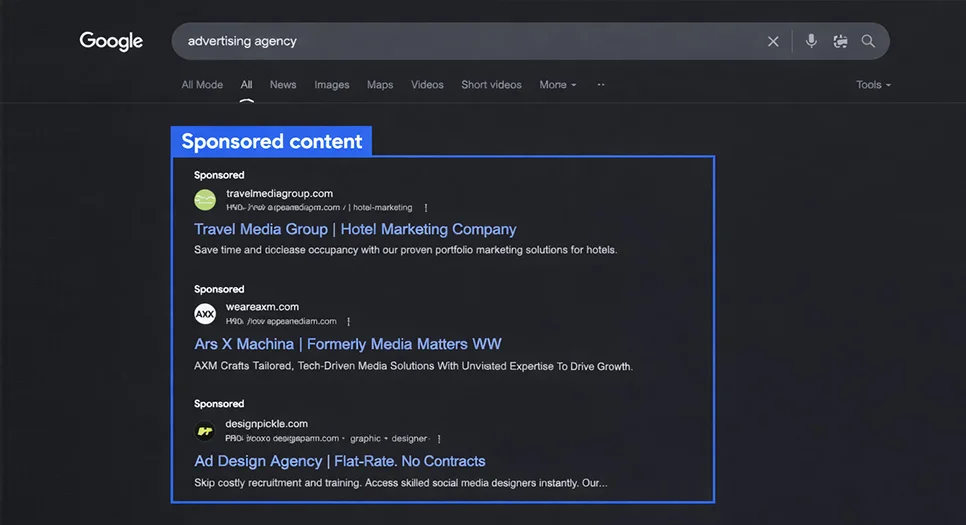
PPC ads can appear above organic results. They can also appear below organic listings. They can also show in shopping and display placements. SEO listings sit in the main organic results area. They now compete more with SERP features. These include featured snippets, FAQs, and People Also Ask boxes. Google reports that over 50 percent of searches now end without a click. SERP features often answer the query directly.
This shift makes SEO PPC integration more important. PPC provides guaranteed visibility for priority keywords. SEO captures informational demand and long-tail searches. Competitor strategies often aim to hold multiple SERP positions simultaneously to increase share of voice.
Control, Flexibility, and Scalability
PPC offers immediate control. You can change bids fast. You can test copy fast. You can scale fast. This helps with experiments and seasonal pushes. SEO is less flexible in the short term. It scales better over time. Strong rankings can grow traffic without linear cost increases.
Top programs avoid silos. PPC brings precision and speed. SEO brings compounding growth, trust, and efficiency. At COLAB DXB, this blended approach has driven a 45% increase in acquisition for UAE clients. It also supports a higher lifetime value without overlap.
Pros and Cons of SEO

Advantages of SEO
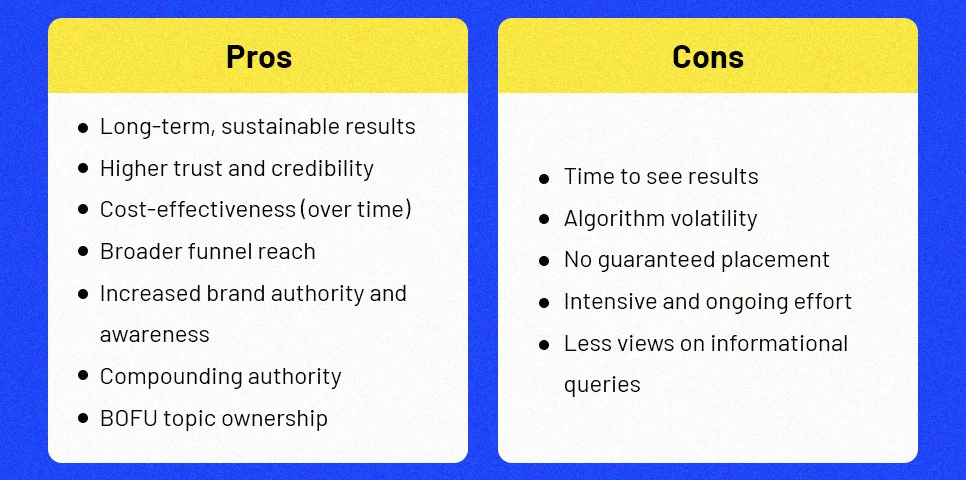
SEO builds a compounding acquisition channel. Once pages gain visibility, they can keep generating qualified visits. You do not pay for every click. Cost efficiency improves over time.
SEO also builds trust. Many searchers still view organic listings as “earned” results. This is common for research-heavy queries. People compare options before buying.
SEO supports the full funnel. Top-of-funnel pages capture discovery searches. Mid-funnel pages handle comparisons and objections. Bottom-funnel pages target high-intent searches like “pricing,” “near me,” or “best.”
When executed well, SEO becomes an always-on demand engine. It can improve lead quality through intent matching and content depth. It can build brand authority through consistent topical coverage. It can increase conversion rates by aligning pages with real search tasks. It can also improve paid efficiency by lowering dependency on rising PPC costs.
Click potential at the top is a major advantage. One large CTR study found the #1 organic result averages 27.6% CTR across queries. Ranking gains can shift the pipeline without changing ad budgets.
Limitations and Challenges of SEO
SEO is not immediate. It requires content planning, technical work, internal coordination, and ongoing updates. Businesses often underestimate the operational work required.
Common blockers include thin service pages, weak technical health, duplicated location pages, poor internal linking, outdated content, slow templates, missing schema, weak local signals, and no clear conversion path.
Search pages are also crowded. Even a high organic ranking may compete with ads, AI Overviews, local packs, videos, shopping results, or answer boxes.
SEO Risks and Algorithm Changes

SEO carries volatility. Google updates can change rankings, traffic, and click behavior. In 2026 alone, Google reported multiple ranking-related updates, including March and May core updates and a June spam update.
Risk is lower when SEO focuses on durable quality instead of loopholes. Pages should be useful, accurate, updated, technically accessible, and written for real users. Tactics built on thin automation, copied content, fake authority, or manipulative links create avoidable exposure.
Long-Term Value of SEO
SEO becomes more valuable when it is treated as infrastructure, not as a campaign. A strong organic foundation supports product launches, local expansion, paid media efficiency, brand trust, and lower blended acquisition costs.
The long-term benefit is leverage. PPC requires ongoing spend for every new wave of traffic. SEO can continue to produce visits and leads after the original investment, provided the content stays relevant and the site remains healthy.
Pros and Cons of PPC

Advantages of PPC Advertising
PPC is valuable when timing matters. A new website can appear for commercial searches before it earns organic authority. A seasonal promotion can run during a narrow buying window. A B2B company can push demo demand during a quarterly pipeline gap.
PPC also creates testing data. It can show which keywords convert, which locations respond, which messages get clicks, which offers create leads, and which landing pages waste budget.
WordStream’s 2026 benchmark data gives advertisers a reference point for search campaign performance, including average CTR, CPC, conversion rate, and cost per lead, but these numbers should be used as planning benchmarks rather than promises.
Limitations and Challenges of PPC

PPC does not compound by itself. A campaign history may improve performance, but traffic generally depends on continuous spend.
It also requires active management. Neglect can lead to wasted spend through irrelevant queries, weak match types, poor bidding, low-quality creative, broken tracking, slow landing pages, and budget leakage into low-intent segments.
Automation can help, but it does not remove strategy. If conversion tracking is wrong, automated bidding may optimize toward bad signals.
Cost Inflation and Competitive Bidding

Paid search is an auction. Costs rise as competition increases. Costs also rise as more advertisers bid on the same bottom-funnel terms.
Tinuiti’s advertiser data indicates that CPC growth has slowed. It declined from 12% year over year in Q2 2024 to 8% year over year in Q3 2024. Pricing pressure still persists. It has cooled, but it remains.
Market-level volatility also matters. Skai’s Q4 2024 trends summary notes ad prices across major channels stabilized after prolonged volatility. That affects planning and forecasting. Stabilization does not mean cheap clicks. It means the new baseline is more predictable. In many industries, it is higher than it was a few years ago.
This is where pay-per-click price becomes a strategic variable, not just a metric. If you bid on crowded keywords without a differentiated offer, CPC inflation will hit faster. Weak landing pages accelerate the problem. Loose segmentation accelerates it too.
The solution is rarely “bid lower.” The solution is improving Quality Score signals. It is a tightening intent. It is upgrading creatives. It is increasing the conversion rate. That is how you can afford the auction and still make a profit.
PPC Sustainability Over Time
PPC is sustainable when it is treated as a performance system. It cannot be treated as a traffic faucet. Long-term winners maintain durable account hygiene. They refresh ads continuously. They invest in landing page speed, UX, and conversion design.
They also diversify within paid search. They pair non-brand demand capture with brand protection. They segment by intent. They use remarketing lists responsibly. They align ad groups with the same message hierarchy that users see on the page.
Sustainability improves when PPC and SEO are integrated intentionally. PPC identifies which terms convert. It also shows which pages need stronger on-site SEO to improve search results. SEO reduces reliance on expensive terms. It ranks for informational queries that feed remarketing and nurture. That is the practical value of a combined PPC and SEO strategy. You get immediate coverage now. You get compounding demand capture later.
Long-term PPC stability depends on measurement and adaptability. Privacy changes reshape tracking. Platform automation shifts how campaigns run. New campaign types change what “good” looks like each year. Teams that track clean conversion events perform better. Teams that use consistent PPC reporting metrics perform better. Teams that optimize toward lifetime value, not cheap clicks, keep PPC profitable even as competition rises.

SEO vs PPC Cost Comparison

How SEO Costs Are Structured
SEO costs are usually fixed and operational, not “per click.” Most businesses pay for a monthly retainer (strategy, technical fixes, content, links, reporting) or a project-based scope (audit, migration, local SEO setup, content hub build).
Typical cost drivers:
- SEO foundations: technical SEO elements (indexing, site architecture, Core Web Vitals, structured data, internal linking).
- On-site SEO elements that influence search results: titles, headings, internal anchors, content structure, entity coverage, and topical clustering.
- Content optimization: content creation, refresh cycles, and SEO blog tips to keep pages ranking.
- Off-page SEO factors: digital PR, citations, and link acquisition.
- SEO reporting metrics: dashboards, attribution, assisted conversions, and lead quality.
Industry pricing data shows why “SEO cost” varies so much. In Ahrefs’ SEO pricing survey (439 respondents), agencies and consultants reported a wide spread in monthly retainers and hourly rates, with pricing strongly tied to competition, scope, and deliverable depth.
How PPC Costs Are Structured

PPC costs are variable and auction-driven. You control budgets, but your actual costs are driven by competition, intent, quality, and bid strategy.
Core cost components:
- Media spend: what you pay for platforms (Google Ads, Microsoft Ads, Meta, etc.).
- Management fees: campaign build, keyword strategy, creative, landing pages, tracking, and optimization.
- Testing budget: experimentation across audiences, ads, offers, and pages.
- Tooling and tracking: call tracking, offline conversion imports, analytics, and feed management.
In paid search, what you pay is determined by auction mechanics such as Ad Rank and ad quality. Google explains that Ad Rank is calculated using multiple factors, including competition, search context, and ad quality signals.
Cost Per Click vs Cost Per Acquisition
CPC is the price paid per click. CPA (or cost per lead, cost per sale) is what it costs to generate the outcome that matters.
Why the gap matters in SEO vs PPC:
- PPC can have a “good” CPC but a weak CPA if the landing page, offer, or funnel is misaligned.
- SEO can have a “high” cost per month but a strong CPA over time because incremental clicks do not increase your bill.
Benchmarks help set expectations, not guarantees. Recent industry benchmark roundups show that CPC and conversion rates vary dramatically by vertical, which is why “pay per click price” depends more on category and intent than on ad format alone.
Long-Term Cost Efficiency Comparison
This is where PPC vs SEO becomes a finance question, not just a channel preference.
- SEO compounds. When your SEO foundations are solid and content ranks, every additional organic click does not add a direct marginal cost. Your main ongoing cost is maintaining quality, expanding coverage, and defending rankings.
- PPC scales fast, but it can become expensive to sustain. The moment you pause, traffic typically drops, especially for non-brand queries. This is why many teams use PPC and SEO together to balance compounding visibility with immediate demand capture.
For competitive categories, the most efficient long-term strategy is often to integrate PPC and SEO. PPC validates messaging, offers, and “what SEO keywords to use” by showing real conversion data quickly. SEO then scales the best-performing topics and landing page angles into durable organic assets.
Budget Predictability and Spend Control

PPC feels more controllable because you can set daily caps and pause instantly. The trade-off is price volatility, auction shifts, and creative fatigue.
SEO feels less immediate because results lag, but budgets are often more predictable month-to-month since the work is planned. The trade-off is that rankings can change with algorithm updates, competitor activity, and SERP layout shifts.
A practical way to choose:
- If you need demand now, launches, promotions, new offers, pipeline gaps, PPC wins on speed.
- If you want durable growth, lower marginal acquisition costs over time, and category authority, SEO delivers compounding value.
- If you want both, build a combined SEO PPC marketing plan. Use PPC for controlled testing and coverage. Use SEO to capture scalable demand and drive long-term efficiency.
ROI Comparison. SEO vs PPC

Measuring ROI in SEO Campaigns

Measuring ROI in SEO focuses on long-term value creation rather than immediate spend-to-click return. SEO ROI is calculated by comparing organic-driven revenue, leads, or conversions against total SEO investment over time. This includes costs tied to SEO foundations, technical fixes, content production, off-page SEO factors, and ongoing optimization.
Key SEO reporting metrics used to evaluate ROI include organic traffic growth, keyword visibility, assisted conversions, lead quality, conversion rate from organic sessions, and revenue per landing page. Because SEO traffic does not incur a cost per click, ROI typically improves as rankings stabilize and content continues to attract demand without incremental spend. This keeps SEO attractive for brands focused on sustainability, authority, and scalability.
Measuring ROI in PPC Campaigns
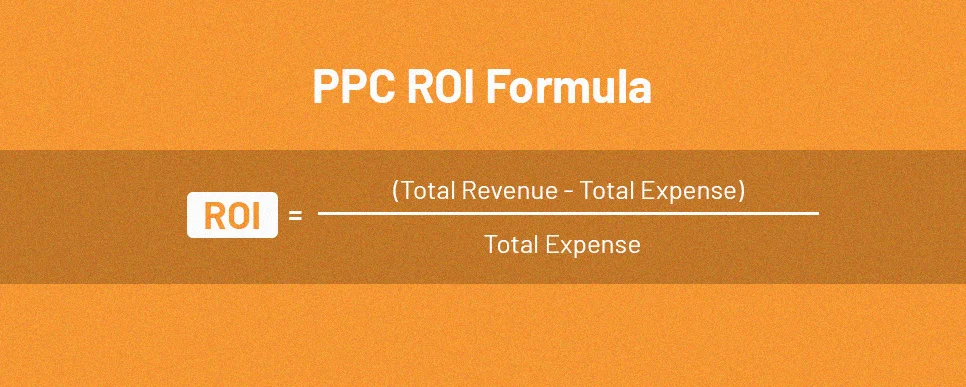
PPC ROI is more immediate and directly measurable. It is calculated by comparing revenue or conversions generated from paid traffic against total ad spend plus management costs. Metrics such as cost per acquisition, return on ad spend, impression share, and conversion value are central to PPC ROI analysis.
Paid media and PPC campaign strategy allows teams to isolate performance quickly by keyword, audience, creative, and landing page. This makes PPC ROI easier to measure in the short term, especially for e-commerce, SaaS trials, and lead generation. However, PPC ROI can fluctuate due to bid competition, cost inflation, and changes in Quality Score, which means results must be continuously optimized to remain profitable.
Short-Term ROI vs Long-Term ROI
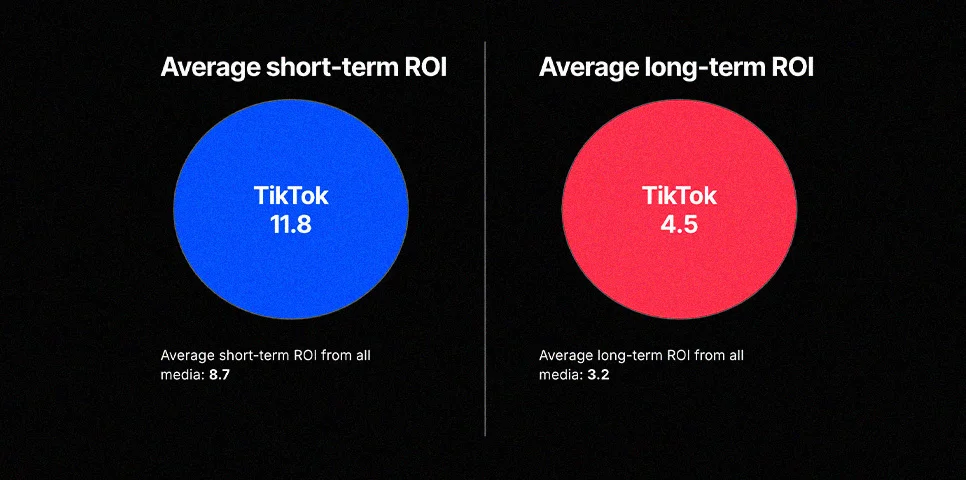
PPC can produce short-term ROI when campaigns launch well and the offer converts. SEO often produces stronger long-term ROI after the initial investment period.
The tradeoff is timing. A business that needs leads this month may not be able to rely only on SEO. A business that wants lower acquisition costs over the next two years cannot depend only on PPC.
Attribution Challenges in SEO and PPC
Attribution is difficult because buyers use multiple touchpoints. SEO may introduce the brand. PPC may bring the user back. Email may close the deal. A sales call may influence the final decision.
Last-click reporting often undervalues SEO and overvalues channels that appear at the end of the path. Better reporting looks at assisted conversions, landing page contribution, first-touch sources, branded search growth, and revenue quality.
Lifetime Value Considerations
The best channel is not always the one with the lowest first conversion cost. A higher-cost lead can be better if it becomes a larger or longer-retained customer.
SEO often attracts research-heavy users who may take longer to convert but arrive with more context. PPC often captures users closer to action. Both can produce high lifetime value when the targeting, message, offer, and follow-up match the buyer’s stage.
SEO vs PPC Performance Metrics

Tracking the right performance metrics is more crucial than ever in 2026, as AI Overviews and zero-click searches reshape how value flows from search. SEO delivers sustained organic reach, topical authority, and high-quality engagement, while PPC provides precise, immediate, and conversion-focused results. With organic CTRs dropping significantly (often 34–61% when AI Overviews appear) and zero-click searches hovering around 58–60%, marketers must blend traditional metrics with assisted conversions, AI visibility signals, and cross-channel insights.
The best approach? Integrate SEO and PPC data into unified tools to identify where combined efforts most effectively lift ROI. Below are the essential metrics to track, updated with 2026 benchmarks and real-world context.
| KPI Category | SEO Metrics to Track | What It Tells You | Common Tools | PPC Metrics to Track | What It Tells You | Common Tools |
| Visibility | Organic Impressions | How often your pages appear in search results | Google Search Console | Impressions | How often your ads appear | Google Ads |
| Traffic | Organic Clicks | How many visits is organic search driving | Google Search Console, GA4 | Clicks | How many visits are paid ads driving | Google Ads, GA4 |
| Relevance | CTR (Organic) | How compelling your titles, snippets, and intent match are | Google Search Console | CTR (Paid) | How relevant ad copy and targeting are | Google Ads |
| Positioning | Keyword Rankings | Where you rank for target and long tail keywords | SEMrush, Ahrefs | Impression Share | How much available visibility you capture vs competitors | Google Ads |
| Share of Voice | Search Visibility Score | Overall keyword set visibility across tracked terms | SEMrush, Ahrefs | Top of Page Rate / Abs. Top | How often do you show in premium positions | Google Ads |
| Engagement Quality | Pages per Session, Bounce Rate, Avg Session Duration | Whether organic traffic matches intent and content experience | GA4 | Landing Page Engagement | Whether clicks are turning into engaged sessions | GA4 |
| Conversions | Organic Conversions | Leads, signups, or revenue attributed to organic sessions | GA4 | Conversions | Leads, purchases, or key actions from paid | Google Ads, GA4 |
| Funnel Impact | Assisted Organic Conversions | SEO influences earlier in the journey, not just the last click | GA4 | Assisted Conversions | Paid influence across multi-touch journeys | GA4 |
| Efficiency | Cost per Organic Lead (Blended) | Long-term acquisition efficiency when costs are allocated | GA4 + cost model | CPC | Average cost per click | Google Ads |
| Profitability | Organic ROI (Over Time) | ROI trends as SEO compounds and costs stabilize | Finance + analytics | CPA | Cost to acquire one conversion | Google Ads |
| Revenue Impact | Organic Revenue | Sales tied to organic sessions for e-commerce | GA4 | ROAS | Revenue per dollar spent on ads | Google Ads |
| Platform Health | Index Coverage, Crawl Errors | Technical health affecting visibility and stability | Google Search Console | Quality Score | Relevance and expected performance that affects CPC and rank | Google Ads |
Key SEO Metrics to Track

SEO success can’t be defined by a single number. Modern SEO performance measurement includes a variety of KPIs that reflect visibility, relevance, and user engagement:
- Organic Impressions: How often your pages appear in search results (data available in Google Search Console).
- Organic Clicks & CTR: The percentage of users who click through from search results. High CTR often correlates with strong title/meta optimization.
- Keyword Rankings: Visibility for target keywords, including long-tail terms like SEO strategies or top search engine optimization phrases.
- Search Visibility Score: Aggregated measure of how visible a domain is across a set of tracked keywords.
- Traffic Quality: Engagement metrics such as pages/session, bounce rate, and average session duration.
- Conversions Attributed to Organic: Lead form submissions, sign-ups, or ecommerce revenue tied to organic sessions.
- Assisted Organic Conversions: Recognizes SEO’s role earlier in the funnel, even if it isn’t the final click.
According to BrightEdge, organic search accounts for over 53% of all trackable website traffic, underscoring the importance of tracking organic performance across multiple indicators rather than focusing solely on ranking.
Key PPC Metrics to Track
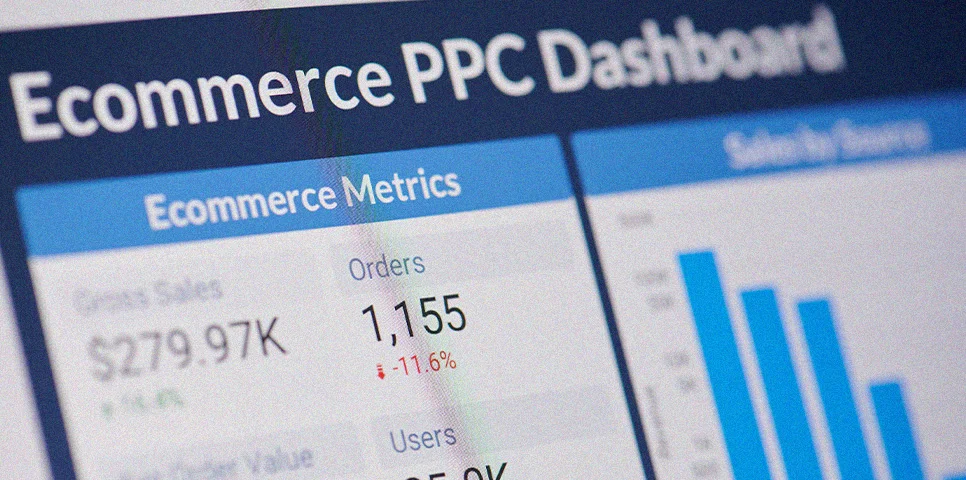
PPC performance is inherently tied to cost, visibility, and direct conversion outcomes. Key metrics include:
- Impressions: Number of times your ad is shown.
- Clicks: Visits driven by paid ads.
- Click-Through Rate (CTR): Clicks divided by impressions. High CTR usually indicates relevant ad copy and keyword alignment.
- Cost Per Click (CPC): Average price paid per click.
- Cost Per Acquisition (CPA): What it costs to generate a conversion.
- Return on Ad Spend (ROAS): Revenue generated per dollar spent on PPC.
- Quality Score: Google’s measure of relevance tied to expected CTR, ad relevance, and landing page quality.
- Impression Share: Percentage of available impressions captured by your campaign, reflecting competitive strength.
PPC’s advantage is precision tracking; you can tie spend directly to clicks and conversions with real-time dashboards. This makes PPC reporting and optimization highly actionable.
Conversion Rate Differences
PPC conversion rates often look stronger on bottom-funnel searches because users are closer to action. SEO conversion rates vary by page type. When either SEO or PPC attracts relevant traffic but produces too few leads or sales, conversion rate optimization services can identify friction through behavioral analysis, heatmaps, funnel reviews, form evaluation, user research, and controlled testing. An educational article may not convert immediately, while a service page or local landing page may generate direct inquiries.
The better comparison is intent-matched. Compare PPC service-page traffic against SEO service-page traffic. Compare informational SEO traffic against awareness or remarketing campaigns.
Traffic Quality and Intent Comparison

Traffic quality highlights a clear divergence:
- PPC traffic is tightly targeted via match types, audiences, and remarketing, designed to minimize waste and capture bottom-funnel intent quickly.
- SEO traffic spans the full funnel: high-intent commercial queries plus broader informational discovery. This makes it ideal for nurturing and retargeting, but AI Overviews reduce clicks on informational content.
Multi-touch journeys are the norm: users frequently engage with organic content for education/research, then convert via paid ads later. GA4 data-driven attribution shows that SEO often drives valuable assisted conversions, underscoring the importance of integrated tracking.
Analytics and Reporting Tools
Effective measurement requires integrated tools to avoid silos:
- Google Analytics 4 (GA4) Tracks traffic sources, events, conversions, funnels, and cross-channel paths. Use data-driven attribution for nuanced SEO/PPC insights.
- Google Search Console: organic impressions, queries, CTR, and AI Overview visibility signals.
- Google Ads Interface, Real-time PPC metrics (spend, CPC, CPA, ROAS, auction insights).
- Looker Studio Combines SEO + PPC data into custom, shareable dashboards.
- Rank Tracking & AI Tools: Ahrefs, SEMrush, Moz for rankings and emerging AI citation tracking.
Pro tip for 2026: Prioritize GA4’s pathing exploration, assisted conversions, and cross-device reporting to understand full journeys. At COLAB DXB, we blend these tools for UAE clients, revealing how SEO nurtures traffic that PPC converts, often increasing overall ROI by 25–45%.
By monitoring these metrics with a full-funnel, AI-aware mindset, you can optimize both channels effectively and build resilience against ongoing search changes. Need help setting up integrated tracking? Reach out, we specialize in data-driven SEO & PPC strategies.

When SEO Is the Better Strategy
SEO becomes the stronger choice when businesses prioritize sustainable growth, credibility, and cost efficiency over time. In many markets, SEO and paid search are complementary, but there are clear scenarios where SEO delivers superior outcomes compared with PPC.
Businesses Focused on Long-Term Growth

SEO fits businesses that want category visibility beyond the next campaign window. It supports companies building brand recognition, service authority, local presence, and content libraries that answer buyer questions.
A company that wants to become the known choice for “commercial fit-out company Dubai,” “B2B SaaS onboarding software,” or “best SEO agency for real estate” needs more than ads. It needs pages, proof, topical depth, and authority.
Content-Driven and Authority-Based Models
SEO is especially strong for industries where buyers research before contacting sales. SaaS, legal, healthcare, finance, real estate, education, and B2B services often require detailed explanation.
Content can address questions that ads cannot. It can compare options, explain risks, define cost factors, outline implementation, and help buyers justify decisions internally.
Limited Ad Budgets
SEO may be more practical when ad budgets are limited and CPCs are high. A small business may not afford to compete on every commercial keyword, but it can still build local pages, answer niche questions, earn reviews, and improve technical performance.
SEO still costs money, but it can create assets that continue working after publication.
Competitive CPC Markets
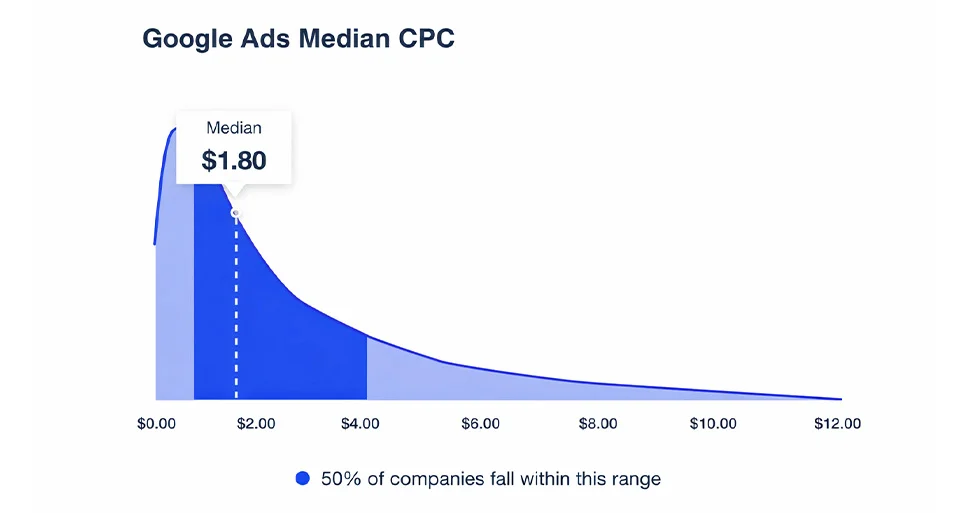
In industries with aggressive bidding, PPC costs can escalate quickly, reducing profitability. Markets such as legal, finance, insurance, and enterprise software frequently see CPCs climb year over year. In these environments, SEO provides visibility without paying for every click. Brands that rank organically for competitive terms often secure a consistent share of traffic, while competitors struggle with rising costs, reinforcing the SEO advantages and disadvantages comparison in favor of SEO.
Brand Trust and Organic Visibility Goals

User behavior consistently shows greater trust in organic results than in ads, especially for complex or high-consideration purchases. SEO strengthens credibility by placing brands within editorial-style content rather than promotional placements. For companies focused on reputation, trust, and long-term brand equity, organic rankings support a stronger perception than ads alone. This is why many businesses integrate PPC and SEO, using SEO to build trust while PPC supports targeted acquisition.
When PPC Is the Better Strategy
New Websites and Product Launches
PPC is the fastest way to generate qualified visibility when a new website has no ranking history, no authority signals, and a limited organic footprint. Instead of waiting months for indexing momentum and link growth, paid search puts you on commercial SERPs immediately, which is ideal for new product launches, new service rollouts, and new market entry. It also helps you validate demand before investing heavily in long-form content and SEO foundations.
From a performance standpoint, search ads can produce measurable results quickly because you control keywords, messaging, and landing page alignment. Benchmarks also show why PPC is often the “launch lever.” Across industries, Google Ads search campaigns average a 6.96% conversion rate and 3.17% CTR, which is strong for early-stage testing when you need data fast.
Time-Sensitive Campaigns and Promotions
PPC is ideal for deadlines. A Ramadan offer, event registration, limited inventory push, real estate launch, or end-of-quarter B2B promotion cannot wait for organic rankings.
Paid search gives control over launch timing, location targeting, budget pacing, and message rotation.
High-Intent Commercial Keywords

PPC is powerful for queries that signal immediate action. Keywords containing “buy,” “book,” “quote,” “pricing,” “demo,” “near me,” or competitor names usually deserve paid testing.
Even when SEO is the long-term goal, PPC can capture demand today while organic pages mature.
Testing Offers and Landing Pages
PPC is the fastest way to test an offer. You can compare different headlines, lead magnets, pricing frames, calls to action, form lengths, and proof sections.
The winning insights should not stay inside Google Ads. They should inform SEO titles, meta descriptions, service pages, FAQs, and content strategy.
Precise Audience Targeting Needs

PPC is better when audience control matters. Advertisers can target by geography, device, schedule, audience list, intent, and remarketing behavior.
For B2B campaigns, this can help focus spend on specific cities, industries, job-related audiences, or users who already visited key pages.
SEO vs PPC for Different Business Types
Choosing between SEO and PPC depends heavily on business size, revenue model, sales cycle, and growth timelines. While both channels support search engine optimization and paid search goals, their effectiveness varies by context. Below is a practical breakdown of how SEO vs PPC performs across common business types, based on verified industry patterns and competitor benchmarks.
Small Businesses
Small businesses often need both short-term leads and long-term cost control. PPC can generate immediate calls or form fills. SEO can build map visibility, service-page rankings, reviews, and local authority.
For companies with limited resources, small business SEO services can prioritize commercially important pages, local visibility, technical fixes, and realistic keyword opportunities before expanding into larger content programs.
A small business should usually start with high-intent PPC and local SEO basics rather than broad awareness campaigns.
Enterprise Brands
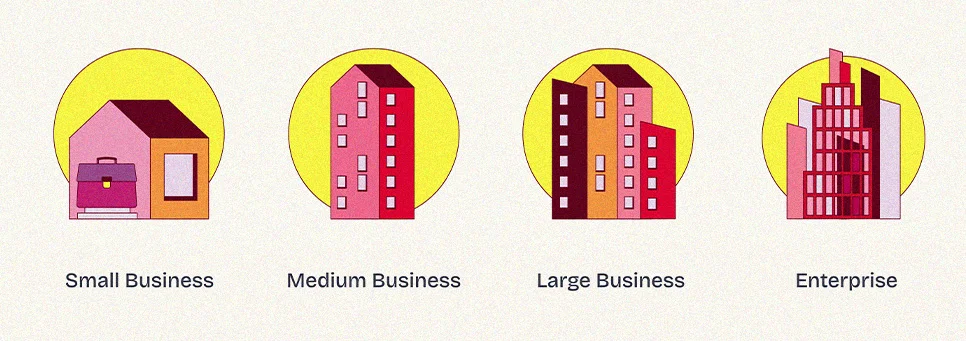
Enterprise brands often use SEO and PPC at scale. SEO handles technical depth, content coverage, governance, and authority. PPC protects brand terms, supports product launches, and tests messaging across markets.
For large sites, SEO can unlock major gains through template improvements, internal linking, structured data, crawl management, and content consolidation.
E-commerce Businesses

E-commerce brands need SEO for category pages, product pages, buying guides, comparison content, and schema. An online store also needs ecommerce SEO services that address product indexing, collection architecture, faceted navigation, duplicate URLs, product schema, category content, internal linking, and the search path from discovery to checkout. PPC supports shopping ads, promotional pushes, remarketing, and high-intent product searches.
SEO reduces dependency on paid traffic during non-promotion periods. PPC helps move inventory and capture demand during peak buying windows.
B2B Companies

B2B companies often benefit from SEO because buyers research heavily before speaking with sales. Organic content can support problem education, vendor comparison, ROI justification, and internal buy-in.
PPC supports demos, retargeting, competitor campaigns, and high-intent commercial searches. For longer sales cycles, the best results come from aligning SEO content with PPC follow-up.
Local vs National Campaigns
Local campaigns need map visibility, reviews, service-area pages, localized landing pages, and call-focused PPC. National campaigns need broader content architecture, authority-building, scalable landing pages, and careful paid budget segmentation.
Businesses serving defined neighborhoods, districts, may benefit from local SEO that improve location pages, Google Business Profile signals, local citations, map visibility, reviews, and geographically relevant search content.
In local markets, PPC can quickly fill lead gaps. SEO builds lasting presence in maps and organic results.
SEO vs PPC Across the Marketing Funnel
SEO and PPC play different but complementary roles across the marketing funnel. Understanding how search engine optimization and paid search perform at each stage helps businesses design a full-funnel strategy that captures demand early, nurtures intent, and converts efficiently. Competitor analyses from leading SEO vs PPC guides consistently show that performance improves when both channels are aligned with funnel intent rather than used in isolation.
Top-of-Funnel Awareness
SEO is usually stronger for awareness because it can answer broad questions without paying for every visitor. Educational articles, explainers, comparison guides, and glossary pages can introduce the brand early.
PPC can support awareness, but broad paid campaigns often need careful budget control because intent may be weak.
Mid-Funnel Consideration
SEO and PPC both matter in the consideration stage. Users compare providers, pricing, features, locations, reviews, and alternatives.
SEO can provide comparison content and detailed service pages. PPC can target competitor searches, retarget previous visitors, and promote decision-focused landing pages.
Bottom-Funnel Conversions
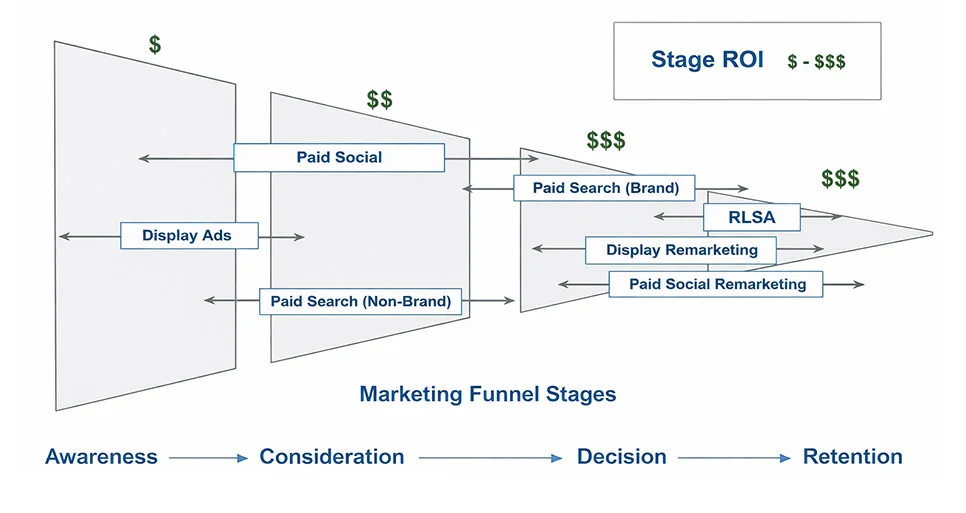
PPC is often strongest at the bottom of the funnel because it can target direct commercial intent and route users to conversion-focused pages.
SEO still matters here. Ranking for pricing, quote, consultation, demo, location, and service terms can reduce paid dependency and strengthen trust.
Retargeting and Remarketing Roles
Remarketing is where PPC clearly dominates. Paid platforms enable brands to re-engage users who previously visited key pages, abandoned carts, or interacted with content. This capability is not natively available through SEO alone.
That said, SEO fuels remarketing pools by driving initial traffic at scale. Organic visits expand audience lists, which PPC campaigns can then retarget across search, display, video, and social platforms. Industry studies consistently show that remarketing campaigns deliver higher conversion rates and lower cost per acquisition compared to first-touch campaigns.
Full-Funnel Search Strategy
A full-funnel strategy uses SEO to build discovery and trust, PPC to capture immediate demand, and remarketing to reconnect with users who are not ready yet.
The strongest programs share search terms, landing page insights, conversion data, and content performance across both channels.
Combining SEO and PPC for Maximum Impact

SEO and PPC deliver the strongest results when they are planned as a unified search strategy rather than isolated channels. Competitive analyses of leading SEO vs. PPC studies consistently show higher visibility, stronger conversion performance, and clearer attribution when organic and paid search work together across the funnel.
A unified search program should connect PPC search-term reports, organic query data, landing-page performance, conversion quality, content priorities, and budget decisions. This prevents separate teams from pursuing conflicting keywords or measuring success through disconnected reporting.
Why SEO and PPC Work Better Together
PPC brings speed. SEO brings compounding value. Together, they reduce blind spots.
Google’s research on search ads pause studies found that 89% of ad clicks were incremental and not replaced by organic clicks when ads were paused, though advertisers should still test incrementality in their own accounts because results vary by brand and query.
Using PPC Data to Improve SEO
PPC campaigns generate fast, statistically significant data that can guide SEO decisions. High-converting paid keywords help identify which terms deserve long-term organic investment. Ad copy performance reveals messaging that resonates with users, which can be applied to SEO titles, meta descriptions, and content structure. PPC landing page data also highlights which layouts, CTAs, and value propositions drive conversions, improving on-site SEO optimization and content alignment.
Using SEO Data to Improve PPC
SEO analytics provide deep insight into user behavior, content performance, and search intent trends. Organic keyword data highlights long-tail opportunities that can reduce PPC costs by targeting more qualified traffic. Pages with strong organic engagement and conversion rates often perform well as PPC landing pages, lowering cost per acquisition. SEO reporting metrics such as bounce rate, dwell time, and assisted conversions help refine paid search targeting and bidding strategies.
SERP Dominance with Dual Visibility
Appearing in both paid and organic results can increase brand presence and reduce competitor visibility. This is especially useful for branded terms, competitive service terms, and high-intent searches.
Dual visibility is not always necessary for every keyword. It should be used where incremental coverage, trust, or competitor defense justifies the spend.
Budget Allocation Between SEO and PPC

Budget allocation should reflect stage and goal. A new company may lean more heavily into PPC while building SEO. A mature brand may shift more toward SEO while keeping PPC for bottom-funnel capture, retargeting, and testing.
A practical model is to review the budget monthly by pipeline quality, not just traffic.
Competitive Industries. SEO vs PPC: Where Stakes Are Higher
In highly competitive industries such as SaaS, legal services, finance, ecommerce, healthcare, and enterprise B2B, the SEO vs PPC decision becomes more complex. Demand is high, auctions are aggressive, and organic rankings take sustained work. For Dubai real estate, CPCs typically range from AED 10 to AED 20 on competitive terms and can climb higher for premium queries. In our Dubai real estate campaigns, hybrid SEO plus PPC plans have delivered about 25% ROI lifts by shifting mid-funnel demand to SEO while keeping PPC focused on bottom-funnel capture.

High-Competition Keywords
High-competition keywords usually have strong commercial intent. Examples include legal services, real estate, finance, enterprise software, healthcare, and agency services.
PPC can buy immediate presence, but clicks can be expensive. SEO can create durable visibility, but the path requires stronger content, technical quality, and authority.
CPC Inflation and Organic Difficulty
When competitors bid aggressively, CPCs rise. When competitors publish better pages and earn stronger links, organic difficulty rises.
The smartest response is channel specialization. Use PPC where immediate conversion intent is highest. Use SEO where content can educate, compare, and build demand before competitors get the click.
Defensive Search Strategies

Defensive search protects branded and high-value demand. PPC can defend brand terms if competitors bid on them. SEO can strengthen branded results through service pages, reviews, profiles, FAQs, and knowledge signals.
A defensive strategy is especially important when SERPs are crowded with directories, aggregators, marketplaces, and competitors.
Brand Bidding and Organic Protection
Brand bidding can be useful even when a company ranks first organically. It controls messaging, protects top placement, supports promotions, and reduces competitor intrusion.
However, brand bidding should be measured carefully. Some established brands may find that certain branded clicks would have happened organically. Incrementality testing can prevent overspending.
Advanced SEO vs PPC Strategy Considerations

As search marketing matures, the SEO vs PPC conversation shifts from basic channel comparison to advanced execution. Competitive brands now focus on data integration, attribution accuracy, automation, and privacy resilience to maximize performance across organic and paid search. Leading competitors consistently emphasize that long-term success comes from treating SEO and PPC as interconnected systems, not isolated tactics.
Data Integration and Cross-Channel Insights
SEO and PPC should share dashboards. Google Ads, Search Console, GA4, CRM data, call tracking, and revenue reporting should be reviewed together.
Google Ads includes a paid and organic report that helps advertisers understand how paid listings and organic results appear for search terms, supporting more informed search planning.
Attribution Models and Assisted Conversions
Last-click attribution can distort budget decisions. SEO often supports early research. PPC often appears later in the conversion path.
Data-driven attribution, assisted conversion reports, CRM attribution, and call outcome tracking give a more accurate picture of what each channel contributes.
AI, Automation, and Smart Bidding

AI is now embedded in both SEO and PPC workflows. PPC uses machine learning for bidding, targeting, creative combinations, and budget allocation. SEO uses AI-assisted tools for research, content briefs, technical detection, entity analysis, and AI visibility tracking.
Automation should not replace judgment. It should reduce manual load while humans control positioning, offer quality, proof, conversion strategy, and business logic.
Privacy Changes and Tracking Limitations
Privacy changes affect both channels. Consent rules, browser restrictions, third-party cookie limitations, and platform reporting changes make user-level tracking less reliable.
First-party data, clean conversion events, server-side tracking where appropriate, CRM integration, and consent-aware analytics are now essential for serious search programs.
Common Myths About SEO and PPC

Even in 2026, SEO vs. PPC myths still lead teams to make short-term decisions, mixed tracking, and channel silos. Clearing them helps you build a search plan where organic and paid work as one system, with shared landing pages, shared measurement, and clear goals.
SEO Is Free Traffic
SEO does not charge per click, yet it is not free. It takes planning, content production, technical fixes, internal linking, tools, and skilled execution. Ahrefs research found that 96.55% of pages receive no organic traffic, illustrating what happens when sites publish without a strategy and authority-building.
PPC Always Outperforms SEO
PPC can win early because it creates visibility fast. Over longer windows, SEO often outperforms in efficiency and overall impact. A 2026 SEO vs PPC stats review from SagaPixel reports SEO ROI is about 25% higher long-term than PPC. Organic search still drives a large share of trackable traffic. BrightEdge reported 53% of channel share from organic in its channel share research, which supports why SEO continues to pay off when content and technical work remain consistent.
SEO and PPC Compete Against Each Other

SEO and PPC can overlap, but overlap is not always wasteful. In many cases, paid and organic presence increase total visibility and reduce competitor clicks.
The goal is not to avoid overlap completely. The goal is to measure whether overlap adds incremental value.
Paid Ads Hurt Organic Rankings
Paid ads do not directly improve or damage organic rankings. Google’s ad auction and organic ranking systems are separate. PPC can indirectly support SEO through brand awareness, keyword data, and traffic insights, but paying for ads is not a ranking factor.
SEO vs PPC Decision Framework

Choosing between SEO and PPC is rarely a binary decision. High-performing brands evaluate both channels through a structured framework that aligns business objectives, resources, and market conditions. Based on competitor analysis and real campaign data, the most effective SEO and PPC strategies are built around timing, budget efficiency, and long-term scalability. At COLAB DXB, this framework helps businesses in the UAE balance SEO and paid search.
Business Goals and Timeline Assessment
The first step is defining what success looks like and how quickly results are required. PPC is better suited to immediate lead generation, product launches, and time-sensitive campaigns that require visibility within days. SEO supports brand authority, content depth, and sustainable growth. According to HubSpot, SEO-driven leads have a 14.6 percent close rate, compared with 1.7 percent for outbound tactics, underscoring the long-term value of SEO. Businesses with aggressive growth timelines often start with PPC while building SEO foundations in parallel.
Budget and Resource Evaluation

Budget structure plays a critical role in the SEO vs PPC decision. PPC requires continuous spend to maintain traffic, with Google Ads data showing average CPCs increasing year over year in competitive industries. SEO, while slower, compounds over time and reduces dependency on paid clicks. This makes SEO more cost-effective over the long term, especially for businesses with limited monthly ad budgets. COLAB DXB evaluates not just ad spend, but internal resources, content capacity, and technical readiness before recommending an SEO or PPC-heavy approach.
Market Competition Analysis
Competition intensity often determines feasibility. In markets with high CPC inflation, such as legal, real estate, or finance, PPC costs can exceed sustainable acquisition targets. In these cases, SEO provides a stronger path to margin stability. Conversely, if organic rankings are dominated by entrenched competitors with years of authority, PPC can help capture demand while SEO efforts mature. Competitive analysis across keywords, SERP features, and ad density is essential before choosing the channel mix.
Short-Term vs Long-Term Planning
PPC delivers predictable short-term performance but stops the moment budgets pause. SEO requires patience but continues to generate traffic even when spend is reduced. BrightEdge reports that organic search accounts for over 50 percent of total website traffic across industries, underscoring its long-term impact. The most resilient strategies plan PPC for acceleration and testing, while positioning SEO as a long-term growth engine that lowers overall customer acquisition cost over time.
Choosing the Right Mix

A practical mix may look like this:
For a new business: 60–70% PPC, 30–40% SEO foundation.
For a growing business: 50% PPC, 50% SEO and conversion work.
For an established brand: 30–40% PPC, 60–70% SEO, content, and authority.
These are starting points, not rules. The right split should be based on pipeline quality, margin, close rate, lifetime value, and competitive pressure.
Final Verdict. SEO vs PPC

The choice is not SEO or PPC. It is how you combine them for stable growth across awareness, consideration, and purchase intent. SEO compounds, it builds durable visibility, trust, and lower marginal acquisition costs through strong content, technical hygiene, and authority that keeps working after the spend stops. Benchmarks often show SEO ROI in the 500%-1,600% range over a three-year period, depending on industry, execution, and the site’s conversion of organic demand.
PPC wins on speed and control; it puts you in front of high-intent users immediately, and it is measurable down to keyword, audience, and landing page. Recent PPC benchmarks also show a median ROAS of around 3.5:1, with results varying by vertical, funnel stage, and offer quality.
Relying on only one channel limits resilience. In 2026, AI Overviews and shifting SERP layouts can compress informational clicks, while rising CPCs can pressure margins. A stronger approach is to build SEO foundations first. Then layer in PPC to capture bottom-funnel demand, test messaging quickly, and support remarketing. Over time, as SEO coverage expands and conversion paths improve, you can reduce reliance on paid channels without losing pipeline.
For UAE brands competing in real estate, eCommerce, and B2B services, COLAB DXB typically starts with a unified SEO plus PPC audit. It aligns technical SEO, content depth, landing page conversion, and paid targeting into one plan, so both channels lift ROAS and total revenue together.

About The Author
Sid Hasan
Sid Hasan is an entrepreneur and marketing strategist recognized for his expertise in brand growth, digital innovation, and business development. With over a decade of experience, he has guided companies in building data-driven marketing ecosystems that generate measurable results.
As the founder of COLAB Marketing Inc., Sid leads a global agency serving over 200 brands across the U.S. and UAE, blending creative storytelling with performance-driven strategy to help businesses scale effectively.
Through COLAB, he continues to empower emerging and established brands to transform ideas into lasting market impact through strategic clarity, creative execution, and digital excellence.
