

The Real Answer to “How Much Does It Cost to Advertise on TV?”

There is no single price for TV advertising. The cost of TV advertising depends on several factors, including the market, the television platform, the ad length, and the audience you want to reach. For small businesses, TV advertising costs usually include:
- The price to run the ad (airtime)
- The cost to create the commercial
- Optional fees such as media buying or tracking
Because of these variables, TV advertising costs can range from a few hundred dollars to tens of thousands of dollars per month. The good news is that not every business needs a large budget to get started.
What You Actually Pay for in a TV Advertising Campaign
A TV campaign budget is usually split into three buckets: media buying, production, and add-on expenses that arise as you begin planning details. When you break these costs out up front, it becomes much easier to estimate your TV advertising costs without being blindsided later.
Media Buying Costs: Airtime and Placement
Media buying is the process of allocating your budget to place your ad on screen. This applies to both traditional television advertising and streaming platforms, but pricing varies across them.
Traditional TV (Broadcast or Cable)

You buy commercial spots through a local station, a cable provider, or a network package. Price shifts based on:
- The station or network you choose
- Daypart (morning, daytime, evening, late night)
- The program your ad runs in (news, sports, prime time shows)
- Local market size and competition
- Demand spikes (holidays, big events, election cycles)
Prime time typically commands higher rates because inventory is limited and demand is high. Daytime and late-night slots often command lower TV ad rates, making them a smart entry point for small businesses.
Streaming TV (CTV)

Many platforms use programmatic ad buying. You set targeting and budget, then your ads are served to matching viewers. Costs are often tied to impressions. This makes it easier to start small, test creative ideas, and scale what works.
TV Commercial Production Costs: What It Takes to Create the Ad
Production is separate from airtime. You can spend very little or a lot, depending on the style you want and the resources you already have. A simple ad with clean visuals and a clear offer can perform well, even without a big shoot. Common production cost ranges look like this.

| Production Level | Typical Cost Range | Best For | What’s Usually Included |
| Low-budget production | AED 7,000 to AED 90,000 | Local TV, cable, and starter streaming | Simple script, basic shoot, DIY or small crew, light editing, on-screen staff or customers, basic motion graphics |
| Mid-range production | AED 90,000 to AED 220,000 | Competitive local markets, multi-month campaigns | Professional scriptwriting, an experienced videography team, higher-quality lighting and audio, non-union talent, stronger editing, and color |
| High-end production | AED 220,000+ | Regional or national branding, high production expectations | Full crew, union talent, animation or special effects, multiple shoot days, premium post-production, multiple versions, and cutdowns
|
For small businesses looking to keep production costs in the low to mid-range while achieving professional results, agencies like COLAB DXB in Dubai specialize in affordable, high-impact video production, including TV commercials, brand videos, and repurposed content for both traditional and streaming platforms. This approach helps control expenses without compromising quality.
If you already have decent video assets from social media or your website, you can reduce production costs by repurposing footage and creating tighter 15- or 30-second edits.
Additional Expenses: The Line Items That Grow a Budget Fast

Beyond airtime and production, a few extras can add real cost depending on what you’re making.
- Casting and talent: Paid actors, voice-over artists, or influencers can quickly increase the total, especially when usage rights are included.
- Licensing music and visuals: Stock footage and music licenses can be affordable, while recognizable tracks cost much more.
- Insurance: Many shoots require coverage for crew, talent, and equipment.
- Production and coordination time: If you handle planning yourself, you may end up spending more time than expected on scripting, scheduling, permits, and shoot logistics.
Local TV vs. Cable TV: How Pricing Differs for Small Businesses

For most small businesses, local television advertising is the most practical option.
Local Broadcast TV Advertising Costs
Local broadcast TV ads run on stations within a specific city or region. Pricing depends heavily on market size. In large markets like Dubai, the cost of local TV commercials can range from AED 3,000 to AED 66,000 for a single 30-second spot, depending on placement and demand. Smaller markets are significantly cheaper, typically starting at AED 750 and reaching AED 5,500 per spot.
Cable TV Advertising Rates
Cable TV advertising usually costs less than broadcast TV because ads run on specific channels rather than across an entire network. A 30-second cable TV commercial often costs between AED 900 and AED 18,000, making it a popular choice for local and regional businesses. Cable TV advertising also enables more precise audience targeting based on interests and viewing habits.
Prime Time, Off-Peak, and Why Daypart Controls the Price

The time your ad airs plays a major role in TV advertising costs. Prime-time slots attract the largest audiences and command the highest prices. Daytime and late-night slots are cheaper but still effective for certain industries. For small businesses, off-peak scheduling is often the most effective way to reduce TV advertising costs while maintaining consistent exposure.
Streaming, CTV, and Pay-Per-View Style Pricing for Small Budgets

Streaming TV and Connected TV have changed the pricing landscape for television advertising. CTV ads appear on platforms such as Hulu, Roku, Pluto TV, and YouTube TV. Instead of paying per time slot, advertisers pay based on views. Most CTV advertising uses a CPM model, meaning cost per 1,000 impressions. Average CPM rates typically range from AED 70 to AED 180 per 1,000 views, with many campaigns averaging AED 90 to AED 130, depending on targeting and platform. One major advantage of streaming ads is flexibility. Some platforms allow campaigns to start with budgets as low as AED 1,800, making TV advertising accessible to small businesses for the first time.
Monthly Budgeting Examples for Small Businesses
Small business owners often want to know the TV advertising cost per month rather than per ad. Here are realistic monthly scenarios:
- Entry-level testing budget: Streaming or cable ads with limited targeting may cost AED 1,800-7,300 per month.
- Consistent local exposure: Local TV advertising costs typically range from AED 9,000 to AED 18,000 per month, depending on frequency and market.
- Broader reach campaigns: Traditional broadcast TV campaigns can cost over AED 36,000 per month and are typically reserved for competitive industries or seasonal promotions.
Cost-Saving Moves That Do Not Reduce Effectiveness

Small businesses can reduce TV advertising costs without sacrificing results. Some proven strategies include:
- Choosing off-peak time slots
- Focusing on smaller geographic areas
- Using cable or streaming instead of broadcast TV
- Repurposing existing video content
- Running shorter ad lengths
- Testing before scaling spend
Low-cost TV advertising is often about planning, not cutting corners.
How to Track Performance and ROI: Traditional vs. Streaming

Tracking results is one of the biggest concerns with TV advertising. With traditional TV ads, measurement is usually limited. You may see estimated reach, ratings data, and general awareness signals for brand identity, but it can be hard to connect a specific airing to a specific lead or sale. Streaming and CTV ads provide clearer reporting, including impressions, completion rates, click-through rates, and conversions. Many small businesses improve accuracy by pairing TV ads with a dedicated landing page, a unique call-tracking number, or a promo code, so responses can be attributed to the campaign—some even extend this approach to social media videos for faster, more measurable engagement across platforms.
Ad Length: 15 vs. 30 vs. 60 Seconds and What It Does to Cost

Ad length affects both pricing and performance. A 15-second commercial usually costs less, so you can run it more often. It works well for reminders, quick promotions, and retargeting-style messages, including short UGC advertising cuts that feel like real customer stories. A 30-second TV commercial is the most common format because it gives you enough time to explain the offer without pushing costs too high. A 60-second spot costs more to air, yet it can make sense for deeper brand storytelling or offers that need extra context—many businesses choose a professionally produced corporate video here to build trust and emotional connection. Many small businesses start with 15- or 30-second ads to keep TV ad costs under control while they test what resonates.
Getting Your Ad Placed on the Right Channels or Platforms

Before you price out airtime, decide where you want your ad to run and how you will purchase it. This choice shapes everything: total spend, targeting options, the reporting you receive, and how quickly you can launch.
Start with the Platform That Matches Your Goal and Audience

Traditional TV (local broadcast or cable) is effective when you need a broad reach within a specific area. It’s a fit for restaurants, retail stores, home services, clinics, and any business that relies on local awareness. You are buying airtime on stations or cable networks, and the cost is tied to market size, program demand, and time slots.
Streaming and CTV are often the better match when you want tighter targeting and clearer reporting. Brands selling online, niche services, and businesses that need to reach specific age groups or interests usually lean this way. Many streaming placements are sold through programmatic buying, which means your ads are served to the audience settings you choose.
A hybrid mix can work well when you want both: local credibility from traditional TV plus efficient targeting from streaming. A common approach is to use streaming for precise audiences, then add a smaller local TV schedule to reinforce familiarity in the market.
Then Pick How You Will Buy the Ads

Once the platform is set up, you have three main paths to secure placement on the right channels or apps.
Buy Directly from Local TV Stations
This is the most straightforward route for local television advertising. You speak with a station sales rep, select time slots and programs, and receive a quote based on your schedule. It can be a good way to control where your message appears, especially if you want local news, weather, or community programming.
Work with a Media Buying Agency
An agency can handle planning, negotiation, and scheduling across stations, cable networks, and streaming partners. This route is helpful when you want broader coverage, better rate negotiation, or when you do not have time to manage the back-and-forth. Agencies can also help avoid common mistakes, such as buying the wrong dayparts or overpaying for inventory that does not match your audience.
Use Self-Serve Streaming Ad Platforms
For many small businesses, this is the fastest way to get started. You set a budget, choose targeting, upload your creative, and monitor performance inside the platform. If your priority is flexibility, measurable results, and the ability to test small, this option is often the most comfortable starting point.
Quick Way to Choose
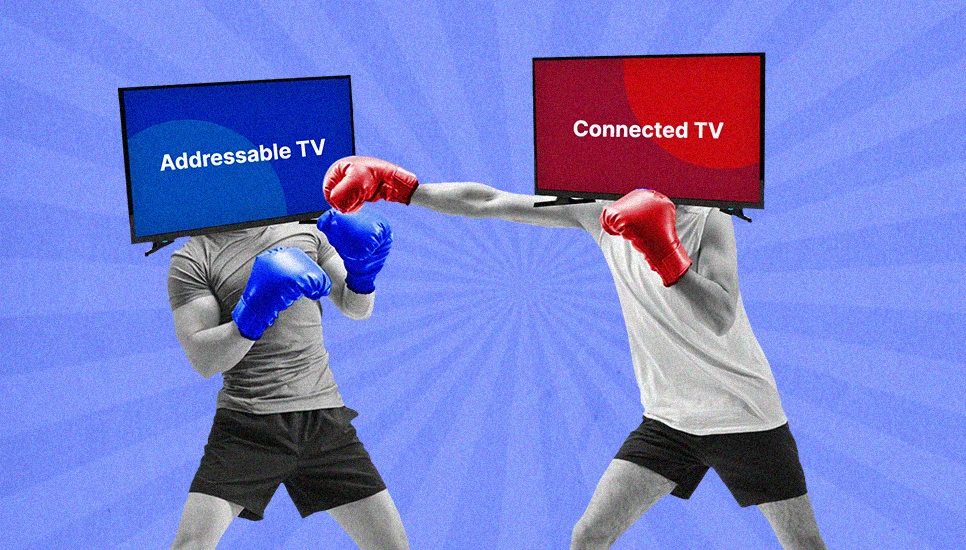
If your customers are local and you need mass awareness, start with traditional TV or local cable. If you need tighter targeting and clearer reporting, start with streaming and CTV. If you want both reach and precision, split the budget and run a simple hybrid plan with one core message across both.
Final Thoughts: When TV Advertising Is Worth It for Small Businesses

TV advertising can be effective for small businesses when it is approached strategically. Understanding TV advertising cost, choosing the right platform, and starting with a realistic budget make all the difference. For businesses willing to test, measure, and refine, television advertising remains a powerful way to build visibility, trust, and long-term growth.

About The Author
Sid hasan
Sid Hasan is an entrepreneur and marketing strategist recognized for his expertise in brand growth, digital innovation, and business development. With over a decade of experience, he has guided companies in building data-driven marketing ecosystems that generate measurable results.
As the founder of COLAB Marketing Inc., Sid leads a global agency serving over 200 brands across the U.S. and UAE, blending creative storytelling with performance-driven strategy to help businesses scale effectively.
Through COLAB, he continues to empower emerging and established brands to transform ideas into lasting market impact through strategic clarity, creative execution, and digital excellence.
