
Email marketing strategy fundamentals
Email marketing is the practice of using emails to build relationships, educate subscribers, and drive measurable actions like purchases, bookings, demo requests, or repeat orders. In practical terms, it is how brands run marketing email campaigns across lifecycle moments like welcome, nurture, promotional sends, and re-engagement, using segmentation and personalization to keep messaging relevant. A strong email marketing content strategy focuses on delivering value first, then converting attention into revenue through consistent, trackable campaign email marketing.
The history of email marketing
Email marketing started as the internet itself evolved from one-to-one messages into scalable communication. Early email adoption made it possible to reach audiences at near-zero marginal cost, which quickly turned email into a marketing channel. Over time, inbox providers and regulators pushed the channel toward permission-based practices, list hygiene, and clear opt-out standards. That shift is why modern email marketing strategies are built around consent, relevance, and deliverability, not volume.
In the current era, inbox rules have tightened again. Major mailbox providers have published clearer sender requirements aimed at reducing spam, improving authentication, and standardizing unsubscribe behavior, which directly impacts how you plan a modern email marketing strategy.
Does email marketing still work
Yes, and the reason is simple. Email still gives you direct access to an audience you own, without renting attention from an algorithm. The scale is also massive. Radicati projects global email users in the billions, which keeps email at the centre of digital communication behavior.
It also performs financially when executed well. Industry reporting continues to highlight strong returns for effective email marketing, especially when campaigns are segmented, automated, and aligned to customer intent instead of blasting the same message to everyone.
What changed is what “working” looks like. Open rates are less reliable as a success proxy, deliverability is more technical, and subscribers expect personalization. That is why the most successful email marketing strategies today lean on first-party data, clear positioning, and measurable outcomes.
What is an email marketing strategy
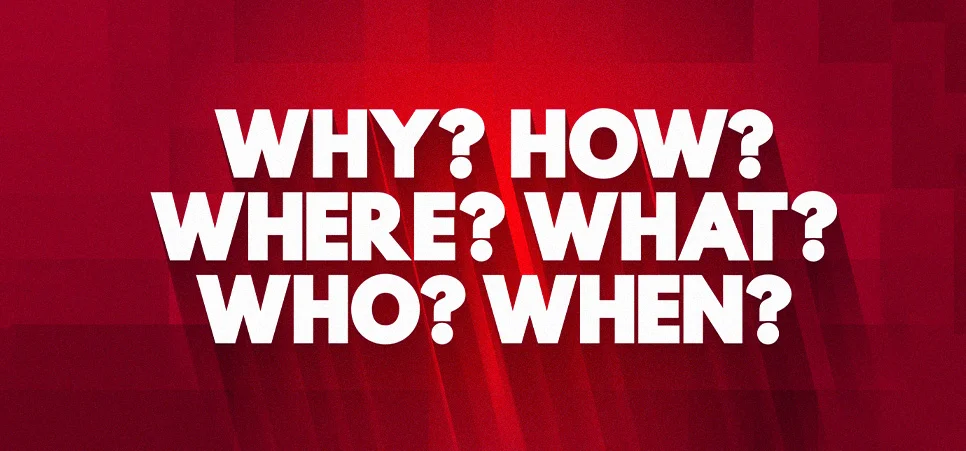
An email marketing strategy is the documented plan that explains:
- Who you are emailing (audiences, segments, lifecycle stages)
- Why you are emailing them (business goal and customer value)
- What you will send (offers, education, nurture, retention)
- When you will send it (cadence, triggers, timing)
- How you will measure success (KPIs and attribution)
This is the difference between random email campaigning and a repeatable system. A real email marketing strategy plan connects acquisition, nurturing, and conversion into one journey, including a practical email marketing strategy template for list growth, segmentation rules, automation flows, creative standards, compliance, and reporting.
Why you need an email marketing strategy
Without a strategy, even great email marketing campaigns become inconsistent. You end up with mixed messaging, uneven cadence, and performance volatility. With a strategy, you can:
- Build a predictable engine for email marketing for small business owners, service brands, and ecommerce teams alike
- Reduce wasted sends by matching content to intent, which supports effective email campaigns
- Improve deliverability by following current technical and policy expectations from mailbox providers
- Create a system for testing and iteration, so your email marketing strategy examples are based on results, not guesses
A strategy also protects you from content dilution. When every email maps to a purpose, you stop sending “just to send,” and you start sending what moves subscribers to the next step.
Set clear objectives
Clear objectives turn email marketing strategies into performance-based email marketing. Set objectives at three levels, then connect them to tracking.
1) Business objective: What is the outcome the business needs? Revenue growth, qualified leads, retained customers, reduced churn, higher repeat purchase rate.
2) Program objective: What the email program must achieve to support that business outcome. For example: increase demo requests from email by 20% in 90 days, improve email acquisition strategy so the list grows by 15% with verified opt-ins, or reduce cart abandonment using automated sequences.
3) Campaign objective: What each marketing email campaign must accomplish — welcome series drives first purchase conversion, post-purchase series drives second order and reviews, re-engagement series reduces inactive subscribers.
Then define KPIs that match the objective. Revenue per recipient, conversion rate, reply rate, booked calls, repeat purchase rate, and unsubscribe rate are usually more decision-worthy than opens alone.
To keep it actionable, write each objective as a single sentence: “Increase [primary KPI] from [baseline] to [target] by [date] for [segment] using [campaign or automation].” That structure makes developing an email marketing strategy measurable and keeps every email marketing tactic aligned to growth, not noise.
Audience, positioning, and planning
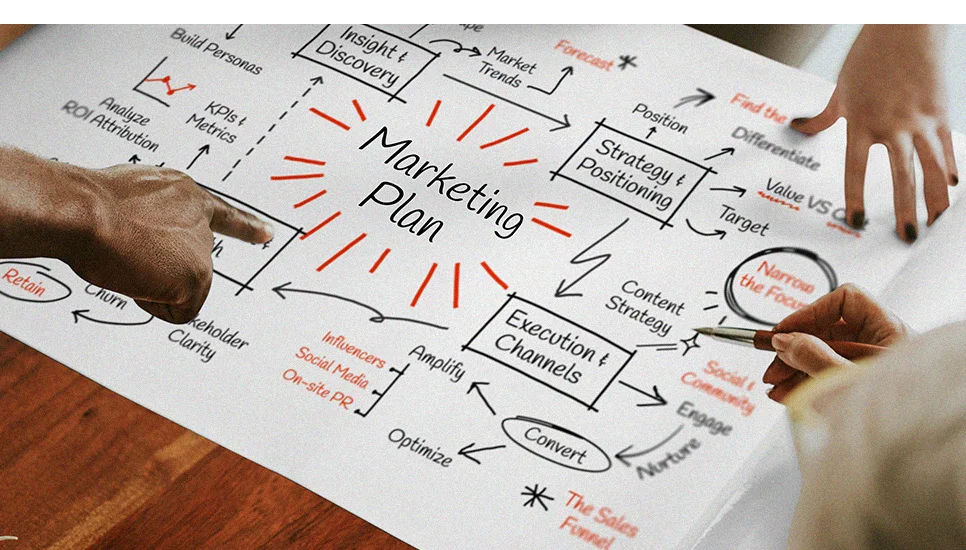
A strong email marketing strategy plan starts with one non-negotiable: you need to know exactly who you are emailing and why they should care. Once the audience is clear, your email marketing content strategy becomes easier to plan, easier to personalize, and easier to measure across marketing email campaigns.
Know your audience

In our last 10 campaigns at COLAB DXB, we found that audience definition and list quality had more impact on deliverability and revenue than any creative change we tested. The brands that skipped this step consistently saw higher unsubscribe rates and lower click-through, even when the emails looked great.
Start with positioning, not demographics. Before you segment anything, lock in your positioning in one sentence: who you help, what outcome you deliver, and what makes your approach different. This reduces mixed messaging and keeps your campaign email marketing consistent across newsletters, promos, and automation.
Build a practical audience model you can actually use. For most small business email marketing, you do not need 25 micro-segments. You need a few segments that directly change what you send, when you send it, and which offer you present.
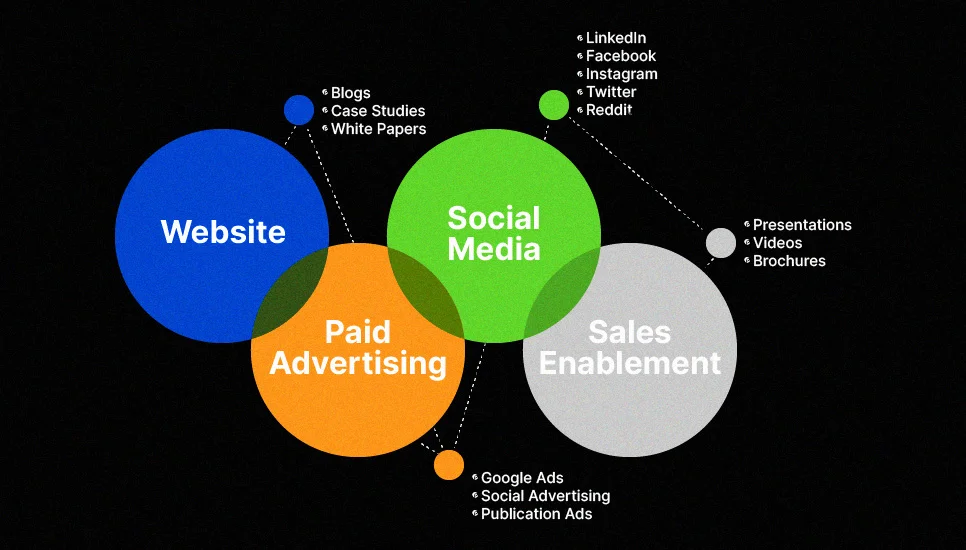
Use a simple segmentation stack like this:
- Lifecycle stage: lead, first-time buyer, repeat customer, inactive.
- Intent source: organic content, lead magnet, webinar, checkout, referral, social.
- Behavior: clicked product links, viewed pricing, abandoned cart, booked a call.
- Preference signals: topics selected, frequency choice, product category interest.
Why this matters in performance terms.
Segmentation and personalization are not just “nice to have” email marketing tips. Campaign Monitor’s 2025 Email Marketing Benchmark Report (campaignmonitor.com/resources/guides/email-marketing-benchmarks) reports that personalized subject lines are 26% more likely to be opened, and that marketers have seen up to a 760% increase in email revenue from segmented campaigns.
Collect the right data without killing conversions. For email acquisition strategy, minimize friction at signup, then progressively learn more:
- Signup form: ask for only what you need (usually first name plus email).
- Welcome flow: use a preference question or a “choose your topics” click.
- Ongoing clicks: tag interests based on what they actually engage with.
- Preference center: let subscribers control frequency and topics to reduce unsubscribes.
Plan around constraints that affect deliverability and trust. Your audience plan should include permission-based collection, clear expectations at signup, and consistent sending patterns. These reduce spam complaints and help your email for marketing reach the inbox more reliably.
Create valuable content
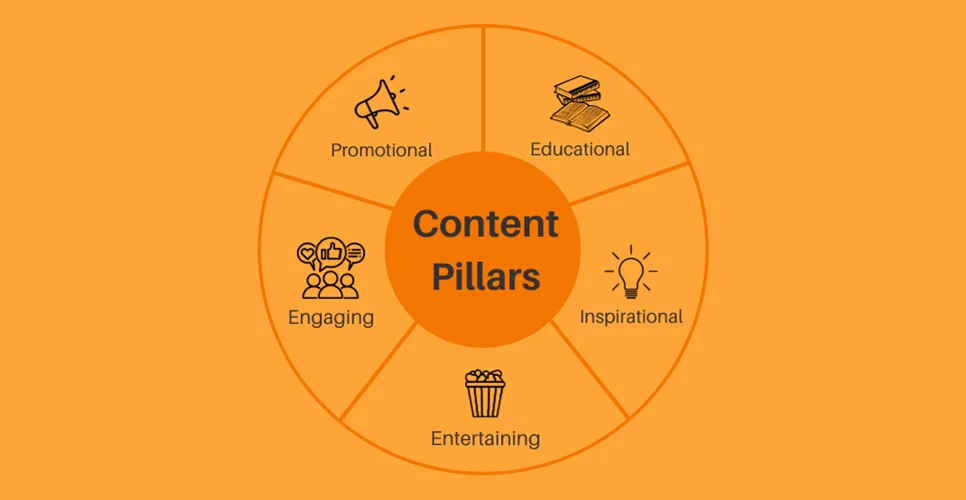
A modern email marketing content strategy is a value exchange. The subscriber gives attention. You give something useful quickly, then you earn the right to promote.
Define content pillars that match audience intent. Instead of brainstorming random newsletter topics, build 3 to 5 content pillars tied to why people joined your list:
- Education: how-to guides, checklists, quick tutorials.
- Proof: case studies, mini results, testimonials, before-and-after.
- Offers: new products, bundles, limited promos, seasonal drops.
- Trust: founder notes, behind-the-scenes, mission, quality standards.
- Retention: post-purchase tips, usage guides, replenishment reminders.
Match content type to the job of the email. To create email marketing that performs, plan by campaign type, not just topic:
- Welcome series: sets expectations, segments interests, delivers the first win.
- Nurture sequence: builds trust, answers objections, educates toward purchase.
- Promotional campaigns: focused offers with clear deadlines or reasons to buy now.
- Behavior-triggered emails: cart abandonment, browse abandonment, replenishment.
- Newsletter or digest: recurring value that keeps engagement steady.
We consistently connect “valuable content” with relevance and consistency so each send supports long-term performance, not just a one-time spike. For most email marketing for small business owners, a practical guideline is to deliver more help than hype. Your baseline calendar should make subscribers feel like staying subscribed is beneficial even when they are not buying.
Personalisation is more than a first name. It means sending the right content based on interests, referencing what they did (clicked, purchased, downloaded), and adjusting offers by lifecycle stage. Every email should make the next step obvious. One primary CTA per email is usually enough, especially when your goal is to improve conversions instead of inflating clicks.
List growth and acquisition systems
A strong email marketing strategy plan starts with an asset you actually own: your email list. Once your positioning and email marketing content strategy are clear, the next step is building a consistent, permission-based acquisition system so every marketing email campaign performs better over time.
Build an email list
If you are asking how to start an email marketing campaign, begin by designing a signup path that earns trust quickly and attracts the right intent. We treat organic list growth as the foundation of effective email marketing because permission and relevance protect deliverability and make email for marketing work long term.
The most reliable approach is to place opt-in opportunities where motivated visitors already are, the homepage, blog posts that rank, and high-intent landing pages, then pair those placements with a clear reason to subscribe such as practical templates, early access, or a subscriber-only offer. Even a simple “what are you interested in” preference at signup can improve personalized email marketing strategies later.
Use email popups
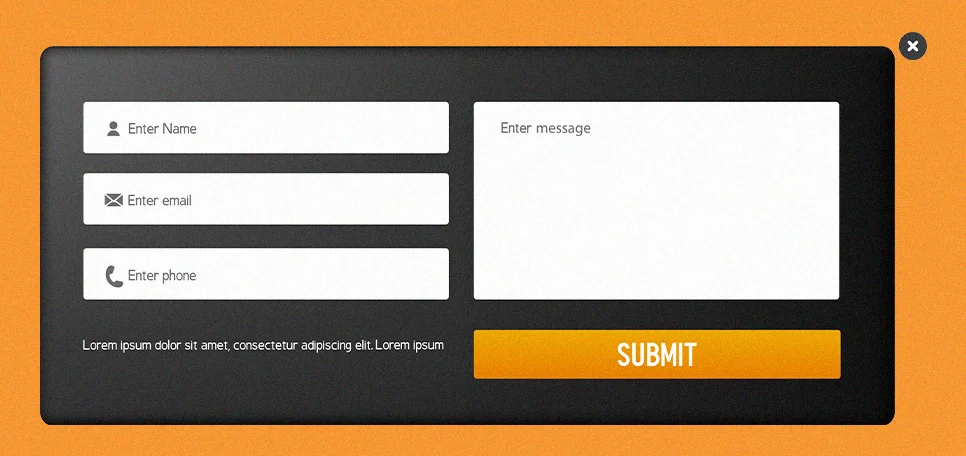
Email popups work best when they feel like a helpful next step instead of an interruption. We lean toward timing and context, showing a popup after a reader has engaged, triggering an exit intent prompt when someone is about to leave, or using a page-specific offer that matches the content they are viewing.
A popup on a pricing page might emphasise a consultation or a comparison guide, while a popup on a blog post might offer a checklist or swipe file. Keep form friction low and move new subscribers into an immediate welcome sequence, because a fast follow-up turns list growth into effective email campaigns rather than a silent database of emails.
Leverage social media
Social media helps you grow an email list when you treat it as a bridge from rented attention to owned audience. Instead of using social only for reach, the goal is to funnel interested users into your email campaigns marketing ecosystem, where you can nurture them with a campaign email marketing flow that you control.
A clear link in bio, story highlights that push a lead magnet, and consistent posts that promote one strong offer tend to outperform scattered “subscribe to our newsletter” asks. When you track which platform and post types drive the highest quality subscribers, you can refine your email marketing strategy examples around what actually brings engaged leads, not just clicks.
Contests and giveaways
Contests and giveaways can accelerate email acquisition strategy, but they only support effective email marketing strategies when the prize attracts the right audience. The common failure mode is building a huge list of people who only wanted something free, then watching bounces, unsubscribes, and low engagement damage your future marketing email campaigns.
The giveaway should be directly connected to what you sell, and the entry should be an opt-in that sets expectations for what emails the subscriber will receive next. The real win happens after the giveaway ends, immediately onboard new subscribers with a welcome message, a short nurture series, and a clear next step that matches their intent.
Segmentation, targeting, and lifecycle control
Segment and target your audiences

Segmentation is how you turn one big list into smaller, meaningful groups so your email marketing strategy matches what people actually care about. Targeting is what you do with those segments, you pick the right offer, message, and timing for each group, then align every marketing email campaign to a clear goal like signups, purchases, demos, or retention.
For an effective email marketing strategy, start with simple segments that map to lifecycle stages, such as new subscribers, active readers, first-time buyers, repeat customers, and high-intent visitors. Then layer behaviour and intent: pages viewed, category interest, last purchase date, cart activity, location, device, and engagement level. In our last 10 campaigns at COLAB DXB, we found segmented sends consistently outperformed non-segmented sends on every primary KPI, sometimes by a wide margin. Campaign Monitor’s benchmark reports up to a 760% increase in revenue from segmented campaigns.
Segment your subscribers
Treat segmentation like an operating system for your email marketing content strategy. Instead of creating a new segment for every idea, build a stable set of core segments you will reuse across promotions, newsletters, onboarding, and lifecycle automations. A practical structure is to segment by who they are, what they did, and how recently they did it, for example, “lead vs customer,” “interest category,” “high-intent actions,” and “recency and frequency.”
You can also improve targeting by separating acquisition sources, because how people join often predicts expectations. Someone who opted in from a lead magnet behaves differently than someone who subscribed at checkout. This is why developing an email marketing strategy usually includes a list taxonomy, it gives your team a clean way to build campaigns and makes it easier to measure what is the most effective email marketing campaign strategy for each audience type.
Personalize your campaigns and content
Personalisation is not just first-name tags. It is matching content to intent, and doing it consistently across subject line, first screen, and CTA. Personalised email marketing strategies can include dynamic product blocks, local offers, reorder reminders, content recommendations, lifecycle messaging, and “next best step” CTAs that reflect where the subscriber is in the journey.
Subject lines are a high-leverage personalisation point because they decide whether the email gets opened at all. Campaign Monitor reports that emails with personalised subject lines are 26% more likely to be opened. Pair that with on-email personalisation, category-based modules and behaviour-triggered messaging, and you move from generic email marketing tactics to a system that produces effective email marketing campaigns at scale. Treat personalisation as a hypothesis: test it like an A/B experiment and measure lift on the primary KPI, not just opens.
Address inactive subscribers
Inactive subscribers can quietly damage deliverability, because low engagement and higher complaint risk signal to inbox providers that your emails are unwanted. Lifecycle control means you define what “inactive” means for your list, for example, no opens or clicks for 60 to 120 days, then act on it with a re-engagement path and a sunset rule. A typical flow is a short win-back sequence that offers a clear value hook, a preference centre option, and a final confirmation. If they do not re-engage, suppress them or move them to a lower-frequency segment to protect sender reputation.
Bulk sender requirements have pushed teams to take list hygiene seriously, including keeping spam complaint rates low and making unsubscribing easy. Google’s guidelines reference keeping spam complaint rates under 0.3% for bulk senders and ensuring a working unsubscribe option. A defined inactive policy gives you more stable inbox placement, cleaner performance reporting, and more reliable gains from every email marketing campaign you run.
Email creation, UX, and creative execution
Design your emails
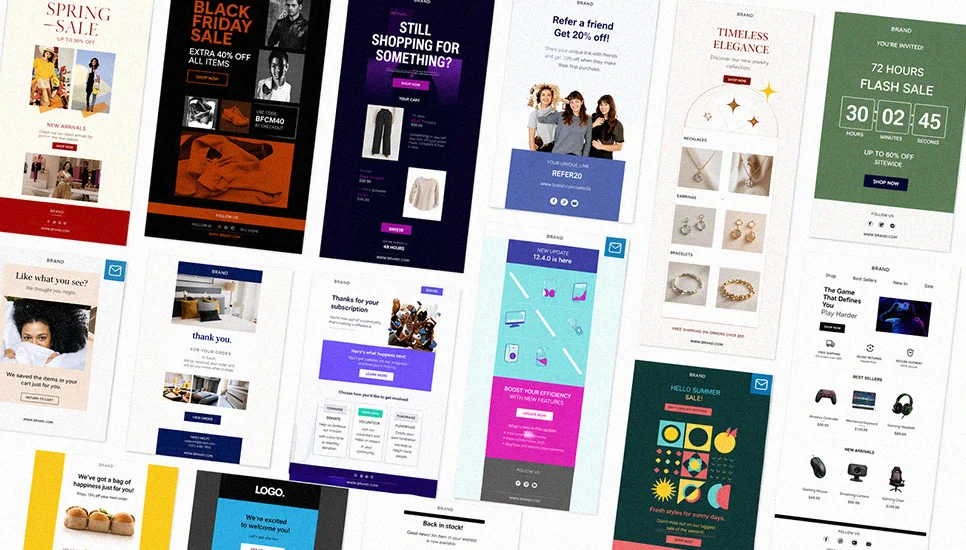
Great marketing email campaigns start with design that is easy to scan and unmistakably on-brand. Use a clear hierarchy with one primary message, one primary call to action, and supporting details that visually guide the reader from headline to CTA. Mailchimp’s design guidance also emphasizes responsive layouts so your email for marketing stays readable across devices and inboxes, which is now a baseline expectation for effective email marketing.
Include the elements of a good email user experience
A good email UX reduces friction before the click. That means legible typography, obvious tap targets, consistent spacing, and a layout that still works when images are blocked. Accessibility is part of UX too, using descriptive alt text, sufficient colour contrast, and meaningful link text so campaign email marketing performs for more subscribers, including those using assistive tech or dark mode. Litmus’ 2025 State of Email Accessibility report frames these as practical steps that improve clarity and engagement, not “nice to have” extras.
Craft compelling emails
Strong email marketing content strategy is simple: confirm the promise fast, deliver value immediately, then earn the next step. Write emails like a human, avoid filler, and make the CTA feel like the natural conclusion of the message. Litmus’ 2025 State of Email report cites email as delivering outsized ROI compared to most digital channels, which is why consistent creative testing and iteration matter in an effective email marketing strategy.
Craft perfect email subject lines
Subject lines decide whether your marketing email campaigns get opened at all. Litmus notes subject lines are one of the most important drivers of opens, right behind the sender name, so they should be written with intent, clarity, and audience fit. Use benefit-led language, avoid misleading hype, and match the subject to what the email actually delivers so you do not create a trust gap that hurts long-term performance.
Use short subject lines
Short subject lines typically survive mobile truncation better and communicate faster. Mailchimp’s guidance recommends keeping subject lines concise, with a commonly cited ceiling of about 9 words and 60 characters, a practical rule for an email marketing strategy plan built around consistent opens and clicks.
Include a catchy email signature
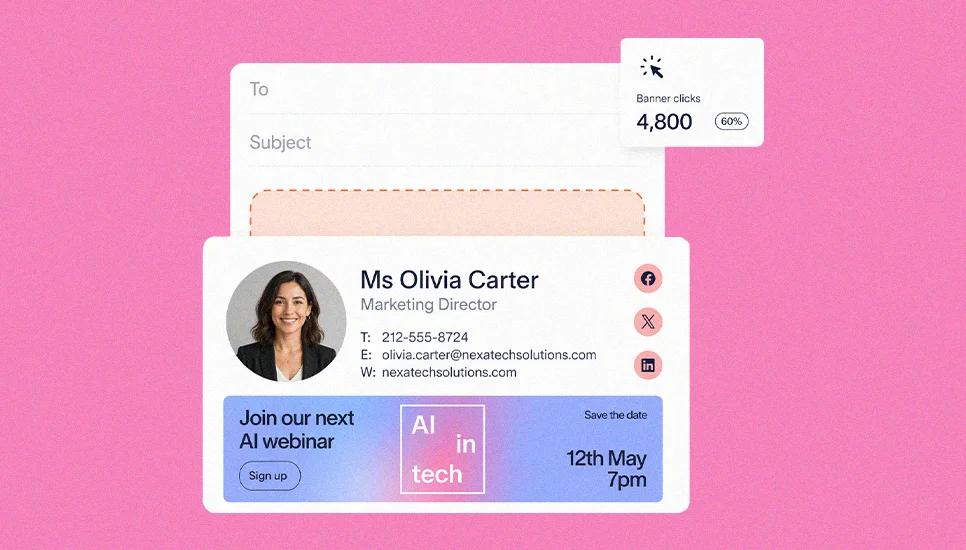
Your signature is a conversion asset, not decoration. Keep it compact, branded, and consistent across your team so recipients recognize who is emailing them and why. For small business email marketing, the strongest signatures usually include the sender’s name, role, company, one trust cue (like a short credential or support line), and a single action path that matches your email campaign strategy, such as “Book a call” or “Reply with your goal.”
Add visuals
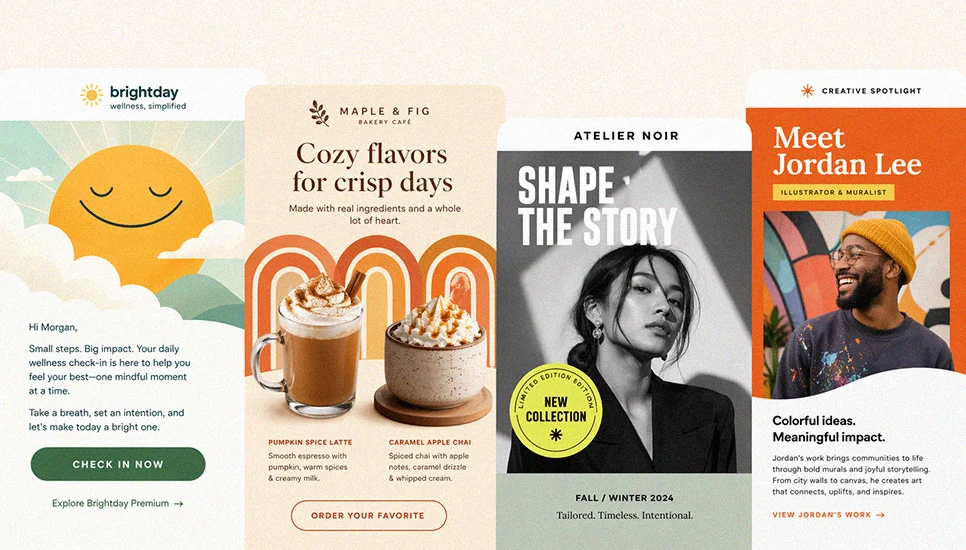
Visuals should clarify the offer, not compete with it. Use images to reinforce the primary message, show the product, demonstrate outcomes, or make a process easier to understand. Balance visuals with scannable text so the email still works in inboxes that block images by default, and pair every key visual with alt text so your email marketing strategies stay accessible and consistent with a performance-based email marketing mindset.
Optimize for mobile
Mobile optimization is where “good design” becomes real. Use single-column layouts when possible, increase line spacing, keep paragraphs short, and make buttons easy to tap with a thumb. Mailchimp highlights responsive UI UX design as a core requirement because bad rendering on phones can make an email nearly unreadable, which quietly kills effective email campaigns even when the offer is strong.
Improve CTAs
A strong CTA is specific, action-based, and aligned with the promise in the subject line and opening. Use one primary CTA per email, supported by secondary links only when they genuinely help different intent levels. If your goal is sales, the CTA should move the reader toward checkout, demo, quote, or reply, not just “learn more” with no next step. This is how successful email marketing strategies turn attention into measurable outcomes.
Optimize CTAs
CTA optimization is where you apply email marketing strategy examples as repeatable patterns. Test CTA copy, placement, button vs text link, and how early the CTA appears for different segments. Keep the landing page message match tight so the click feels rewarded, then measure outcomes beyond clicks, including conversion rate, revenue per recipient, and downstream behavior, so your email marketing approach optimizes for real business lift, not vanity metrics.
Campaign types
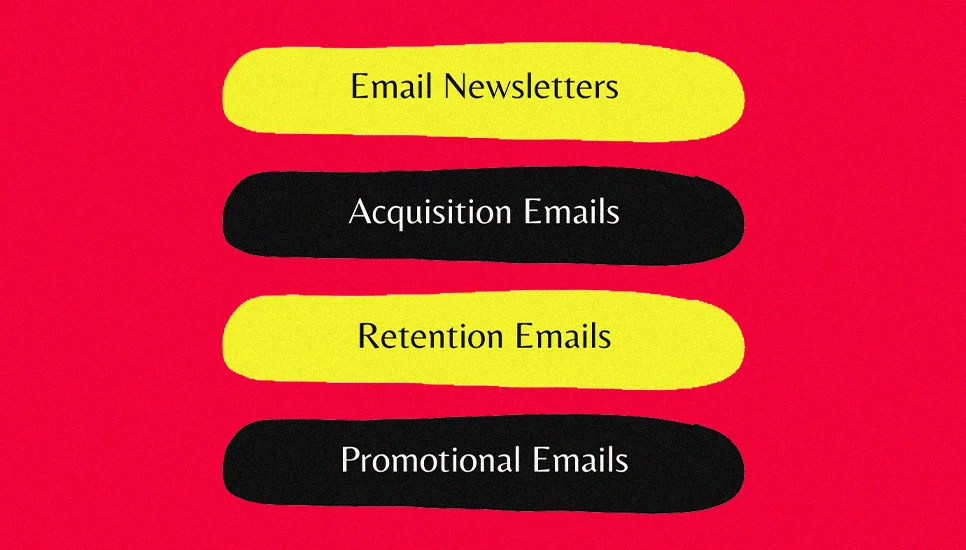
Email campaign types are easiest to understand by the job they do in your funnel. Most marketing email campaigns fall into four practical buckets: newsletters that keep your audience warm, acquisition emails that convert new signups into customers, retention emails that increase repeat actions and reduce churn, and promotional emails that drive time-bound revenue.
The 4 types of email marketing
When you map types of email marketing campaigns to intent, you avoid sending the same message to everyone. In practice, brands often combine these campaign email marketing categories with automation sequences like welcome, abandoned cart, post-purchase, and re-engagement to control the lifecycle and keep results predictable.
Email newsletters
Email newsletters are the backbone of an effective email marketing strategy because they build familiarity without always asking for a sale. A strong newsletter design cadence mixes value-first content, product education, proof points, and occasional offers, so your list learns to open because the email is consistently useful. From a deliverability and permission standpoint, newsletters are marketing emails, they should go to opted-in subscribers and include a clear unsubscribe option.
Acquisition emails
Acquisition emails turn new subscribers into active customers. The most common acquisition flow is a welcome series. It introduces the brand, sets expectations, clarifies the value proposition, and guides the next step, like exploring a best-seller, booking a demo, or claiming a first-purchase incentive. This is where email marketing strategy examples typically focus on message match, trust signals, and a single clear CTA so the conversion path is obvious.
Retention emails
Retention emails protect and grow lifetime value after the first conversion. This bucket includes post-purchase sequences that deliver updates, usage tips, review requests, and relevant cross-sells, plus behaviour triggers like browser abandonment and cart recovery. One Campaign Monitor benchmark notes that about 40% of subscribers can be persistently unengaged, which is why list hygiene and win-back messaging are part of successful email marketing strategies, not an afterthought.
Promotional emails
Promotional emails are designed to create action now. Product launches, limited-time discounts, seasonal campaigns, bundles, and event pushes all fit here. The key difference between promotions and lifecycle emails is timing and intent, promotions are offer-led and deadline-driven, while lifecycle emails are behaviour-led and triggered by what the subscriber did. Keep compliance clean: if you add promotional content to a message that would otherwise be transactional, it may be treated as a marketing email in some jurisdictions.
Optimization, testing, and sending strategy
Optimisation is where an email marketing strategy becomes predictable instead of hopeful. Once your list growth, segmentation, and creative are in place, the biggest wins usually come from disciplined testing, consistent delivery, and small improvements to clicks over time. Test one meaningful change at a time, measure against one primary KPI, then roll winners into your marketing email campaigns so each iteration compounds.
A/B testing
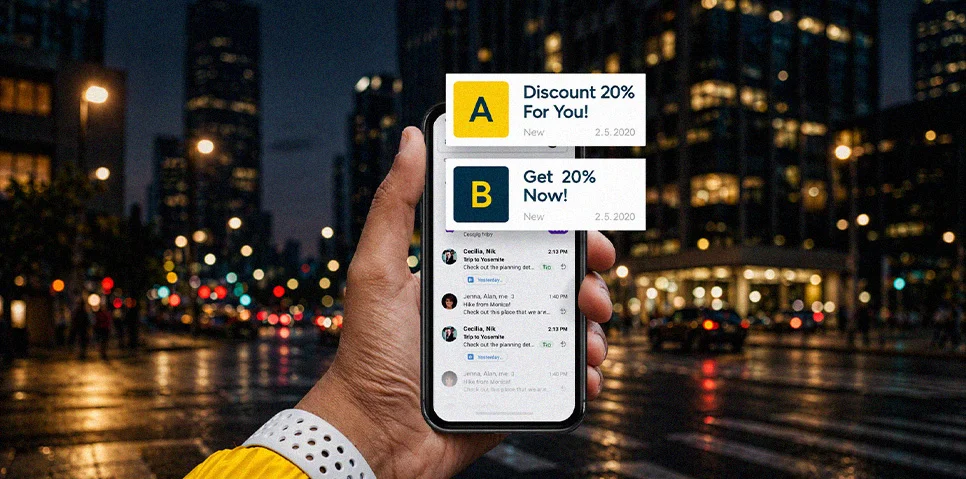
A/B testing is the cleanest way to validate what actually improves effective email marketing, because it forces one clear comparison. In our last 10 campaigns at COLAB DXB, we found that testing subject lines and first-screen copy consistently delivered 10–25% lift in open rate and CTR, far more than design tweaks alone. Pick one high-impact variable that aligns with your goal: subject line, offer framing, CTA placement, layout, or send time. Split your audience and measure results against a single primary KPI, with guardrails like unsubscribes or spam complaints so you do not “win” by hurting list health.
GetResponse notes that roughly 23.5% of emails are opened within the first hour, and about half within six hours. Their 2025 Email Marketing Benchmarks report frames A/B testing as a practical lever that can improve outcomes by around 10% to 25% when you test the right elements and keep the experiment clean.
Test emails and optimize CTR
To improve CTR in campaign email marketing, focus on reducing decision friction. Make the offer obvious, keep one primary action per email, and ensure the CTA is visually and semantically clear. Your CTR typically improves when the email mirrors the landing page promise, uses short scannable sections, and places the main CTA where it is easy to reach on mobile without hunting. Personalisation helps too, even simple targeting by intent, lifecycle stage, or product category often outperforms “one message to everyone” because the click is driven by relevance more than cleverness.
Treat CTR optimization as a continuous loop: send, review clicks by segment and device, identify what content blocks got ignored, then test one change in the next send.
Focus on the best time to send emails
“Best time” is not universal, but research-backed starting points help you avoid guessing. Research summarizes clear timing patterns: opens peak around 8 PM at about 59%, and testing sends at 2 PM, 5 PM, or 8 PM are strong default time windows. On weekday patterns, Tuesday and Friday are consistently strong overall, with Tuesday showing the highest average open rate in most datasets at around 11.36%.
Use this the right way. Start with a sensible baseline schedule, then run A/B tests by time zone and segment because behavior differs between audiences. The goal is not finding one perfect send time, it is building an evidence-based sending strategy that fits your list.
Set a consistent sending frequency
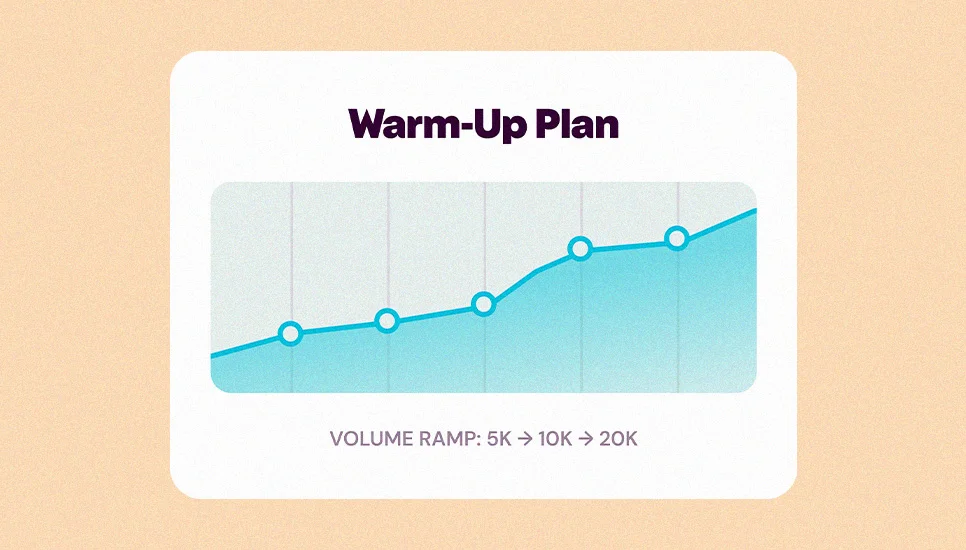
Frequency is where many small business email marketing programs either stall or burn trust. The safest approach is consistency first, then optimization. Pick a cadence you can sustain, align it with content production, and set expectations at signup so subscribers are not surprised. Over time, segment by engagement so your most engaged subscribers receive more frequent marketing email campaigns, while quieter segments get fewer sends or re-engagement flows.
EmailOctopus cites Omnisend data indicating ecommerce brands send about 19 emails per month on average. High-performing programs rely on a system of multiple email types, newsletters plus automations plus promos, rather than one occasional blast. Start at a manageable baseline, then expand with lifecycle automations and targeted sends so frequency increases without feeling repetitive.
Automation and tooling
Use email automation
After you set a steady sending rhythm and optimize your marketing email campaigns, automation is what turns that effort into a system that runs daily without you manually building every send. Email automation uses triggers and rules to deliver the right email for marketing at the right moment, a welcome series after signup, an abandoned cart reminder, or a reactivation sequence after inactivity. A trigger is simply the event that adds a contact to a flow, and triggers can be driven by contact activity, dates, shopping behaviour, and email engagement.
Email marketing automation
Email marketing automation is the lifecycle layer inside an effective email marketing strategy. Instead of relying only on newsletters, you build “always on” sequences that match intent: new subscriber education, lead nurturing, product discovery, cart recovery, post-purchase onboarding, replenishment reminders, review requests, upsell, and win-back. This is also where segmentation and personalization connect directly to execution, because the same email marketing content strategy can branch based on what someone viewed, bought, clicked, or ignored.
The benefits of email automation

The biggest benefit is compounding performance. In our campaigns at COLAB DXB, we consistently see automated flows outperform one-off broadcasts, not because they are cleverer, but because they hit high-intent moments. Omnisend’s 2025 Email Marketing Statistics report shows automated messages represent a small share of total sends but drive a disproportionately large share of email-driven orders, with higher open, click, and conversion rates than campaign-style emails in the same dataset.
Operationally, automation also protects consistency. It standardises key lifecycle touchpoints, reduces human error, and frees up time so your team can focus on strategy, creative testing, and improving how to start an email marketing campaign for new products, promos, and seasonal pushes.
Types of email marketing automation software
Most teams end up using a mix of tools based on channel and stack. Here is a comparison table to help you match the right software category to your needs:
| Type | Best For | Key Capabilities | Examples |
| ESP-Led Tools | Newsletters, welcome flows, basic automation | Drag-and-drop builders, list management, common triggers (signup, cart, re-engagement) | Mailchimp, Klaviyo, ActiveCampaign |
| Ecommerce Platforms | Revenue workflows, product-triggered messaging | Purchase attribution, product blocks, browse/cart abandonment, replenishment triggers | Klaviyo, Omnisend, Drip |
| CRM & Marketing Automation | B2B lead nurturing, pipeline alignment, sales follow-up | Lead scoring, deal stage triggers, CRM sync, sales + marketing handoff | HubSpot, Salesforce Marketing Cloud, Marketo |
| Customer Journey Orchestration | Multi-channel, complex branching, enterprise scale | Deep segmentation, multi-channel steps, behavioural scoring, advanced analytics | Iterable, Braze, Customer.io |
Whichever category you use, the trigger logic is the same: a flow starts based on contact activity, dates, shopping actions, or engagement signals. The platform handles delivery; your strategy handles what gets sent, when, and to whom.
What NOT to Do in Email Marketing in 2026
Most email marketing guides tell you what to do. This section covers what to avoid, because in 2026, the tactics that used to “work” are now the ones most likely to get your domain blacklisted, your open rates destroyed, or your account suspended.
⚠️ These tactics actively harm your email marketing program in 2026. Avoid all of them.
- Buying email lists. This is the fastest way to destroy sender reputation. Purchased lists contain spam traps, invalid addresses, and people who never opted in. Gmail and other providers will flag your domain quickly. In our experience at COLAB DXB, clients who came to us after buying a list needed 3–6 months of list cleaning and re-warming before their deliverability recovered. The short-term “reach” is never worth the long-term damage.
❌ Bought lists = spam traps + blacklists + wasted budget. Build your list with permission-based opt-ins only.
- Using deceptive subject lines. Subject lines that mislead, “Re: your account,” “You have a package waiting,” or “Quick question” when it is a promotional email, inflate open rates temporarily and destroy trust permanently. They also violate CAN-SPAM and GDPR rules on deceptive messaging. Google’s spam classifiers have become sophisticated enough to flag these patterns at scale.
3. Ignoring one-click unsubscribe. Google’s February 2024 bulk sender requirements mandate one-click unsubscribe for marketing emails sent at volume. If your unsubscribe process takes more than one click, or if you delay processing unsubscribes beyond 10 days, you are in violation of Google’s guidelines and at risk of having your emails routed to spam, or blocked entirely.
- Sending without authentication (SPF, DKIM, DMARC). Unauthenticated sending is what triggered Google’s 75% reduction in unauthenticated messages. If your domain does not have SPF and DKIM configured, and DMARC set for bulk sending, your emails are either being blocked or landing in spam. This is not optional in 2026.
5. Using spam trigger words excessively. Words and phrases like “FREE!!!”, “guaranteed,” “no risk,” “act now,” excessive capitalisation, and multiple exclamation points still trigger spam filters, even in 2026. Litmus’ deliverability research consistently shows that copy quality affects spam classification, not just authentication.
- Sending to your entire list for every campaign. Blasting every subscriber with every send is the single biggest driver of engagement decay. Low engagement signals to inbox providers that your content is irrelevant. Segment. Target. Match intent. Even a simple active vs inactive split will improve your deliverability and open rates immediately.
- Ignoring mobile rendering. More than 60% of email opens now happen on mobile. If your email breaks on a phone, tiny text, broken images, a CTA button that is impossible to tap, you lose that subscriber’s attention permanently. Always test on mobile before sending.
✅ The rule of thumb: if a tactic feels like a shortcut, it probably is. In 2026, email marketing rewards patience, permission, and relevance, not volume and tricks.
Examples and inspiration
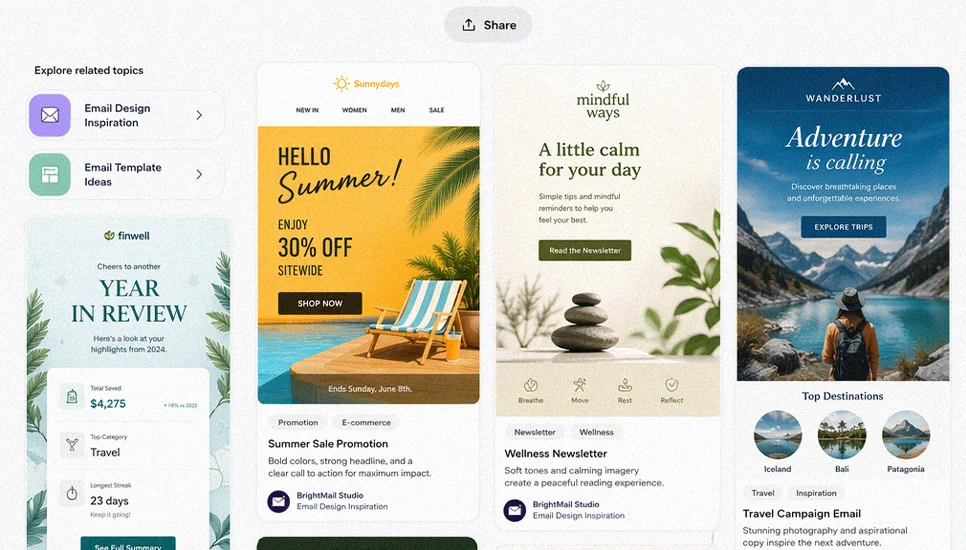
Great email marketing campaigns are easier to plan when you can see proven patterns in the wild, then adapt them to your own audience, offer, and channel mix. Treat these email marketing strategy examples as frameworks you can borrow for marketing email campaigns that need stronger clicks, better engagement, and cleaner conversion flow.
Real email marketing examples to inspire you
The point is not to copy a subject line or layout. The point is to copy the underlying mechanism, trust-building in a welcome email, relevance through personalisation, or behaviour shaping through rewards. When you document why an email worked and what it was trying to accomplish, your email marketing strategy plan becomes repeatable instead of random
A touch of humanity from Harry’s
A “human” email works because it reduces scepticism fast. In many of Harry’s examples, the tone reads like a real person wrote it, the structure is simple, and the next step is obvious, which is exactly what effective email marketing needs at the top of a lifecycle. Use this approach in your email marketing content strategy when the goal is trust, not pressure. Keep the copy conversational, confirm what the subscriber gets next, and offer one clear action so the campaign email marketing outcome is measurable.
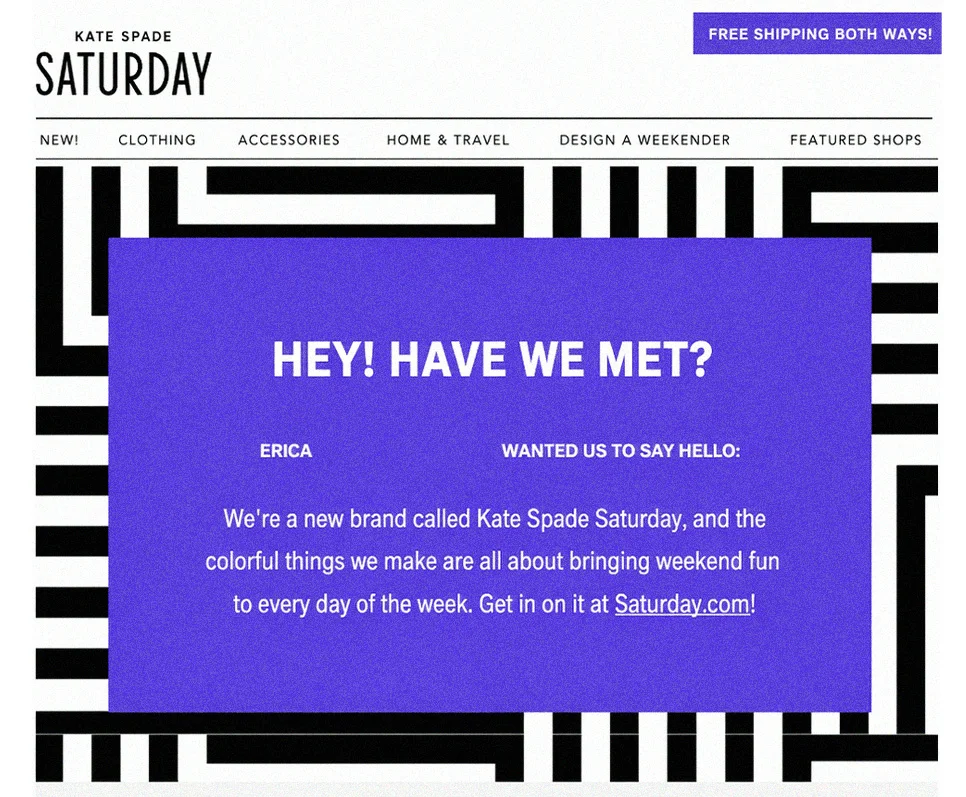
Casper. A warm welcome
A warm welcome email is about onboarding, not selling. The “Casper-style” approach works when it sets expectations (what emails you will send and why), removes purchase anxiety (returns, shipping, trial, support), and guides the subscriber to the easiest next step based on intent, like browsing bestsellers or learning how to choose. Build a short welcome sequence that moves from reassurance, to product education, to a gentle offer, so the experience feels helpful instead of promotional.
Personalized like Spotify
Personalised email marketing strategies win because they make the subscriber feel recognised, not targeted. Spotify Wrapped is a clear example of personalisation at scale, built around a yearly, user-specific recap experience and personalised assets that reflect an individual’s listening journey. The lesson for your email marketing strategy template is straightforward: use first-party data to generate content that is uniquely true for that subscriber, then package it into a narrative they want to click, save, or share.
Gamify your emails like Chick-fil-A

Gamification works when it turns progress into motivation. A “Chick-fil-A style” email approach typically centers on rewards, points, status, and small milestones that encourage the next action without needing constant discounts. Use progress cues, earned rewards, next milestone, limited-time boosters, and keep the CTA tied to one measurable behavior like “earn,” “redeem,” or “unlock,” so your effective email campaigns are easy to optimize.
Honorable mention. HBO Max’s unexpected mistake

Sometimes the best email marketing tips come from what went wrong. Use pre-send checklists, test lists that cannot accidentally blast your full database, and clear internal approvals for high-risk sends. If something does slip through, the recovery playbook is still strategic: acknowledge it quickly, explain what happened in one sentence, and follow with a normal, value-first email so trust rebounds and you do not poison future sending performance.
How COLAB DXB helps you apply email marketing strategies

Seeing great email marketing campaigns in the wild is useful. Turning those patterns into a repeatable system that grows leads, conversions, and revenue is where execution matters. COLAB DXB is a web design and development agency that builds the full foundation behind an effective email marketing strategy, so your marketing email campaigns are not just well written, they are measurable, automated, and optimized for performance.
We start by mapping your email marketing strategy plan to real customer journeys, from list acquisition and on-site signup flows to segmentation, lifecycle sequences, and a practical email marketing content strategy that matches your offers and audience intent. Then we implement what makes results reliable: conversion-focused landing pages, fast mobile UX, clean forms and popups, and tracking that connects email clicks to on-site behavior and conversions.
On the technical side, we connect your website to your email stack so personalisation and automation actually work. That includes CRM and ecommerce integrations, audience tagging, event-based triggers, and deliverability foundations like authentication setup and sending domain alignment. We also run A/B testing on subject lines, CTAs, layouts, and landing pages to improve CTR and conversion rate, then iterate using real performance data. If you want a custom email marketing strategist workflow built for Dubai and UAE growth goals, COLAB DXB can package this into a clear strategy template, creative system, and implementation plan you can run month after month.
Why Email Marketing Still Compounds in 2026
A strong email marketing strategy is still one of the most reliable growth levers because it compounds. You keep building owned reach, you keep learning what messaging converts, and you keep improving your marketing email campaigns with every send. The bar is higher now, so the “effective email marketing strategy” in 2026 is not just creative. It is deliverability plus relevance plus measurement. Litmus’ 2025 State of Email report cites an average email ROI of about $36 for every $1 spent, which is why the best teams treat email marketing planning like a core revenue channel, not a side tactic.
To keep that ROI real, you need fundamentals that protect inbox placement and trust. Google’s 2024 sender guidelines make it clear that authentication and subscriber experience are table stakes, including SPF or DKIM for all senders, DMARC for bulk senders, one-click unsubscribe for marketing messages, and keeping reported spam rates below 0.3%. When you pair those requirements with smart segmentation, personalised email marketing strategies, clean email content strategy, and consistent A/B testing, you get campaigns that earn opens and clicks because they match intent, not because they shout louder.
If you want to move from “sending emails” to a repeatable system, start with clear objectives, build list growth you can sustain, run campaign types that map to the lifecycle, and track outcomes that matter like conversion rate, revenue per subscriber, and retention. Then keep iterating. That is how to create an email marketing strategy that stays effective even as inbox providers tighten standards and expectations keep rising.


About The Author
Sid hasan
Sid Hasan is an entrepreneur and marketing strategist recognized for his expertise in brand growth, digital innovation, and business development. With over a decade of experience, he has guided companies in building data-driven marketing ecosystems that generate measurable results.
As the founder of COLAB Marketing Inc., Sid leads a global agency serving over 200 brands across the U.S. and UAE, blending creative storytelling with performance-driven strategy to help businesses scale effectively.
Through COLAB, he continues to empower emerging and established brands to transform ideas into lasting market impact through strategic clarity, creative execution, and digital excellence.