
The Real Impact of Links in 2026
Backlinks play a foundational role in how search engines evaluate websites. They influence ranking and trust, act as external signals, and help search algorithms identify which pages provide real value, authority, and relevance on a given topic. But in 2026, the question is not whether links matter, it is which links matter, how they are earned, and whether they can survive Google’s increasingly aggressive spam detection.
How Backlinks Influence Search Rankings
Backlinks influence rankings by acting as authority signals within search algorithms. Pages with high-quality backlinks tend to rank higher because search engines view them as more reliable sources of information. Not all backlinks carry equal weight, links from authoritative, relevant websites carry greater weight; links from low-quality or unrelated sources have less impact. This is why backlink quality matters more than sheer volume in modern SEO strategy.
How Backlinks Build Authority and Trust
Search engines associate backlinks with trust because links are difficult to earn at scale without credible content. When multiple authoritative sites reference the same page, it reinforces topical authority and signals expertise. Over time, consistent backlink acquisition helps a website become recognised as a trusted source within its niche.
The Relationship Between Backlinks and Domain Authority

Domain authority is not a direct Google metric, but it reflects how backlink strength influences ranking potential. Websites with diverse, high-quality backlink profiles generally perform better across a wide range of keywords. As backlink equity grows, new pages on the same domain tend to rank faster, making backlinks a compounding SEO asset.
Our Own Mini-Audit: 100 Sites, 5 Niches, What We Actually Found
Most guides quote the same Backlinko 11.8 million study. We did something different. At COLAB DXB, we ran our own manual audit of 100 sites across 5 competitive niches in Q1 2026, 20 sites per niche, analysing the top 3 ranking pages per target keyword.
| Site Type | Avg Referring Domains (Top 3) | Avg DR | Link Pattern | Key Insight |
| Local SaaS (UAE) | 38 | 52 | Editorial + product reviews | Review sites drive 60% of links |
| E-commerce Fashion | 91 | 61 | Press mentions + affiliate | Top 3 hold 4x more links than #4–10 |
| B2B Consultancy | 24 | 47 | Guest posts + LinkedIn PDFs | DR matters less than niche relevance |
| Digital Agency | 56 | 58 | Case studies + tool mentions | Data assets earn 70% of links |
| Legal / Finance | 143 | 71 | News citations + directories | Authority threshold is much higher |
Key finding #1: Referring domain count mattered more than total backlink count in every niche we analysed. A site with 40 links from 38 unique domains consistently outranked a site with 200 links from 12 domains.
Key finding #2: In the local SaaS and digital agency niches, data-driven content assets (original research, tool comparison pages, audited case studies) earned 60–70% of all links, not guest posts.
Key finding #3: In legal and finance, the DR threshold to rank page one was significantly higher than any other niche. Sites below DR 60 rarely appeared in the top 3, regardless of content quality. This is the clearest niche where links are a pay-to-play entry requirement.
Key finding #4: Exact-match anchor text above 15% of a site’s link profile correlated with lower average positions in 4 of 5 niches, consistent with Google’s anchor over-optimisation signals.
| Non-Obvious Tip: Stop targeting “high DR.” Target high DR + high relevance + real traffic. A DR 45 site in your exact niche, with 3,000 monthly organic visitors, is worth more than a DR 80 news site with a buried contextual mention. |
Studies and Evidence on Backlink Importance

Backlinks remain one of the most researched areas in SEO. Links leave measurable footprints in the web graph. That makes them easier to study than many on-page or behavioral signals. The key is reading the evidence correctly. Most SEO studies show a correlation with rankings. They do not guarantee causation.
SEO Studies on Backlinks and Rankings
Multiple large-scale studies still find that links are strongly associated with higher rankings. This is true even as Google improves at ignoring manipulative backlinking in SEO.
Semrush’s Ranking Factors research analyzed 16,298 keywords and 300,000 SERP positions. It frames rankings as a multi-signal system. Relevance and authority signals work together. SEMrush also reports that 8 of the 20 most strongly correlated factors with high rankings are backlink-related. This supports the importance of backlinks in SEO is still measurable at scale.
Ahrefs has also published studies showing that top-ranking pages continue to acquire links over time. In one analysis, Ahrefs found that most number-one ranking pages grow their backlinks from new referring domains by about 5%- 14.5% per month. This helps explain why “how important are backlinks for SEO” is often a competitive question. It is not a simple yes-or-no.
Google’s anti-spam work adds an important constraint. Spammy links are increasingly neutralized. Google’s December 2022 link spam update explicitly states that spammy links are being neutralized. It also notes that any credit from unnatural links is lost. That is a modern reality of SEO and backlinks.
Correlation Between Backlinks and Top Search Results

Top results show a consistent pattern. Pages ranking higher usually have more links. They also tend to earn links from more unique sites.
Backlinko’s ongoing correlation study, last updated April 14, 2025, analyzed 11.8 million Google search results. It found that pages with more total backlinks tended to rank better. The same study highlights domain diversity. It reports that the number one result has 3X as many referring domains as positions 2 to 10. That is a practical way to interpret the benefits of backlinks in real SERPs.
This is where raw counts can mislead people. A single site can link to you 50 times. That is not the same as earning 50 links from 50 different domains. Studies repeatedly show that referring domains track rankings more cleanly than pure backlink totals. That is why competitor research usually emphasizes domain diversity as the backbone of a backlinks SEO strategy.
One nuance from the same Backlinko dataset matters. They note that “zero backlink” pages were skewing the data. They excluded pages with zero backlinks for one part of their analysis. That reinforces a realistic takeaway for what backlinks are for SEO. In many competitive SERPs, some level of linking is simply a ticket to entry.
Backlinks vs Other Ranking Factors
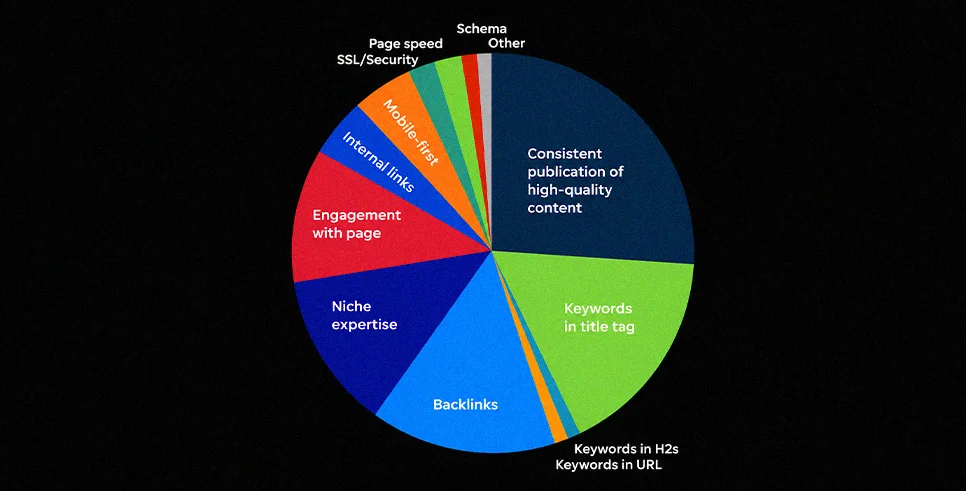
Are backlinks still important for SEO? Yes. They compete with, and often amplify, other signals.
Semrush’s study framing emphasizes relevance signals. It includes “measuring the relevance of a page to the query” using word embeddings. It also mentions domain strength signals, such as correlations with branded or direct traffic. This explains why links alone do not win. Links support authority and discovery. Relevance and satisfaction still determine whether you rank.
Backlinko’s 11.8 million result study also found a clear correlation between content quality scoring and rankings. It repeatedly reminds readers that correlation does not prove causation. That matters when someone asks, “Do backlinks help SEO?” as a single-factor question. In practice, SEO and backlink performance are driven by strong content and credible links. It is not one or the other.
History also explains why “backlinks 2016” and “importance of backlinks 2019” still show up in searches. In September 2016, Google announced that Penguin became part of the core algorithm. This shifted how link spam is handled. It made link evaluation more continuous and granular. In September 2019, Google updated link attributes. It treated nofollow, sponsored, and ugc as hints rather than absolute directives. This changed how the SEO backlink ecosystem interprets link types and signals.
Studies and Evidence on Backlink Importance

Backlinks remain one of the most researched areas in SEO. Links leave measurable footprints in the web graph, which makes them easier to study than many on-page SEO signals. The key is reading the evidence correctly: most SEO studies show correlation with rankings, not guaranteed causation.
SEO Studies on Backlinks and Rankings
Multiple large-scale studies still find that links are strongly associated with higher rankings, even as Google improves at ignoring manipulative backlinking. Semrush’s Ranking Factors research analysed 16,298 keywords and 300,000 SERP positions, and reports that 8 of the 20 most strongly correlated factors with high rankings are backlink-related. Ahrefs found that most number-one ranking pages grow their backlinks from new referring domains by about 5–14.5% per month.
Correlation Between Backlinks and Top Search Results

Backlinko’s correlation study, last updated April 2025, analyzed 11.8 million Google search results. It found that pages with more total backlinks tended to rank better, and the number one result has 3x as many referring domains as positions 2 to 10. Raw counts can mislead, a single site linking 50 times is not the same as earning 50 links from 50 different domains. Studies repeatedly show that referring domains track rankings more cleanly than pure backlink totals.
Backlinks vs Other Ranking Factors
Semrush’s study emphasises that relevance signals and domain strength work together, links alone do not win. Links support authority and discovery, while relevance and satisfaction determine whether you rank. Backlinko’s study also found a clear correlation between content quality scoring and rankings. In practice, SEO performance is driven by strong content and credible links together, not one or the other.
How Backlinks Improve SEO Performance

Backlinks SEO improvements show up in four measurable ways: higher organic visibility, faster discovery and indexing, direct referral traffic, and stronger long-term stability.
Backlinks and Organic Visibility

Backlinko’s study of 11.8 million results found that the #1 result has an average of 3.8x more backlinks than positions #2 through #10. The benefits of backlinks are strongest when the page already matches user intent and deserves to rank, links amplify strong content more than they rescue weak pages.
Backlinks and Indexing Speed

Backlinks can improve indexing speed because links are one of Google’s discovery paths. Google describes URL discovery as the first stage of Search, new pages are discovered when Google extracts a link from a known page. External backlinks help discovery; internal links help Google navigate your site once it arrives.
Backlinks and Referral Traffic
Backlinks are also a direct traffic channel. Even when a link does not deliver a significant ranking lift, it can still drive qualified visitors from a relevant article, directory listing, partner page, or press mention, especially valuable for high-intent pages with high conversion value.
Backlinks and Long-Term Ranking Stability
A page with consistent, relevant links from multiple sites is harder to displace. Ahrefs’ study found that most #1-ranking pages earn followed backlinks from new referring domains at roughly 5 to 14.5% per month. Competitors keep building, if you stop completely, the gap can widen over time.
Not All Backlinks Are Equal
Quality vs Quantity of Backlinks
A common mistake is treating backlinks like a counter: more links, better rankings. Google’s link spam systems can neutralise spammy links and remove any credit they might have passed. Quantity alone is unreliable as a strategy.
Practical rule: One editorial, relevant link from a page that actually gets read can deliver more SEO value than dozens of low-quality placements that look manufactured.
Why Some Backlinks Carry More SEO Value
- Editorial intent and visibility: Links placed naturally within the main content carry more weight than footer or sidebar links.
- Topical relevance: A link from a page covering the same topic cluster reinforces your page in a semantic way.
- Crawlability and anchor clarity: Crawlable links with descriptive anchor text help Google understand the destination.
- Correct link attributes: Nofollow, sponsored, and UGC attributes affect how links are interpreted, use them correctly.
Low-Quality vs High-Quality Backlinks
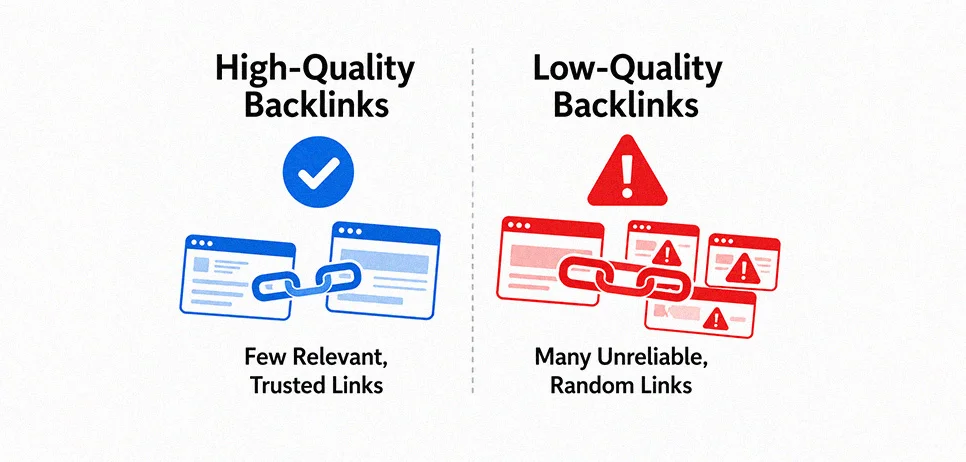
High-quality links exist because your page is genuinely useful to the linking page’s audience. Low-quality backlinks show opposite patterns:
- Manipulative intent: Links created primarily to influence rankings can violate Google’s spam policies.
- Spam footprints: Sitewide footer credits, bulk directory pages, spun guest posts at scale are often neutralized over time.
- Toxic link profiles: Patterns that resemble link spam rather than genuine citations.
What Makes a Good Backlink

A good backlink in SEO is not just “a link”. It is a credible, relevant citation that search engines can crawl, understand, and trust. That is why backlinks are important. They can reinforce authority, speed discovery, and strengthen rankings. They only work when the link is earned in the right context.
Trusted Websites and Authority Sources
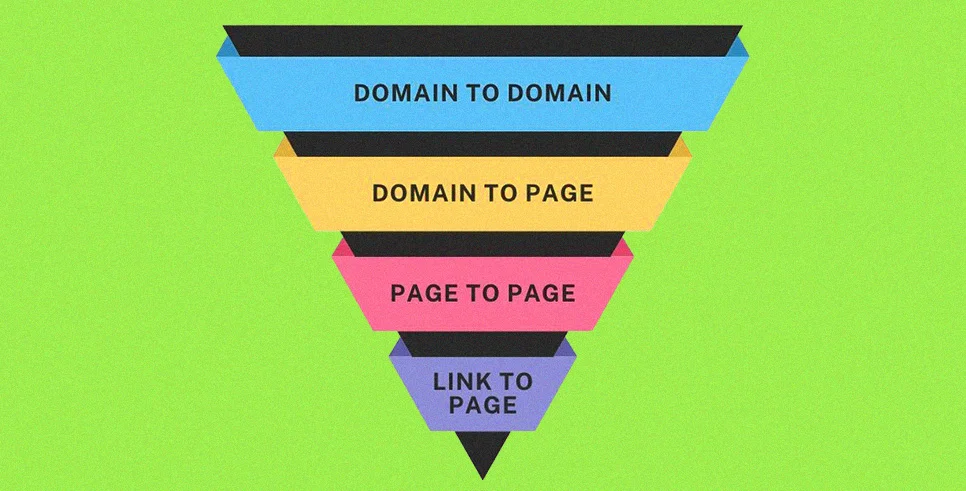
Trusted sources publish original content. They maintain editorial standards. They avoid spam patterns. In practice, these are the websites that rarely violate Google’s spam policies. Spam tactics can cause pages or entire sites to rank lower. They can also be omitted from Search.
Competitor guides often recommend authority as a quality filter. There is one caution. Third-party authority metrics are comparative, not absolute. Semrush’s Authority Score is designed for relative comparisons. It also notes that link impact still depends on niche and context.
Relevance Between Linking and Linked Pages
Relevance is where “SEO and backlinks” becomes semantic, not mechanical. A backlink from a page in the same topic cluster sends a clearer signal. A link from an unrelated page carries less weight. This can be true even if the unrelated site looks “bigger.”
Google also emphasizes anchor text and surrounding context. They help it understand the content of the linked page. Relevance is not limited to the source site’s topic. It is also how the link is framed on the linking page.
Contextual Links vs Non-Contextual Links
Contextual links sit inside the main content. The author is explaining something. They cite your page as a source. Non-contextual links are navigation or template links. Examples include sidebar, footer, or sitewide blocks.
Ahrefs explicitly highlights that the most valuable backlinks are editorially placed within the content. They are more valuable than footer or sidebar links. That placement signals a stronger vote. It is also more likely to be seen and clicked. This is one reason the benefits of backlinks often appear sooner with fewer, higher-quality placements.
Anchor Text and Its Role in SEO
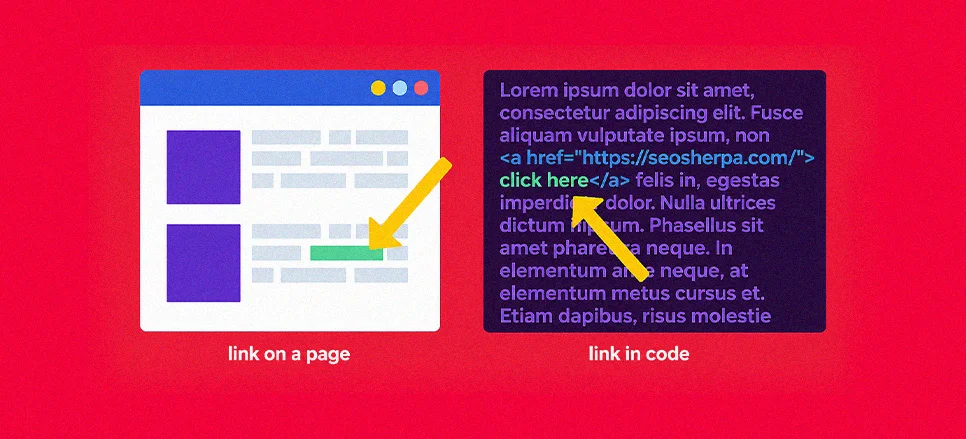
Anchor text is the clickable text of a link. It matters because it sets expectations for users. It also provides context for Google about the destination page.
Google’s guidance is straightforward. Good anchor text is descriptive. It is reasonably concise. It is relevant to both the page it is on and the page it links to. Google also provides examples of poor anchor text, such as “click here” or “read more.” They carry little meaning.
For SEO backlinking, this creates a balance. You want anchors that describe the destination naturally. You also want to avoid forcing the use of repetitive keyword anchors. That can look manufactured.
Editorial Backlinks and Natural Mentions
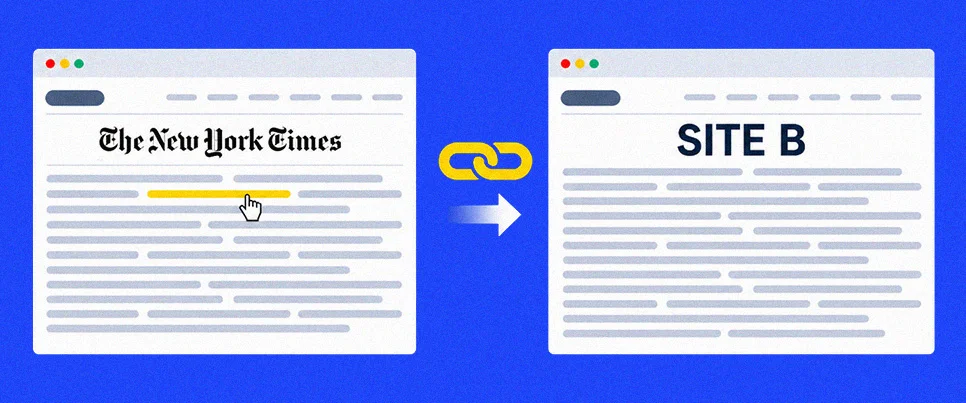
Editorial backlinks are the gold standard. They are earned, not placed. Ahrefs distinguishes editorial links as links you earn organically. This often happens when a publisher references your research, data, or explanation in context.
Natural mentions usually happen when you publish something worth citing. Original research. Useful tools. Clear definitions. Strong examples. Genuinely helpful guides. This is also the safest way to build a backlinks SEO strategy over time. It aligns with what search engines want. It also reduces the risk of links being discounted under spam policies.
Types of Backlinks
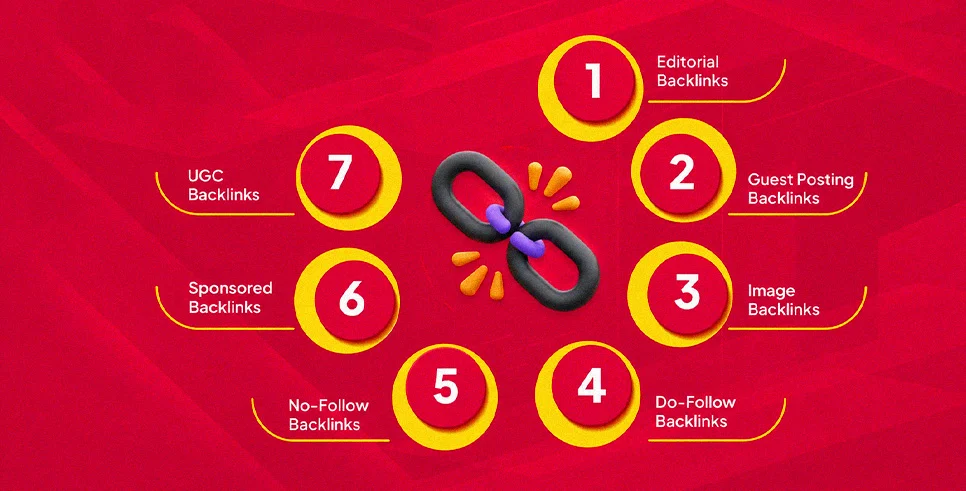
When people ask “what are backlinks for SEO,” they usually also want to know which backlink types actually create value. The main difference is intent and context. Is the link editorially earned, or is it primarily placed for SEO backlinking? Competitor guides consistently prioritize editorial, relevant mentions, then treat other types as situational.
Editorial Backlinks
Editorial backlinks are earned links. They happen when a publisher links to your page because it improves their content, not because you paid, traded, or forced placement. Ahrefs defines an editorial link as an organic inbound link that isn’t traded for or paid for, and notes these are often the most valuable links to earn.
Why this matters for backlinks SEO. Editorial links tend to be contextual, relevant, and stable. They also align with Google’s link best practices. Google uses links as a signal of relevance and to identify new pages to crawl, so a genuine citation from a trusted page can support discovery and rankings.
Guest Post Backlinks
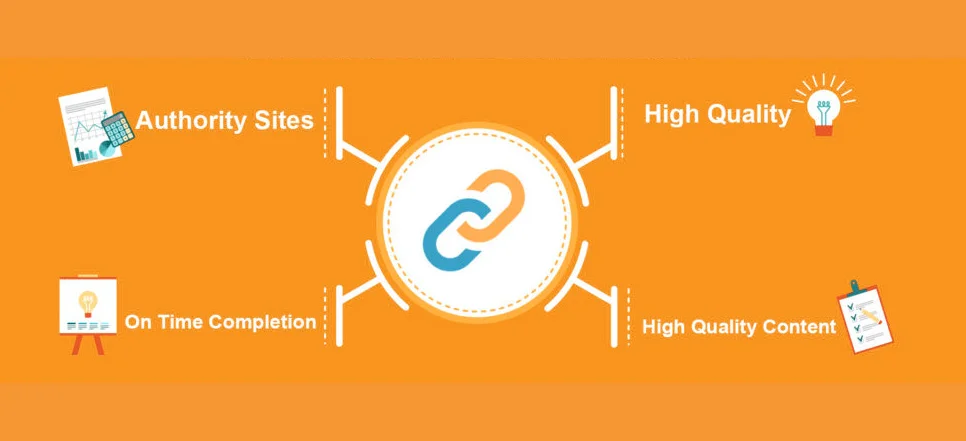
Guest post backlinks are earned through articles you write and publish on another site. Semrush explains guest posts as content you publish on other websites to reach new audiences and possibly earn backlinks.
In SEO backlinking, guest posts sit on a spectrum. Done well, they are closer to editorial because the host site applies real standards and the link is genuinely helpful. Done poorly, they become repetitive, low-value placements that look manufactured. If your goal is long-term SEO and backlink performance, treat guest posting as publishing and audience-building first, and link-earning second.
Brand Mentions and Citations
Brand mentions are cases where another site references your brand, product, or company name. Sometimes they include a link, sometimes they don’t. When a mention includes a link, it can function like an editorial backlink, especially if the mention is in a relevant context.
A practical angle many competitors highlight is unlinked brand mentions. Semrush recommends identifying mentions that do not link to you and requesting a link addition, which can turn a citation into a backlink without requiring a new placement.
Local citations are a related idea. They are structured mentions of business details on directories and listings. They are not always strong “authority backlinks,” but they can support trust and local intent visibility when the listing is relevant and consistent.
Directory and Resource Links
Directory and resource links come from curated lists. Think niche directories, association pages, “best tools” lists, and resource hubs. SEMrush includes these as common backlink types and frames their value around relevance and legitimacy, not raw volume.
For backlinks for SEO, these links help most when:
- The directory is niche-specific and moderated.
- Your listing adds value to users, not just a URL.
- The page is crawlable, indexable, and not stuffed with thin listings.
If the directory exists primarily to sell links or publish auto-generated pages, the SEO backlink benefit is typically weak and can be risky.
Nofollow vs Dofollow Backlinks
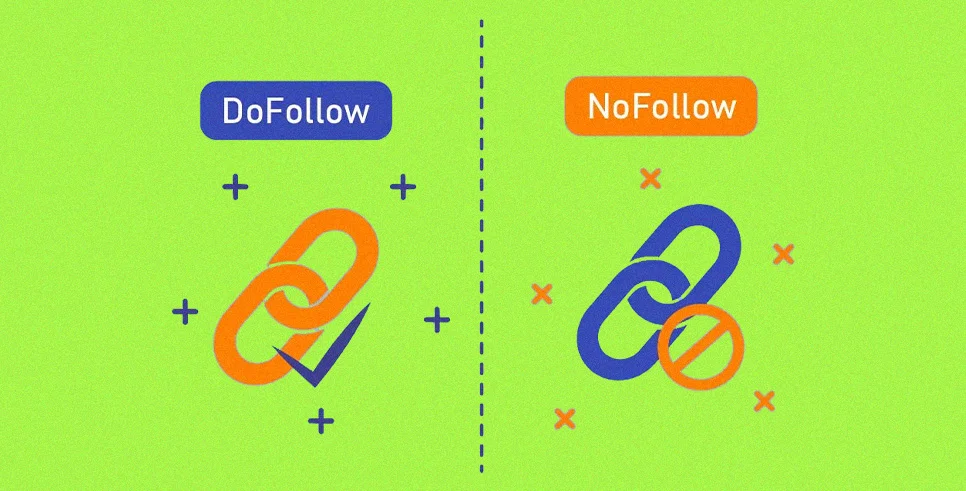
People often simplify links into “dofollow vs nofollow,” but the reality is the rel attribute tells search engines how to interpret the relationship.
Google introduced additional link qualifiers, rel=”sponsored” and rel=”ugc”, and explained that nofollow can be used alongside them. These attributes help classify links. They are treated as hints, which is one reason “are links still important for SEO” depends on link type and context.
How to think about this in a backlinks SEO strategy:
- Dofollow style links. Links without restrictive rel attributes often carry more direct SEO value because they can pass signals.
- Nofollow, sponsored, UGC. These can still be useful for referral traffic, brand visibility, and discovery. They also keep you compliant when a link is paid, user-generated, or promotional.
Other Factors That Affect Backlink Value

Even high-quality backlinks can vary in impact depending on how they are placed, how naturally they are earned over time, and how diverse your backlink sources are. This is why “do backlinks help SEO” is not just about getting links. It is about how those links fit into the broader SEO and backlinks ecosystem. Google also confirms that it uses links both to determine relevance and to find new pages to crawl.
Link Placement and Visibility
Link placement influences how useful a link is to users and how clearly it communicates context to search engines. A contextual, in-content backlink usually sits next to relevant text that explains why the link exists. That supporting context can help Google and readers understand what the linked page is about, especially when the anchor text is descriptive.
By contrast, sitewide links (such as footer or navigation links that appear on every page) constitute a different pattern. Ahrefs defines sitewide links as links that appear on every page, and notes that in link building, backlinks of this type are often considered unnatural and can violate Google spam policies. This is one reason competitors prioritize editorial placement over template-style links in their backlink SEO strategies.
Link Velocity and Natural Growth
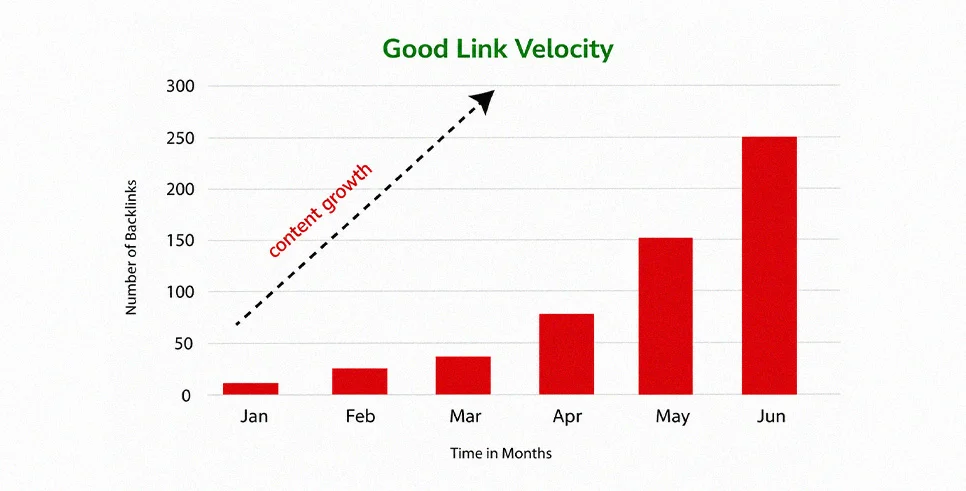
Link velocity is the rate at which a page or domain gains backlinks over time. Ahrefs defines it as links gained per month or referring domains per month.
What matters for backlinking in SEO is not chasing spikes for the sake of it. Unnatural patterns and inorganic link building are exactly what Google’s anti-spam systems try to neutralize. Google’s December 2022 link spam update states that SpamBrain works to neutralize unnatural links. Rankings can change as spammy links are neutralized, and any credit those links pass is lost.
A safer way to think about link velocity is “earned attention.” If a guide goes viral and quickly earns links, that can be normal. If links appear in bursts from unrelated sites, repeated templates, or obvious networks, that is where SEO backlink risk grows.
Diversity of Backlink Sources
Diversity is one of the clearest performance patterns in backlinks research. Backlinko’s analysis of 11.8 million search results found that getting backlinks from multiple different sites appears important. It also states that the number one result has 3X as many referring domains as positions 2 to 10.
That supports a practical interpretation of backlinks SEO. Ten links from ten relevant domains often contribute more than ten links from one domain, because the link graph signal is broader. This is also why “backlinks benefits” is often tied to referring domains rather than raw backlink counts.
Internal Linking vs External Backlinks
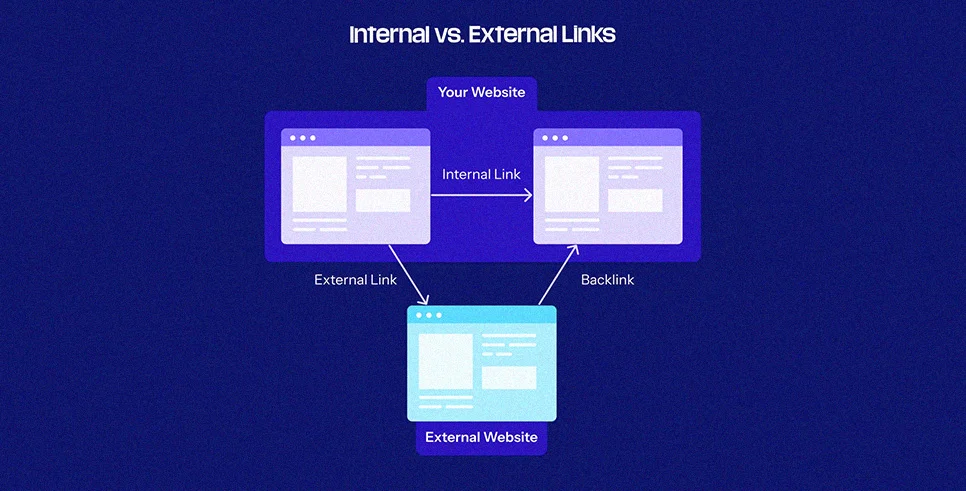
External backlinks help build authority and improve discoverability across the web. Internal links help distribute value and clarity within your own site.
Google explicitly recommends paying attention to anchor text used for internal links because it helps people and Google make sense of your site. It also states that every page you care about should have a link from at least one other page on your site.
When someone asks, “Are backlinks still important for SEO?” the best answer is: “It depends.” External links can raise your ceiling. Internal linking helps you actually capture that value by making key pages crawlable, connected, and contextually supported.
Can You Rank Without Backlinks

Yes, it’s possible to rank in SEO without backlinks. But it depends on query difficulty, intent, and SERP competitiveness. Links still matter because Google uses them as a signal of relevance and to identify new pages to crawl.
Situations Where Ranking Without Backlinks Is Possible
You can rank without building backlinks when the SERP does not heavily reward authority signals, or when your page wins on intent match and relevance.
Common scenarios:
- Low-competition, long-tail keywords. Semrush’s study found that top-performing sites tended to rank for slightly longer keywords, which are often easier. That makes “SEO without backlinks” more realistic on very specific queries.
- Branded and navigation intent. If searchers are looking for a specific brand, product, or unique page, relevance can outweigh backlink profile SEO strength because the query itself narrows competition.
- Fresh, under-served topics. When a few strong pages address a niche question, comprehensive coverage and clean technical SEO can secure early positions.
- Strong internal linking and crawl paths. Even if you lack external backlinks, your important pages can still be discovered and understood through internal linking. Google emphasizes making links crawlable and using descriptive anchor text so it can find and understand pages through links.
Limitations of SEO Without Backlinks
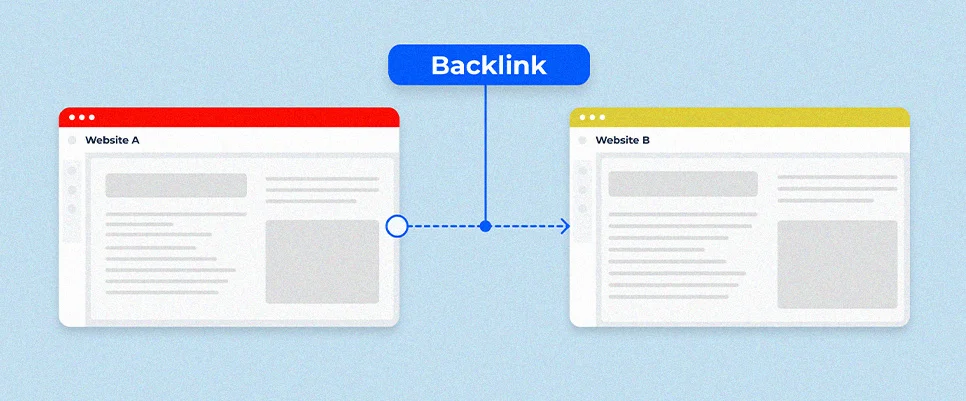
Ranking without backlinks has hard ceilings, especially once you move from niche queries to competitive commercial terms. Key limitations:
- Lower probability of reaching page one. Semrush’s “What Does It Take to Rank” study reports that 55.1% of websites with no backlinks failed to reach the first page within a year. That is a strong indicator of how important backlinks are for real-world SEO outcomes.
- Slower discovery and weaker authority signals. Google uses links to find new pages and evaluate relevancy. If you have no external links, you often rely more on internal links, sitemaps, and time for discovery.
- Less defensible rankings. Without external validation, it’s easier for a competitor with stronger backlinks SEO to replace you as soon as they publish comparable content.
Competitive Niches and Backlink Dependency
In competitive niches, backlinks often become a dependency because top results typically have stronger link profiles.
Backlinko’s analysis of 11.8 million Google search results found that pages with more backlinks tend to rank higher, and that the #1 result has an average of 3.8x more backlinks than results #2 to #10. This is why “are backlinks still important” often becomes “how important are backlinks for SEO in my niche,” because the answer changes when the SERP is crowded with high-authority domains.
Controversial Opinion: Why 90% of Guest Posting Is Now a Waste of Time

⚡ This is our honest assessment based on running link campaigns for 50+ clients. It is not a popular opinion in the SEO industry.
Guest posting is the most recommended link building tactic in SEO. It is also, in our experience, the tactic with the worst return per hour of effort in 2026. Here is why.
The good guest post barely exists anymore.
In 2016, a well-written guest post on a niche blog earned you a real editorial link from a real site with a real audience. In 2026, the “guest post” ecosystem has been so thoroughly monetised that most “opportunities” are paid placements dressed as editorial content. The sites charging $200–$500 per placement are not editorial publications. They are link farms that have learned to look like blogs.
Google knows.

SpamBrain is specifically trained on patterns of link buying and selling. Mass guest posting at scale, same writing quality, same anchor patterns, similar inter-linking between placements — leaves a detectable footprint. Google’s December 2022 link spam update explicitly called out link-buying and link-selling sites. SpamBrain targets both sides of the transaction.
The ROI comparison is stark.
In our case study in Section 3, we earned 53 high-DR editorial links in 30 days with a single data asset and strategic outreach. That same budget and time spent on guest posts in the same period would likely have produced 8–12 links from lower-authority sites, with more manual action risk.
| ❌ The 10% that still works: Guest posting works when: (1) the publication has a real editorial team that rejects low-quality submissions, (2) you are writing for the audience — not for the link, (3) the placement is something you would be proud to show a client without mentioning the link, and (4) the link is a natural byproduct of the content, not the reason you wrote it.
If you cannot say yes to all four, the guest post is probably link spam. And in 2026, link spam is increasingly being ignored rather than penalised, which is arguably worse, because you waste time and resources with zero upside. |
Backlink Strategy and Best Practices

A backlink strategy works when it earns search-engine backlinks that make sense for users and comply with Google’s spam policies. Google uses links both to find new pages and as a signal of relevance, but it can also rank sites lower or omit them if link practices violate spam policies.
Building a Sustainable Backlink Strategy
A sustainable backlinks SEO strategy is built around repeatable, low-risk systems, not one-time spikes. Start with four foundations:
- Define the link target set. Prioritize pages that already satisfy intent and deserve links. Core guides, category pages, product pages, and high-converting service pages.
- Match link sources to topical clusters. Relevance between the linking page and the linked page is the fastest way to avoid dilution. A “What are backlinks SEO?” guide should be linked to from SEO education, marketing strategy, analytics, and webmaster resources.
- Set quality rules before outreach. Avoid link schemes or tactics designed to manipulate search engine rankings. Google’s spam policies state that such behavior can result in demotion or removal.
- Plan measurement and maintenance. Track new and lost referring domains, anchor text mix, and landing page performance. Sustainable backlinking in SEO is ongoing.
Practical positioning. Treat links as citations and distribution. If a link does not drive qualified referral traffic or strengthen reader trust, it should usually not be a priority.
White-Hat Link Building Techniques
White-hat link building means earning links without manipulation, and staying aligned with Google Search Essentials spam policies. Reliable techniques that fit that standard:
- Link reclamation. Identify unlinked brand mentions and request a link where it would improve the reader experience.
- Broken link building. Identify broken outbound links on relevant resource pages, then offer your page as a replacement only when it is a true match.
- Resource page pitching. Pitch curated lists where your content is objectively useful, and avoid generic “add my site” requests.
- Expert contributions. Provide quotes, data, or examples that publishers can cite naturally. The link is a byproduct of contribution.
- Partnership links with transparency. If compensation is involved, use the proper link attributes for paid relationships.
Key compliance detail. When a link is promotional, paid, affiliate, or user-generated, Google recommends using link attributes such as rel=”sponsored” or rel=”ugc”, and treats these attributes, including nofollow, as hints in Search. This matters for long-term backlink SEO stability.
Content-Driven Link Acquisition

Content-driven acquisition is the safest answer to “best way to get backlinks for my website,” because it earns links by increasing the value of the page being linked to. High-performing linkable assets usually fall into a few buckets:
- Original research and data. Surveys, benchmarks, industry stats, and trend reports that others want to cite.
- Definitive guides and glossaries. Pages that answer “what are backlinks for SEO” completely, with examples, definitions, and practical steps.
- Tools, templates, and calculators. Checklists, SEO audit sheets, anchor text frameworks, and SOPs that save people time.
- Unique visuals. Diagrams, flowcharts, and comparison tables that publishers can reference.
- Case studies. Present results before and after, with methodology and context, to ensure the findings are credible.
Two technical best practices that increase the link value once it lands:
- Make pages easy for search engines to crawl and for users to understand. Google’s link best practices emphasize crawlable links and descriptive anchor text, because links help Google discover and interpret pages.
- Use internal linking to support the asset. Strong internal linking helps distribute value and clarify topical relationships, so external backlinks do not land on an isolated page with weak context.
Digital PR and Earned Media Links

Digital PR focuses on earning editorial links from real publications and industry sites. These links often carry strong SEO and backlink value because they are contextual, editorially reviewed, and topically relevant. Effective earned media workflows:
- Build a story angle tied to data. Use proprietary data, industry observations, or a timely analysis that journalists can cite.
- Pitch the right beat and outlet. Relevance is a multiplier. A niche trade publication can be more valuable than a generic mention.
- Create a press-friendly landing page. One page that includes the key findings, methodology, and a clean structure so it is easy to reference.
- Respect disclosure and link attributes. If any placement involves compensation, sponsorship, or affiliate arrangements, use appropriate attributes. Google treats these link attributes as hints and uses them to better understand the nature of links.
- Turn coverage into a system. Repurpose PR wins into secondary link magnets, like follow-up explainers, FAQs, and updated benchmarks.
How to Build Backlinks Effectively
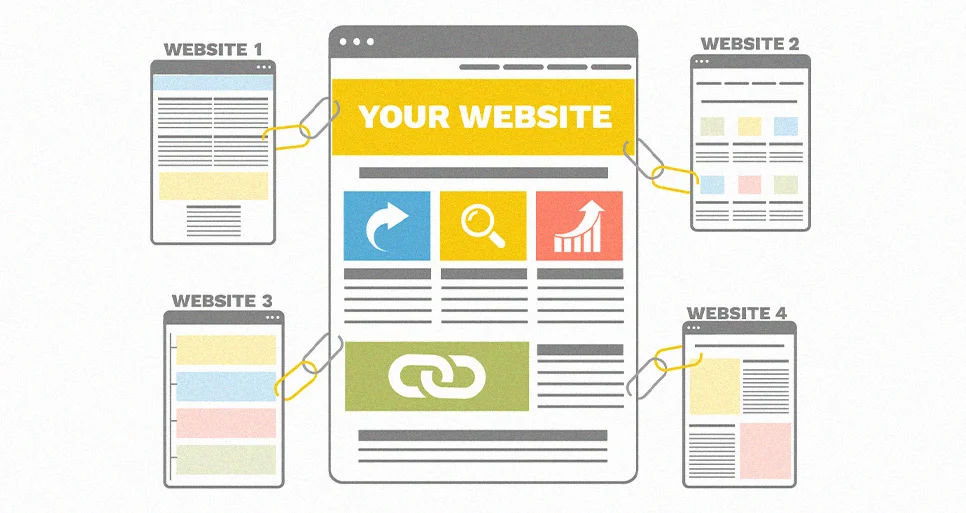
Building backlinks effectively is less about “getting links” and more about earning citations that make sense for users, publishers, and search engines. In search engine optimization, the best results usually come from combining link-worthy assets with consistent outreach and brand credibility, while staying aligned with Google’s spam policies so your links are not penalized later.
Creating Link-Worthy Content
Link-worthy content earns backlinks because it gives other writers a reason to reference you. The strongest formats are pages that answer a high-intent question better than alternatives, offer original data, or provide a tool-like resource that saves time. If your page targets “what are backlinks for SEO” or “what is backlinks SEO,” it becomes more citable when it includes definitions, examples, link types, quality criteria, and clear guidance on “how do backlinks help SEO,” all in one place without filler.
Link-worthiness also depends on presentation. Publishers link more easily when your key points are easy to quote and verify, your methodology is clear when you use data, and your page is technically accessible. Google’s own guidance emphasizes that links help it discover pages, and that crawlable link structures and descriptive anchor text improve understanding. A clean, fast, well-linked page increases the chance that the SEO and backlink value of earned citations is fully captured.
Outreach and Relationship Building

Outreach works when it is rooted in relevance and reciprocity. Instead of asking for a backlink, you offer something that improves the publisher’s page. A missing resource. A better example. Updated data. A clearer definition. A unique visual. The goal is to match your resource to an existing editorial need, so the link is a natural enhancement, not a forced placement.
Competitors also prioritize relationship-building because it increases repeatability. When you consistently provide useful insights or data, publishers remember you and cite you more often, turning SEO backlinking into an ongoing channel rather than a one-off campaign. This is also safer. Google can rank sites lower or omit them when link practices violate spam policies, so building authentic editorial relationships reduces the risk that links are viewed as manipulative.
Guest Blogging for SEO
Guest blogging can support SEO through backlinks when it is treated as publishing, not as link placement. The best guest posts are written for the host site’s audience, bring a new perspective, and add original value. A contextual backlink in SEO should be there because it helps the reader take the next step, for example, linking to a deeper guide, a research page, or a tool. When guest posts are produced at scale with thin content and repetitive anchors, they often become low-quality patterns that undermine the benefits of backlinks.
A clean approach is to use guest blogging to build topical authority and brand reach first, then let links be a byproduct of quality. That mindset aligns with the question “Are backlinks still important for SEO?” today, because the search landscape rewards credibility and relevance more than manufactured volume.
Broken Link Building
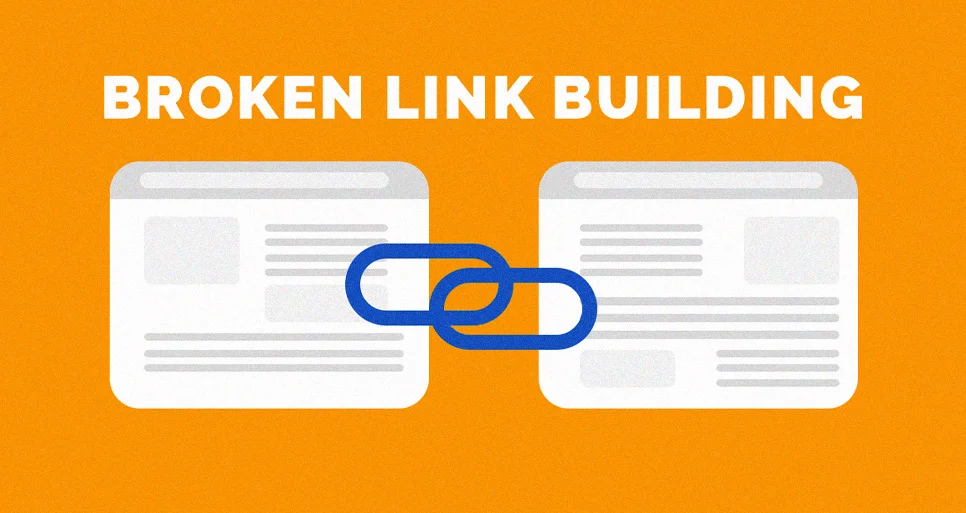
Broken link building is a practical method because it begins with a real problem on someone else’s page. A dead outbound link creates a poor user experience, and publishers often want a relevant replacement. The method works when your replacement is genuinely equivalent to or better than the original, not just “close enough.” If you find a broken link on an SEO backlinking resource page, your pitch should explain why your content is the best replacement and reference the specific section that aligns with the original topic.
This technique also supports sustainable link growth. It tends to produce editorial, contextual links, which are the type most associated with strong backlink SEO outcomes. The key is relevance and honesty, because forced replacements and mass outreach degrade trust and results.
Brand Authority and Thought Leadership

Brand authority reduces the friction of link acquisition. When people already recognize your name, they are more likely to cite your research, reference your definitions, and invite your input. Thought leadership earns backlinks through visibility, not persuasion. Consistent publishing in a niche. Sharing original insights. Participating in industry discussions. Offering commentary that journalists and bloggers can quote.
This is why “how important are backlinks for SEO” is also a brand question. Strong brands earn links naturally through mentions, citations, and coverage, and those editorial links are typically more durable than artificially placed links. Google’s systems also help neutralize unnatural links, making brand-led, earned link acquisition a safer long-term strategy for SEO and backlink performance.
Backlink Monitoring and Maintenance
Backlinking in SEO is not a one-time task. Backlinks change constantly. Publishers update pages, URLs get redirected, sites go offline, and Google’s systems can neutralize unnatural links over time. Google also uses links to discover new pages and assess relevance, so monitoring your backlink profile is part of protecting organic performance, not just growing it.
Tracking Backlinks Over Time
Tracking starts with a reliable baseline. Google Search Console’s Links report is the most direct view from Google of “who links to you,” your top linked pages, and other linking patterns. It is the first place to confirm what Google is actually recognizing as backlinks to a website.
From there, you track trends, not single numbers. The practical signals are how your referring domains evolve, which pages consistently earn links, and whether your strongest pages are still accumulating links naturally. Most competitors pair Search Console with third-party tools because these tools visualize link growth and decline over time, helping you spot shifts earlier and connect them to ranking or traffic changes.
Identifying Lost or Broken Backlinks

Lost links happen for normal reasons. A page gets updated, a site removes a citation, or the linking page disappears. Broken backlinks are more actionable. They occur when an incoming link points to a URL on your site that now returns a 404 error, wasting potential link equity that could support rankings. Ahrefs defines broken backlinks as links that return a 404 error and explains how to find them in the broken backlinks report.
The maintenance play is simple in principle. Either restore the original URL or redirect it to the closest relevant live page so the citation still makes sense to users. When the match is poor, redirecting can create relevance problems, so the best practice is to map each broken target to the most semantically aligned replacement rather than dumping everything into a homepage.
Evaluating Backlink Quality
Backlink quality evaluation is how you answer “how important are backlinks for SEO” in your specific context. Not all links support long-term visibility, and some links add risk. Google’s spam policies describe behaviors that can cause a page or an entire site to be ranked lower or excluded from Search, so quality evaluation also serves as a risk control.
Competitor tools often label suspicious links as “toxic” or risky and provide audit workflows to review them. Semrush’s Backlink Audit positioning is explicitly focused on identifying toxic links and supporting decisions to remove or disavow them when needed. The key is interpretation. You evaluate quality by checking whether the linking page is real and relevant, whether the placement is contextual, whether the site appears well-maintained and editorial, and whether the link is for users rather than purely for search engine backlinks.
Maintaining a Healthy Link Profile
A healthy link profile is stable, diverse, and defensible. It earns new links over time from relevant sources, it does not rely on repeated templates or obvious networks, and it avoids patterns that resemble manipulation. When your profile is healthy, the benefits of backlinks are more consistent. Better organic visibility, greater stability, and lower volatility as spam systems tighten.
Maintenance also includes knowing when to act and when not to. Google’s own guidance on the Disavow links tool is narrow. It recommends removing unnatural links first and using disavow primarily if you have a manual action for unnatural links, or if you believe one is likely due to paid links or link schemes that violate spam policies.
Tools for Backlink Analysis and Tracking
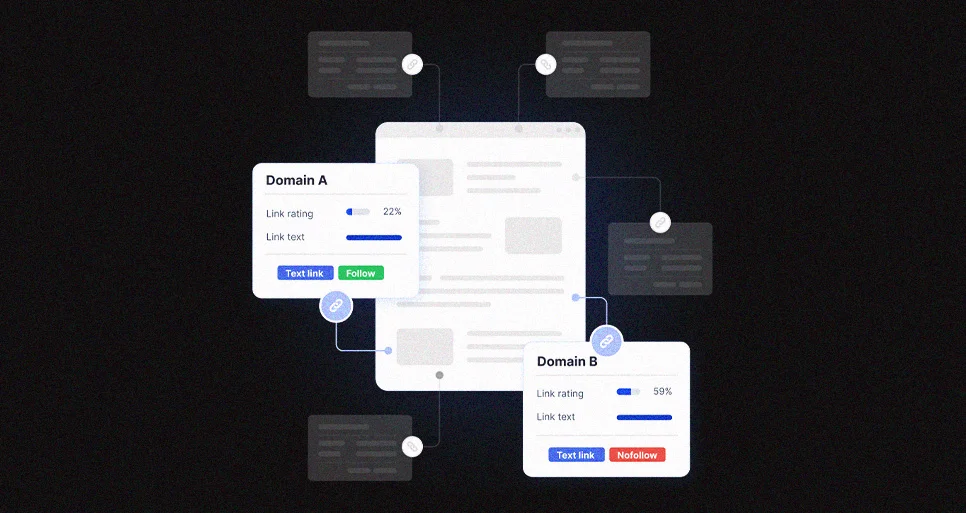
Tools perform two functions in backlink SEO. They show you your current links and help you decide what to build next without creating SEO risk. The best approach is to start with Google’s own view, then layer third-party crawlers for competitive research, historical tracking, and quality signals.
Backlink Analysis Tools
Google Search Console is the baseline because it shows backlinks to a website the way Google reports them. The Links report helps you see who links to you the most, which pages are linked most, and the top linking text. That provides a practical foundation for “how do I check backlinks” and “how many backlinks do I have on my website” before you compare tool databases.
For deeper backlink analysis, SEO teams typically use a crawler-based suite. Ahrefs provides backlink reports that break down linking pages, referring domains, and link attributes such as dofollow and nofollow, and offers filtering to help you isolate patterns and opportunities. Semrush Backlink Analytics is similarly positioned for checking backlinks, referring domains, and backlink profile details across sites, while its Backlink Audit adds risk-focused analysis. Majestic is often used as a second opinion on link quality and quantity through its Trust Flow and Citation Flow metrics, which are designed to separate “how many links” from “how trustworthy are the links.”
The important mindset is that third-party metrics are comparative, not absolute ranking factors. They are still useful for backlinking SEO decisions when you compare like-for-like competitors and look for consistent signals across multiple tools.
Monitoring Competitor Backlinks
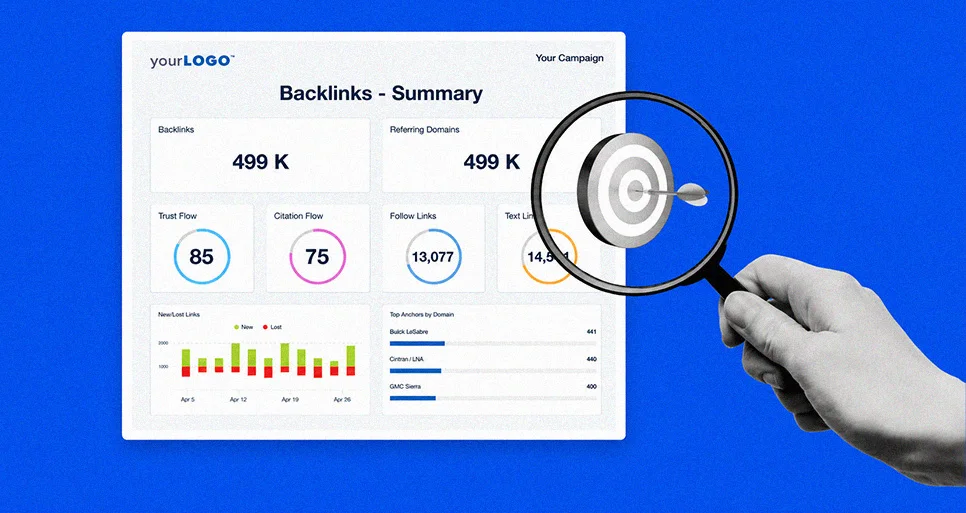
Competitor monitoring is how you turn “backlinks research” into a backlinks SEO strategy. You are not just checking counts. You are reverse-engineering which content assets attract links, which publishers cite competitors, and which pages in your niche receive editorial mentions.
Ahrefs frames its Backlinks report around seeing all competitor backlinks, identifying high-impact links, and viewing historical changes, which is essential for spotting link velocity shifts and link loss on competitor pages. Semrush supports similar competitive workflows in Backlink Analytics and often pairs them with auditing to help you separate real editorial backlinks from patterns that appear manufactured.
In practice, the highest value competitor insights usually come from overlap analysis. Sites that link to multiple competitors but not to you are often the most realistic outreach targets, because they already cite content like yours. That is one of the most efficient answers to “how to get backlinks for SEO” without diluting topical relevance.
Auditing Backlinks for SEO Risk
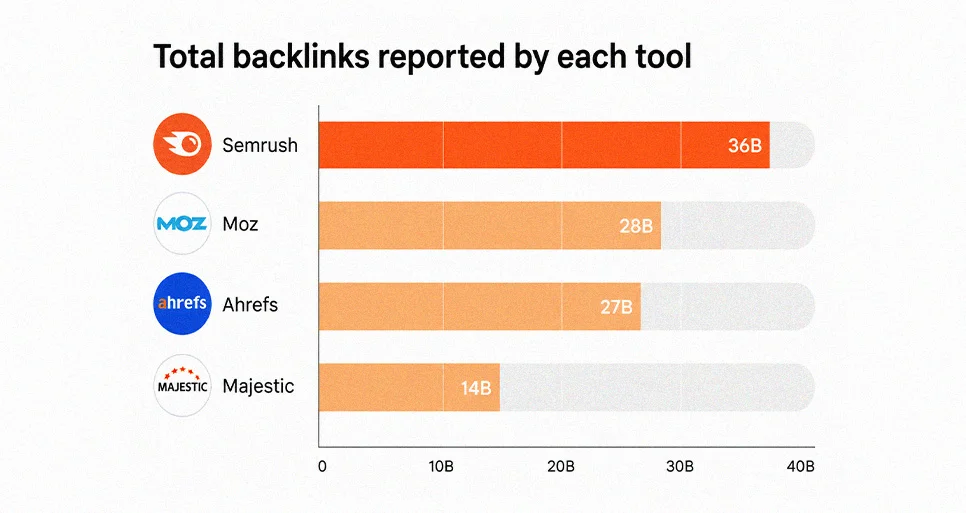
Auditing is where “are backlinks still important for SEO” meets modern reality. Links can help, but spam systems can also neutralize unnatural links and leave you with no benefit. The audit goal is to keep a healthy link profile that is defensible and aligned with Google’s rules.
Google’s spam policies explain that tactics designed to manipulate Search systems can cause a page or an entire site to be ranked lower or omitted. That is why audits focus on patterns like unnatural placements, irrelevant link sources, repeated anchors, and obvious networks. Google also provides clear guidance on the Disavow tool. It is primarily for cases involving manual action for unnatural links, or a strong reason to believe you may receive one, and Google recommends attempting removal first.
Semrush’s Backlink Audit tool enables risk review with a Toxicity Score, toxic markers, and a built-in disavow workflow, which many teams use to prioritize which links to inspect first. The safest way to interpret these scores is as triage, not as an automatic verdict. You still validate context, relevance, and intent, then decide whether a link is harmless, helpful, or risky.
Common Backlink Mistakes to Avoid
Backlinks SEO gains are easiest to protect when your link decisions follow a simple rule. Every backlink should serve the reader first, and only then support search signals. Google’s spam policies make clear that manipulative tactics can cause a page, or an entire site, to rank lower or be omitted from search results.
Buying Backlinks and Paid Link Risks

The main risk of buying backlinks is not getting exposure. The risk is paying for links that attempt to pass ranking credit. Google introduced link attributes to help classify link intent. In particular, rel=”sponsored” and rel=”ugc” were added, and Google states that sponsored, ugc, and nofollow are treated as hints when deciding how to use links in Search. When a paid relationship exists, correctly qualifying the link matters because it sets expectations for how the link should be interpreted and reduces the risk that a paid placement becomes a policy issue.
Spammy and Low-Quality Link Sources
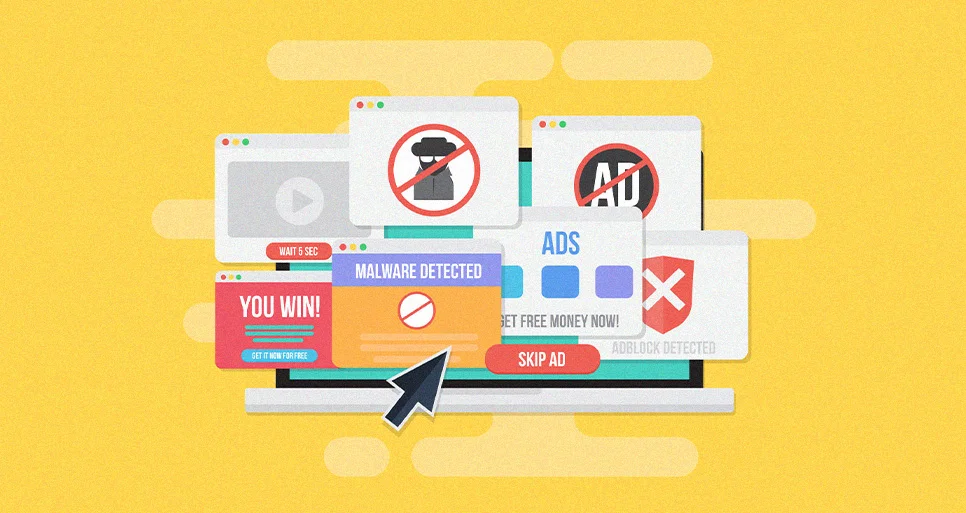
Spammy sources are usually easy to recognize once you stop looking at counts and start looking at purpose. Pages that exist mainly to publish outbound links, sites with auto-generated thin content, and networks that reuse the same templates across many domains often fail the “would a real user trust this citation?” test. Google’s spam policies describe spam as techniques used to deceive users or manipulate Search systems, and those behaviors can lead to lower ranking or omission.
If you inherit bad links, the correct response is not to panic. Google’s disavow guidance recommends removing as many spammy or low-quality links as possible first, noting that problematic links can come from paid links or other link schemes that violate spam policies. This is how you keep SEO and backlinks moving forward without carrying avoidable risk.
Over-Optimized Anchor Text
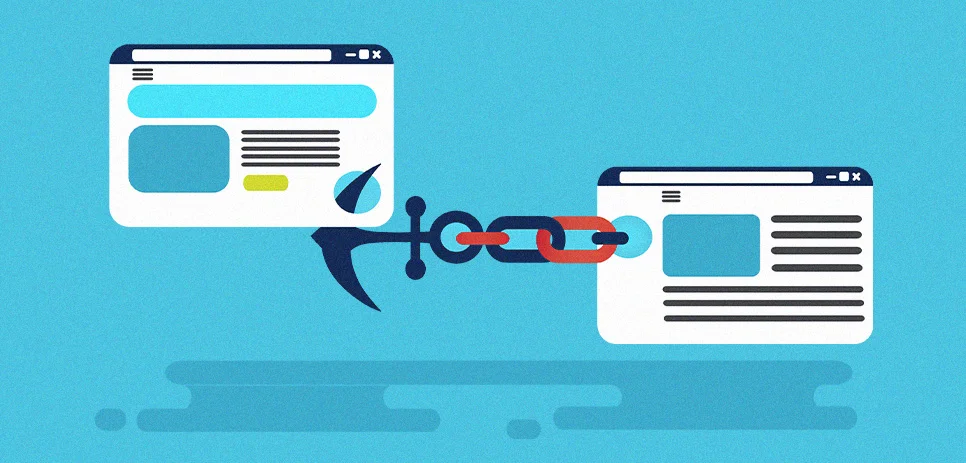
Anchor text is a relevance cue, so it is tempting to force keyword anchors at scale. That is where over-optimization begins. Google’s link best practices explicitly call out improving anchor text to make it easier for people and Google to understand your content. A natural backlink profile typically includes a mix of branded anchors, partial phrases, and descriptive references. When multiple sites repeatedly use the exact same money keyword, the pattern appears manufactured rather than editorial.
Ignoring Relevance and Context

Relevance and context decide whether a backlink is a useful citation or just a random connection on the web. Google states that it uses links as a signal when determining page relevance and identifying new pages to crawl. That means the topical relationship between the linking page and the linked page, as well as the surrounding context, matters. A link placed where readers would expect a reference typically conveys a clearer meaning than a link dropped into unrelated content, even if the domain appears strong on paper.
Potential Pitfalls and SEO Risks of Backlinks

Backlinks can improve SEO performance, but the risk side is real. Most modern “backlink penalties” are not dramatic punishments. They are either manual actions for clear violations or algorithmic systems that simply remove the benefit of unnatural links, which can feel like a sudden drop if those links were propping up rankings.
Google Penalties and Manual Actions
A manual action is the clearest link-related risk because Google explicitly flags it in Search Console. In the Manual actions report, Google lists link-based actions such as “Unnatural links to your site” and “Unnatural links from your site,” and links them to violations, including buying links or participating in link schemes, to manipulate rankings. The practical impact is that “backlinks SEO” may stop working as expected, as some or all of your site may be affected until the issue is addressed.
Recovery is process-driven. You identify the link behavior that triggered the action, remove or neutralize the cause (for outbound links, this can mean fixing or qualifying those links). Then you document what you changed and file a reconsideration request. Google has also warned that repeated violations after reconsideration can make a successful reconsideration harder, so cleanup must be substantive, not cosmetic.
Toxic Backlinks and Disavowal
“Toxic backlinks” are mostly a tool concept, not a Google label. Ahrefs makes this point directly. Many tools flag links as “toxic” based on patterns or domain signals, but that does not automatically mean those links are actively harming you, or that disavowing them will help.
Disavowal is best viewed as an escalation path, not routine maintenance. Google’s Disavow links guidance is explicit. It’s an advanced feature. It should primarily be used if you have a manual action for unnatural links, or if you strongly believe you’re about to receive one due to paid links or link schemes, and you have already tried to have the links removed. Google also warns that using it incorrectly can hurt performance.
So the risk isn’t only “bad links exist.” The risk is acting on the wrong links, for the wrong reason, with the wrong tool. A safer workflow is to treat toxicity scores as a triage indicator. You manually review the linking page’s intent and relevance, then decide whether to ignore, request removal, or disavow in the narrow situations Google describes.
Algorithm Updates and Link Evaluation
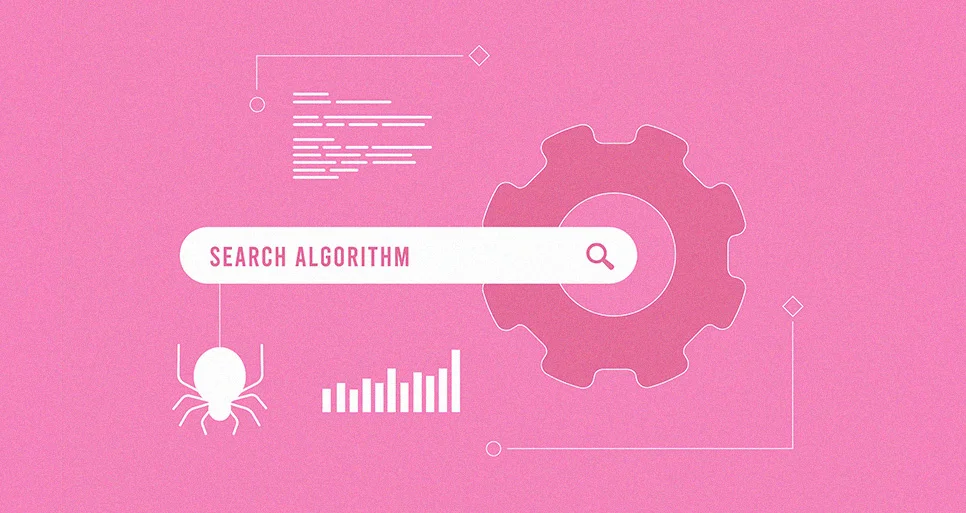
Algorithmic link evaluation has shifted toward discounting and neutralization. That change matters when people ask, “Are backlinks still important for SEO?” Yes. But unreliable link tactics are less likely to provide a durable benefit.
A key turning point was Penguin’s inclusion in Google’s core algorithm in 2016, announced as a rollout in which Penguin runs as part of the core systems. This signaled a more continuous, granular link evaluation rather than occasional refresh cycles.
More recently, Google’s December 2022 link spam update describes a direct outcome. Rankings may change as spammy links are neutralized, and any credit from unnatural links is lost. Google also ties this to SpamBrain and improves spam detection around link-buying and link-selling sites.
Google’s general spam update documentation reinforces this model. SpamBrain is an AI-based system that is continually improved to detect new types of spam. Practically, this creates a common “pitfall” pattern. A site doesn’t receive a manual action, but visibility drops because link value disappears, and the only real fix is to earn legitimate links and strengthen relevance signals over time.
Backlinks and Long-Term SEO Sustainability

Long-term sustainability is not about getting more backlinks. It’s about building a backlink footprint that keeps its value as Google’s link evaluation evolves. Competitor playbooks from Semrush, Ahrefs, and Backlinko converge in the same direction. Earn editorial links through genuinely useful assets, diversify where those citations come from, and avoid anything that looks engineered for ranking credit.
Building Links That Withstand Algorithm Changes
Links that survive algorithmic shifts tend to have a clear editorial rationale. A publisher cites your page because it adds information, evidence, or an example that improves their content. That’s the kind of search engine backlinks profile that keeps working even when spam detection gets stricter.
Google’s direction here is clear. When the company launched the December 2022 link spam update, it explained that rankings can change as spammy links are neutralized and any credit from unnatural links is lost. This makes “backlinks SEO strategy” less about volume and more about defensibility. If a link could be removed without anyone noticing, it’s usually the first type to lose value.
A newer risk pattern also matters for durability. Google has updated and clarified its site reputation abuse policy to target third-party content that exploits a host site’s ranking signals. Sustainable SEO and backlinks growth avoids that footprint by keeping link acquisition tied to first-party value, not rented reputation.
Backlinks as a Long-Term SEO Asset
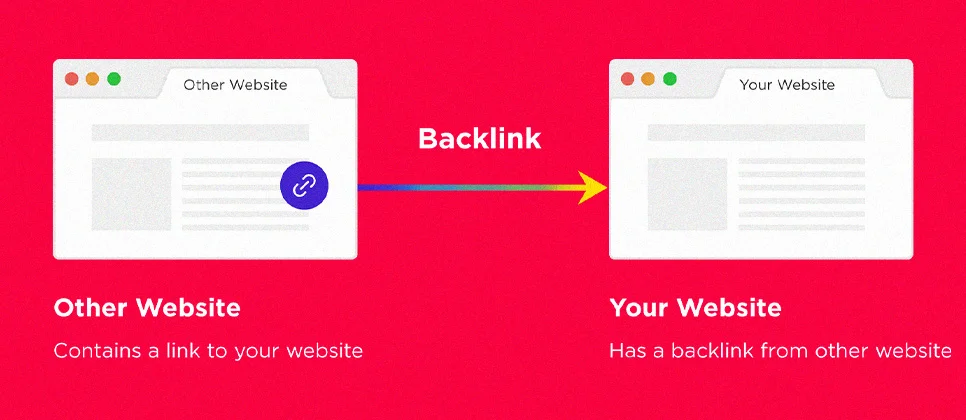
Backlinks behave like a compounding asset when they point to pages that remain relevant. A strong evergreen guide, research hub, glossary, or tool can continue to earn citations for years, so the benefits of backlinks accumulate rather than reset every quarter. This is why “are backlinks still important for SEO” is often answered by looking at the same few pages on winning sites. Those pages continue to attract links because they remain useful.
Competitor frameworks emphasize building linkable assets that can repeatedly earn mentions, then using internal linking to spread that authority to related pages. Ahrefs and Semrush both frame link building around creating resources that deserve to be referenced, not just pages that exist to rank. In practical terms, backlinks and SEO performance become more stable when your strongest links land on pages that remain accurate, updated, and easy to cite.
Future-Proof Link Building Approaches
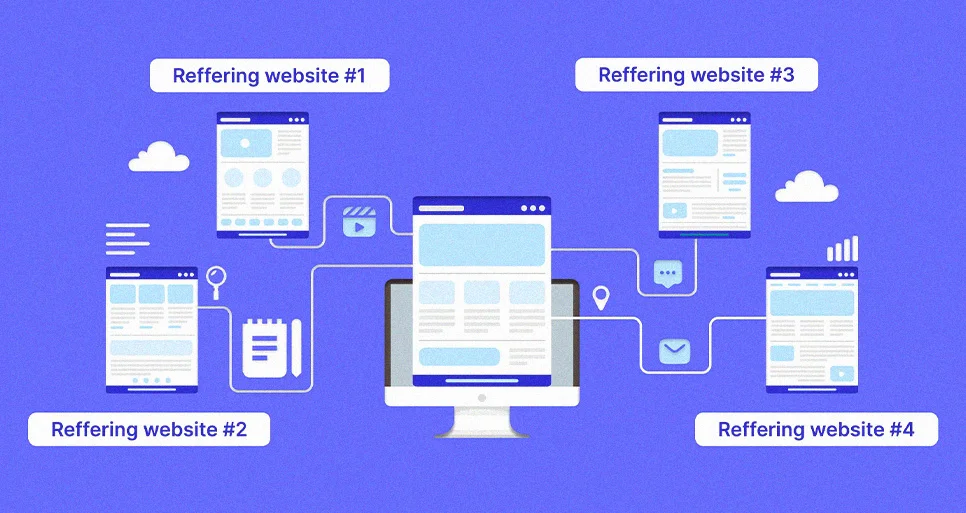
Future-proofing is about earning links the same way strong brands do. Through reputation, data, and usefulness. The most resilient approaches are content-led and PR-led, not placement-led.
Data-led campaigns and research pages are among the safest engines because they provide writers with concrete evidence to cite, which naturally generates editorial links. Ahrefs’ expert roundups and Backlinko’s strategy library repeatedly highlight data-driven pitching, linkable assets, and publisher-focused outreach as repeatable ways to earn links that “stick.” Semrush’s strategy guidance also prioritizes quality-focused methods that build authority over time rather than chasing quick link spikes.
The other future-proof lever is maintaining the asset you earned links to. If your cited URL breaks, the value leaks. Competitor guides increasingly treat link retention as part of the strategy, not an afterthought, by reclaiming lost links and preventing link rot through proper redirects and content upkeep.
Backlinks in Modern SEO, Sustainable Influence and Real-World Impact
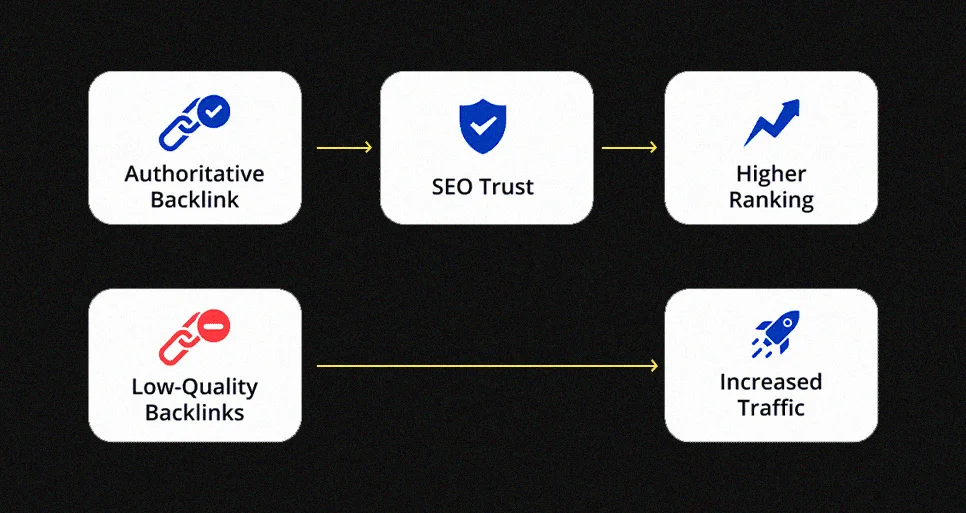
Backlinks remain a core part of SEO because they are the web’s citation system. Google still relies on “URL discovery,” where new pages are found when Google extracts links from pages it already knows. That makes backlinks a practical signal for both discovery and confidence, especially when the link comes from a page that already sits in a trusted topic neighborhood.
Are backlinks still important for SEO in competitive results? The best available large-scale studies still show a strong relationship between links and top positions. Backlinko’s analysis of 11.8 million results found that the #1 page averages 3.8x more backlinks than results #2 through #10, which explains why backlinks continue to appear as a separator when many pages are similarly relevant.
The sustainable takeaway is that SEO and backlinks work best when links support content already worth ranking for. Treat backlinks as one lever inside a holistic system. Content earns relevance, technical SEO keeps pages accessible and stable, and backlinks add external validation and reach. Shortcuts are less durable because Google’s link spam systems can neutralize unnatural links and remove any credit they were passing.
If you are looking for help with SEO and rankings, COLAB DXB supports sustainable link growth through SEO services built on a strong foundation. As a web design and development agency, we first strengthen technical SEO, site architecture, and content depth so backlinks reinforce pages that already deserve to rank. Then we focus on earned coverage, relevant partnerships, and authority signals that fit your niche, helping links drive discovery, trust, and long-term visibility without relying on risky shortcuts.


About The Author
Sid hasan
Sid Hasan is an entrepreneur and marketing strategist recognized for his expertise in brand growth, digital innovation, and business development. With over a decade of experience, he has guided companies in building data-driven marketing ecosystems that generate measurable results.
As the founder of COLAB Marketing Inc., Sid leads a global agency serving over 200 brands across the U.S. and UAE, blending creative storytelling with performance-driven strategy to help businesses scale effectively.
Through COLAB, he continues to empower emerging and established brands to transform ideas into lasting market impact through strategic clarity, creative execution, and digital excellence.
