Introduction to Rapid Prototyping

Rapid prototyping is now a core method in product design, software development, and UX workflows. Digital products, platforms, and applications change quickly. Teams need ways to validate ideas sooner. They also need to reduce risk. They need better decisions before committing to full development.
Rapid prototyping supports that. It shifts learning earlier in the process. Instead of waiting for a finished build, rapid prototyping enables designers, engineers, and stakeholders to visualize concepts early. They can test them. They can refine them. This applies to physical product prototypes. It also applies to digital and UX prototypes. Rapid prototyping enables faster iteration. It also creates clearer feedback. It improves alignment between business goals and user needs.
What Is Rapid Prototyping
Rapid prototyping is a design and development approach. It focuses on quickly creating prototype models that represent a product, system, or interface. The definition of rapid prototyping is simple. You build a rapid prototype early in the product lifecycle. You test ideas sooner. You evaluate them. You improve them through rapid iteration.
Prototypes can vary in fidelity. They can be low-fidelity sketches. They can be wireframes. They can be interactive prototypes. They can also be functional digital prototypes.
The meaning of rapid prototyping is not only speed. It is learning through making. Teams use prototypes for humanity-centered design. They use them for usability testing. They use them for stakeholder alignment. They use them for technical validation. This helps uncover usability issues early. It also reveals technical constraints. It can clarify market fit before expensive decisions get locked in.
Rapid prototyping is used across many disciplines. It includes rapid software prototyping. It includes UX rapid prototyping. It includes a mobile application prototype design. It includes physical product prototypes. The purpose stays consistent. It turns abstract ideas into tangible prototype products. Those products can be reviewed. They can be tested. They can be refined.
How Rapid Prototyping Works
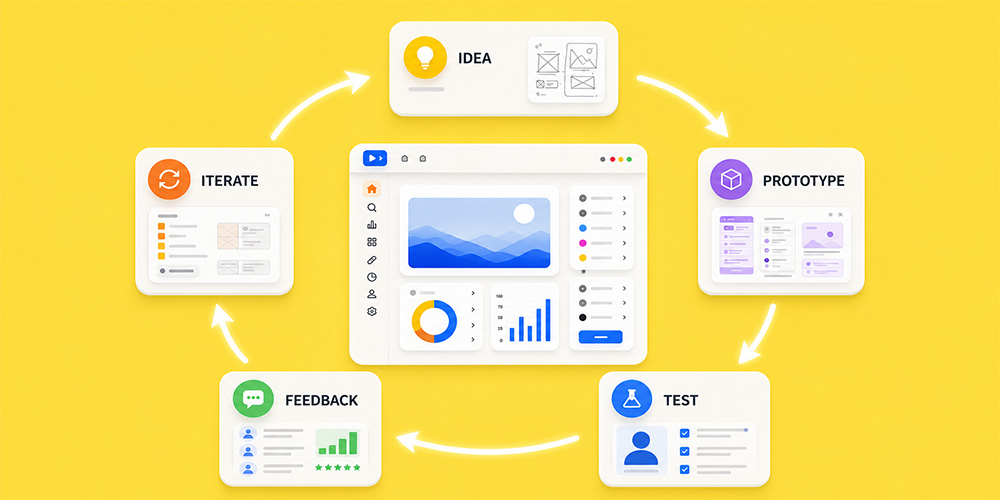
The rapid prototyping process is structured, but flexible. It is designed for speed and learning. Many teams follow a similar prototype development process. They define goals first. They built a quick prototype next. They test it with users or stakeholders. They collect feedback. They iterate rapidly.
This approach is often referred to as a rapid prototyping methodology. It prioritizes experimentation. It prioritizes improvement. It does not chase perfection in the early stages.
In practice, prototyping rapid workflows can take different forms. Teams may sketch. They may wireframe. They may build clickable UX prototypes. They may build lightweight functional models. Tools for fast prototyping reduce cycle time. Teams can produce digital prototypes or interactive prototypes in hours or days. They do not need weeks. Each iteration improves the prototype model. It can improve usability. It can improve performance. It can improve clarity. The changes are driven by real feedback.
Rapid prototyping processes align well with design thinking. They also align with agile development. Teams do not follow a strict linear path. They move through cycles of build, test, and learn. This is why rapid prototyping could be an advantageous methodology for complex products. Requirements can evolve. Assumptions need repeated validation.
Why Rapid Prototyping Is Important in Product Design
Rapid prototyping matters because it reduces uncertainty. It helps teams find issues before they become expensive. Building a prototype product early can reveal design flaws. It can expose usability gaps. It can surface technical risks. This is valuable in product design and prototyping. UX, functionality, and feasibility must align from the start.
Rapid prototyping also speeds decision-making. Stakeholders can interact with prototypes. They do not need to guess from abstract specifications. This improves collaboration. It speeds approvals. It creates a shared understanding of the product vision.
Rapid prototyping also supports innovation. It encourages experimentation. Teams can test multiple ideas. They can compare prototype variations. They can explore feature concepts. They can do this without committing to full development.
From UX prototypes to rapid software prototyping, rapid prototyping enables continuous improvement. It supports user-centered design. It helps validate assumptions. It improves usability. It reduces late-stage revisions. In competitive markets, rapid prototyping is not only a design technique. It is a strategic advantage. It helps businesses move faster. It helps reduce risk. It helps teams build products that better match real user needs.
The Importance of Rapid Prototyping

Rapid prototyping has moved from a supporting design activity to a central pillar of modern product development. Markets move faster. User expectations keep rising. Teams cannot afford long feedback cycles. They also cannot afford late-stage design corrections. Rapid prototyping enables faster learning. It enables earlier validation. It supports more confident decision-making across product design, software development, and UX workflows. By turning ideas into testable prototype models early, organizations reduce waste. They improve outcomes. They accelerate time to market.
Role of Rapid Prototyping in Modern Product Development
In modern product development, rapid prototyping bridges the gap between concept and execution. Teams do not rely only on static documentation. They use rapid prototype development to visualize requirements. They test assumptions. They align stakeholders before full production begins. This supports agile and design thinking methodologies. Rapid iteration and continuous feedback are essential in both.
Industry data reinforces the shift. McKinsey reports that companies that prioritize rapid iteration and user-centered design are up to 32 percent more likely to outperform competitors in revenue growth. Rapid prototyping contributes to that advantage. It enables faster experimentation. It enables clearer validation. It works across formats. That includes UX prototypes, rapid software prototyping, and physical product prototypes. It also helps teams adapt as requirements evolve.
Rapid prototyping improves cross-functional collaboration. Designers, developers, marketers, and decision-makers can review the same prototype product. This reduces misalignment. It reduces rework. It shortens development cycles. It improves product quality across industries.
Rapid Prototyping vs Traditional Product Design
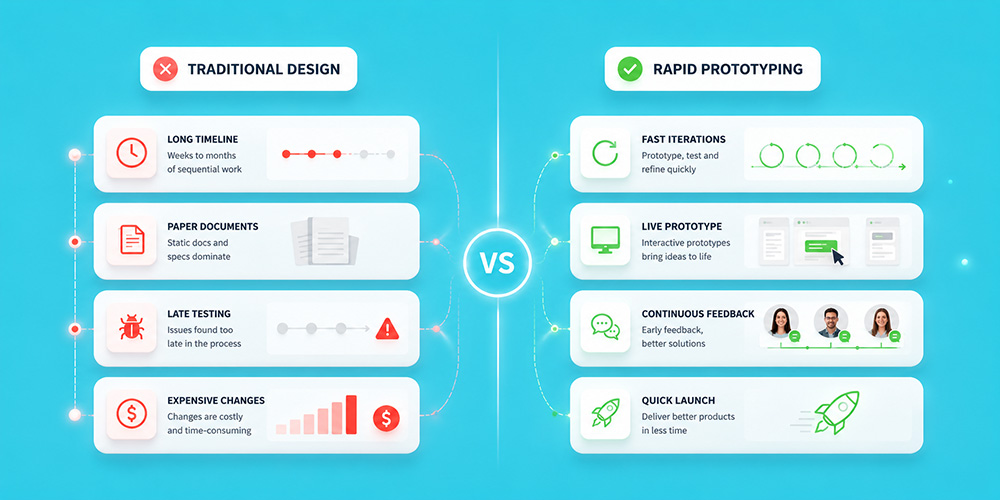
Traditional product design is often linear. Requirements get finalized. Designs get approved. Development begins. There is limited room for change. This can work for stable, well-defined products. It struggles in fast-moving or user-driven markets. Changes found late are costly. They are time-consuming. They are risky.
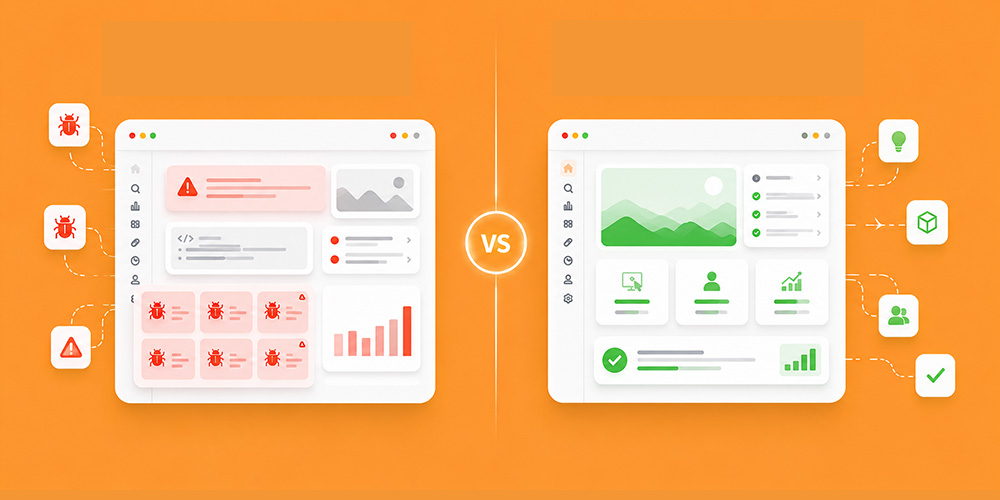
Rapid prototyping works differently. Teams do not try to perfect designs up front. They create quick prototypes early. They refine them through testing and iteration. This reduces downstream costs. IBM research shows that fixing an issue after development can cost up to 100 times more than addressing it during the design phase. Rapid prototyping targets that gap. It surfaces usability issues early. It surfaces technical issues early. It surfaces logic issues early.
Rapid prototyping also supports flexibility. Teams can explore multiple prototype models. They can test alternatives. They can adapt based on evidence, not assumptions. Compared with traditional methods, rapid prototyping workflows deliver better user outcomes. They also lead to more resilient products.
How Rapid Prototyping Reduces Risk and Uncertainty
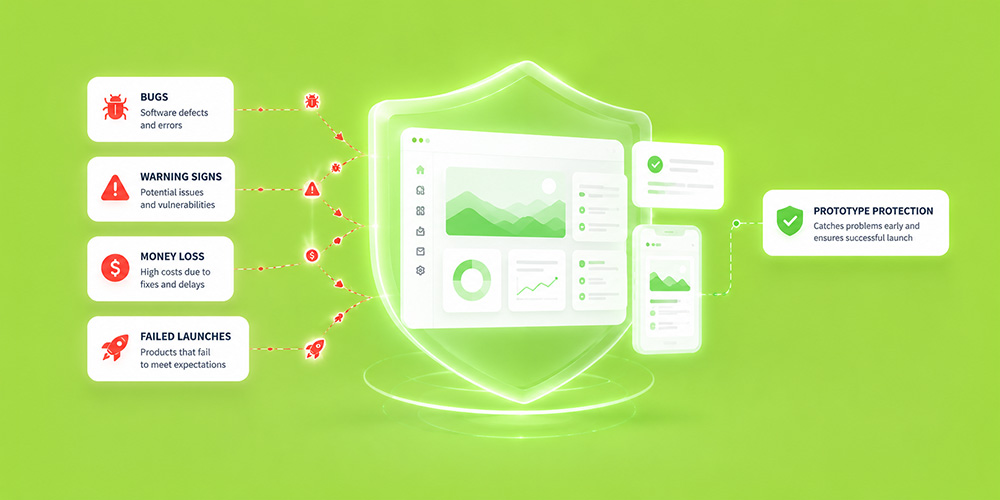
Rapid prototyping reduces risk. Product failure often comes from unmet user needs. It can come from unclear requirements. It can come from technical feasibility issues. Rapid prototyping addresses these risks before significant investment is made.
With rapid prototyping methodology, teams can test usability. They can test performance. They can test value propositions with real users. Early feedback reduces uncertainty about what to build. It also reduces uncertainty about how to build it. The Nielsen Norman Group reports that usability testing with prototypes can uncover over 80 percent of major user experience issues before development begins. That can save months of rework.
Rapid prototyping also lowers financial risk. Building a prototype is cheaper than developing a full product. It enables fast failure. It enables quick learning. It supports pivots without major losses. In competitive environments, reducing uncertainty while moving quickly is a decisive advantage. Rapid prototyping turns product development from a high-risk bet into a controlled, learning-driven process.
Benefits of Rapid Prototyping
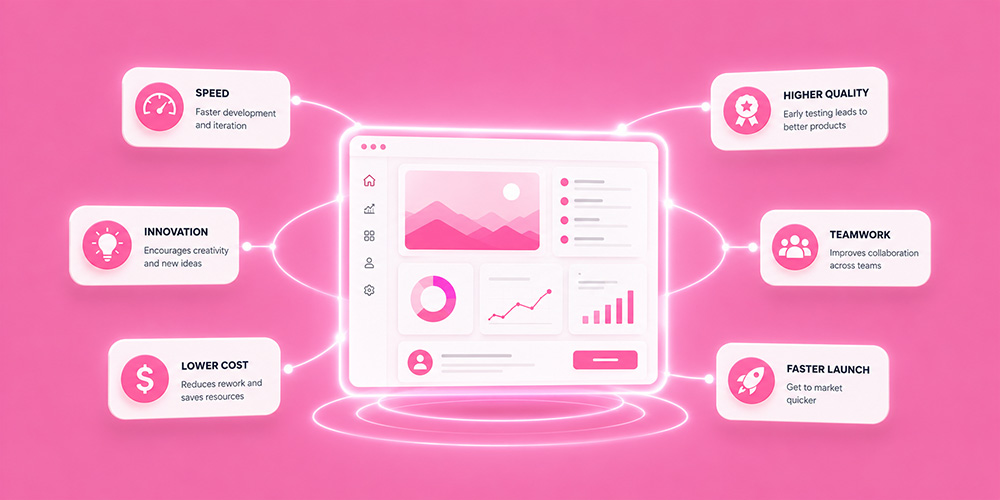
Rapid prototyping delivers measurable advantages in speed, cost control, product quality, and decision-making. Product cycles are shorter. Competition is tougher. The benefits of rapid prototyping go beyond design convenience. It becomes a strategic capability. It helps teams validate ideas early. It helps reduce waste. It helps launch stronger products with more confidence.
Exploring New Ideas and Concepts Faster

One key benefit of rapid prototyping is the speed with which it enables idea exploration. Teams can test concepts without committing to full development. They turn assumptions into rapid prototypes. Those prototypes are visible. They are testable. They are comparable. This accelerates innovation. It lets teams evaluate multiple ideas side by side using real feedback.
In product design and UX, rapid prototyping supports experimentation with layouts, flows, features, and interactions. It happens before technical constraints slow progress. IDEO’s design thinking framework emphasizes early prototyping. It increases creative output by preventing teams from being locked into a single solution too soon. Fast prototyping shifts the discussion from “what if” to “what works.” That matters in competitive markets.
Minimizing Development and Iteration Costs
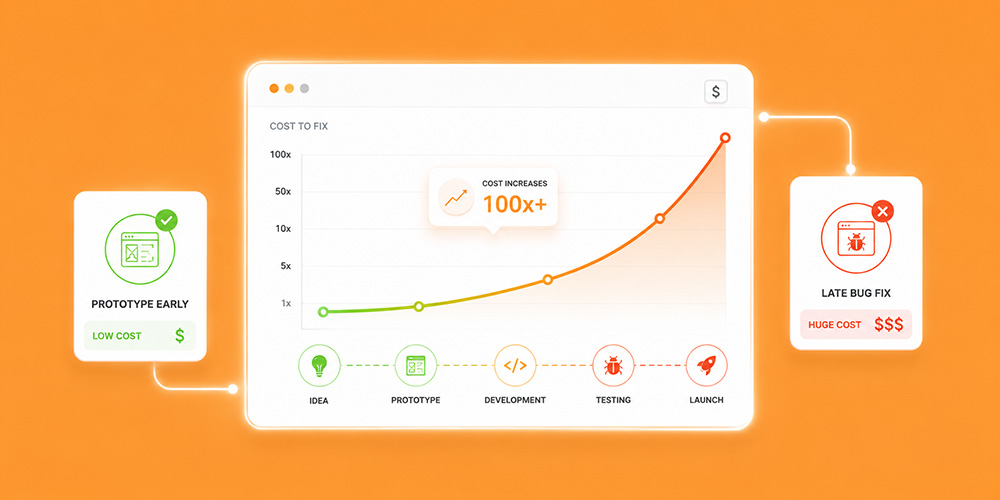
Rapid prototyping lowers overall development costs. It finds problems before they become expensive. Many issues are usability-related. Others are logic-related. Some are technical feasibility issues. These are cheaper to resolve at the prototype stage than after development or launch.
IBM research, commonly cited in product development studies, shows that fixing defects during the design phase can cost up to 100 times less than fixing them after release. Rapid prototyping methodology targets this cost gap. It front-loads validation. By testing prototype models early, teams avoid unnecessary features. They reduce rework. They allocate budgets more efficiently.
This cost efficiency applies to digital products. It applies to rapid software prototyping. It applies to physical product prototypes. Rapid prototyping becomes financially responsible. It is not just an added expense.
Faster Time to Market
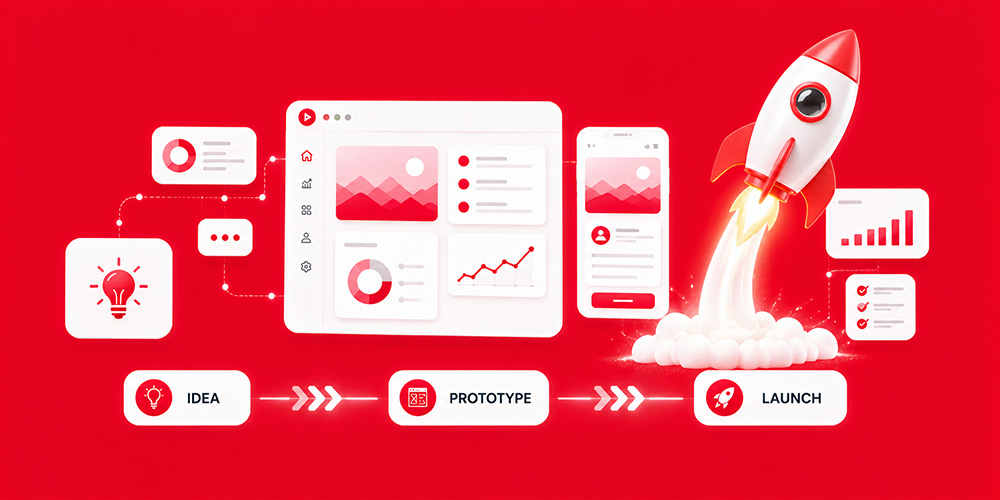
Speed is a competitive advantage. Rapid prototyping shortens the path from idea to launch. Teams validate designs early. They reduce back-and-forth during development. They enter production with clearer requirements. They have fewer unknowns.
McKinsey reports that organizations using agile and rapid iteration practices can reduce time-to-market by 20 to 50 percent. Rapid prototyping supports this. It enables faster approvals. It creates earlier stakeholder alignment. It improves handoffs between design and development. Teams avoid late restarts. They iterate continuously. They move forward with confidence.
Improved Product Quality Through Early Testing

Product quality improves when users interact early. Rapid prototyping enables usability and experience testing long before launch. It helps uncover issues that would otherwise reach customers.
The Nielsen Norman Group reports that usability testing with prototypes can identify most critical UX problems before development begins. This early insight improves interface clarity. It strengthens workflows. It reduces post-launch fixes. This applies to UX rapid prototyping. It also applies to product design. Early testing aligns the final product with real user behavior rather than assumptions.
Better Team Collaboration and Alignment
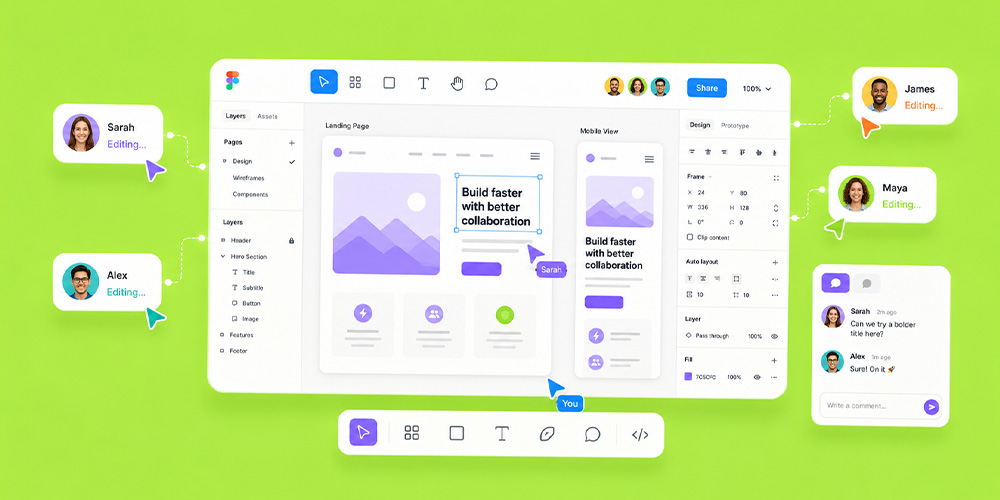
Rapid prototyping improves collaboration. It gives teams a shared reference point. Designers, developers, product managers, and stakeholders can interact with the same prototype. They do not rely only on abstract requirements. They do not rely only on static documents.
This reduces misunderstandings. It speeds up decision-making. When teams can see and test a rapid prototype, discussions become more objective. They become more productive. Harvard Business Review studies highlight cross-functional alignment as a strong predictor of product success. Rapid prototyping supports this. It makes ideas tangible early.
Higher Chances of Successful Product Launch
These benefits compound. The result is a higher likelihood of a successful product launch. Products built with rapid prototyping are more likely to meet user needs. They are more likely to stay within budget. They are more likely to launch on time.
CB Insights reports that a top reason products fail is a lack of market need. Rapid prototyping reduces that risk. It validates demand early. It validates usability. It validates value before full investment. By the time development begins, the product has been shaped by real feedback. Assumptions have been tested. Decisions have been refined.
Types of Prototypes
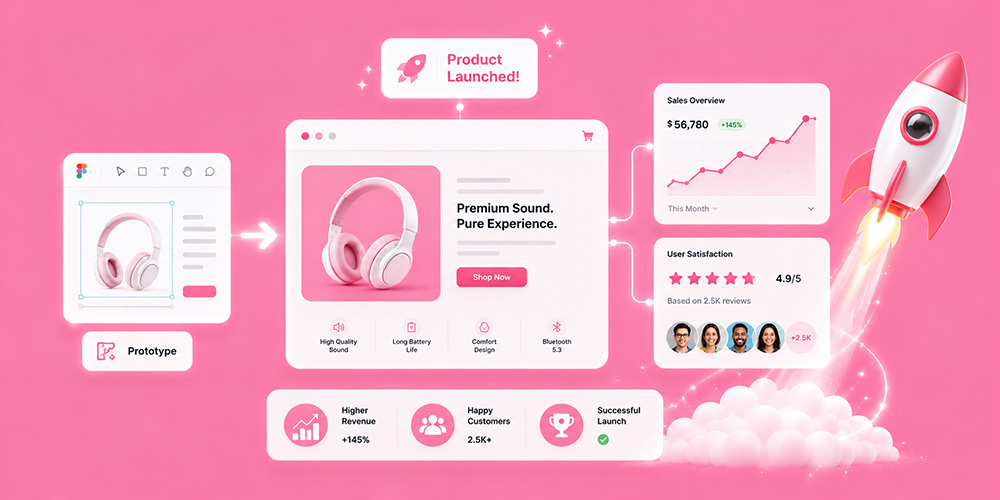
Rapid prototyping is not one fixed deliverable. It comes in different formats. Each format fits a different stage of product design. Each stage needs a different level of detail. Each stage needs a different level of validation and investment. Knowing the main types of prototypes helps teams choose the right approach. It improves speed. It improves accuracy. It supports better decisions. It also prevents wasted time and resources.
Low-Fidelity Prototypes
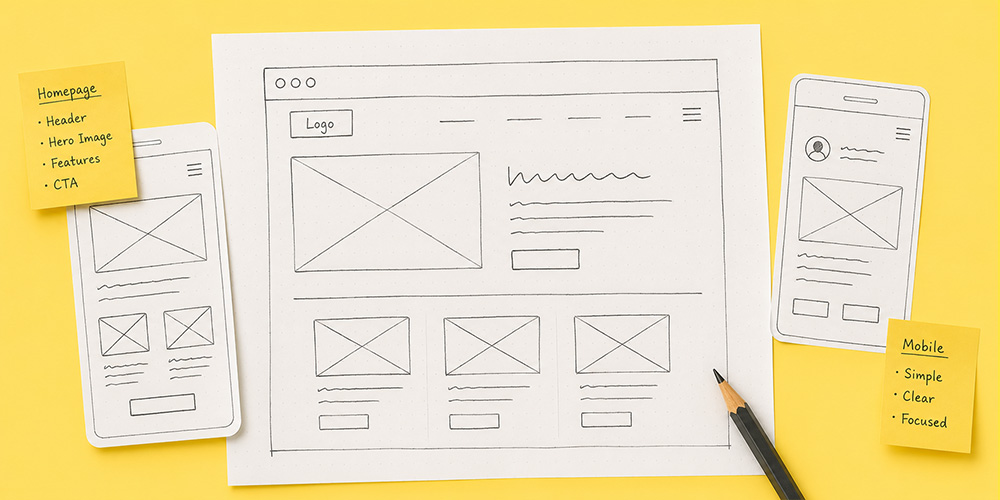
Low-fidelity prototypes are the simplest form of prototyping. They are also the fastest. They focus on structure and layout. They focus on core ideas. They do not focus on visuals or functionality. Common examples include sketches. They also include paper prototypes. They include wireframes. They include basic flow diagrams.
The main purpose of low-fidelity prototyping is exploration. Teams use these rapid prototypes to test ideas. They map user journeys. They validate assumptions early in the rapid prototyping process. They require minimal effort. Teams can create many concepts quickly. They can compare them. They can discard them quickly.
According to the Nielsen Norman Group, low-fidelity prototypes are effective for early-stage UX and product discovery. They encourage feedback on logic and usability. They reduce feedback that focuses on visual preferences. This makes them useful for concept validation. They help with stakeholder alignment. They work well in early design thinking workshops. Speed matters more than polish at this stage.
Medium-Fidelity Prototypes
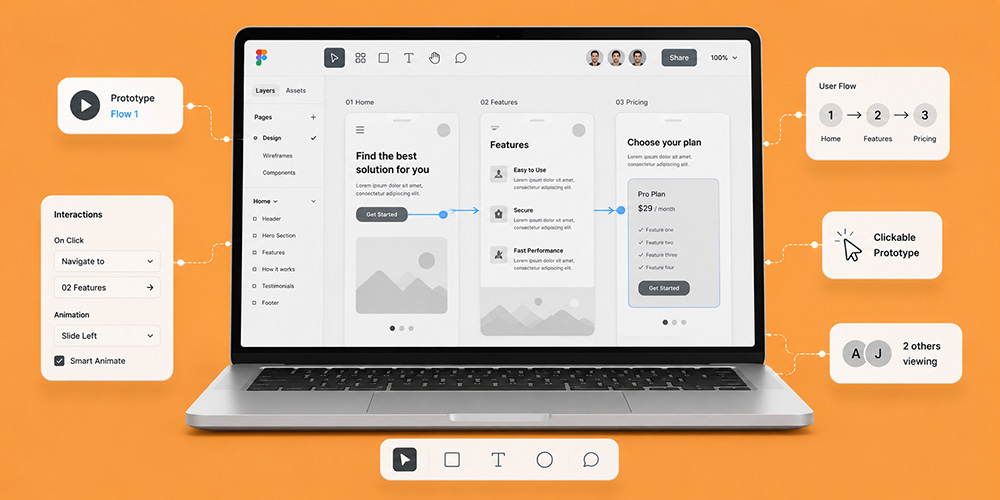
Medium-fidelity prototypes add more structure. They add more clarity. They still avoid full visual or technical complexity. They usually include defined layouts. They include clearer navigation. They include basic content hierarchy. They include limited interactivity. Tools like Figma, Adobe XD, and Sketch are commonly used at this stage.
In the rapid prototyping methodology, medium-fidelity prototypes act as a bridge. They connect ideas to execution. They are detailed enough for usability testing. They also support internal reviews. They still stay flexible. Teams can change them quickly based on feedback. Teams use this level to refine workflows. They validate feature placement. They prepare designs for development handoff.
Industry UX studies show that mid-fidelity usability testing can uncover most critical user flow issues before development begins. This reduces later iteration cycles. It helps teams move forward with more confidence and clarity.
High-Fidelity Prototypes

High-fidelity prototypes are the most detailed rapid prototypes. They are also the most realistic. They closely resemble the final product. They include visuals and interactions. They include typography and animations. They may also use real data. In digital product design, they can simulate near-production behavior. They may do this without being fully coded.
These prototypes are used when precision matters. They support advanced usability testing. They support stakeholder approvals. They support investor presentations. They support developer handoffs. High-fidelity prototyping is also common in rapid software prototyping. It is common in mobile application prototype development. Interaction details directly affect the user experience in these cases.
Research published by UX Collective and industry design benchmarks indicates that high-fidelity prototypes improve design-to-development accuracy. They reduce misinterpretation. They reduce rework during implementation. They require more time and effort than low or medium-fidelity models. They provide the highest confidence before full-scale development.
Types of Rapid Prototyping Methods
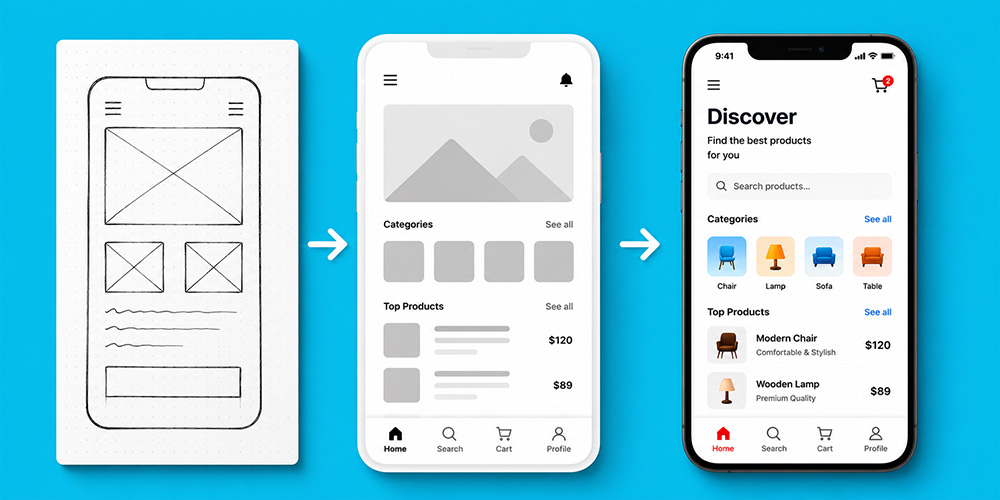
Rapid prototyping methods define how fast a concept is explored. They also define how deeply it is tested before full development. Each method fits a specific stage of the product lifecycle. Each one balances speed, cost, and validation depth. Choosing the right rapid prototyping method helps teams learn faster. It helps reduce risk. It supports confident design decisions.
Low-Fidelity Rapid Prototyping
Low-fidelity rapid prototyping focuses on speed. It focuses on idea validation. It does not focus on detail. These methods rely on sketches. They use paper wireframes. They use whiteboard flows. They also use simple digital wireframes. The goal is to externalize ideas. The goal is to test assumptions before committing time or resources.
This method works well in early product design. It supports rapid experimentation. Teams can create multiple rapid prototypes in a short time. They can gather feedback quickly. They can iterate without attachment to visuals or functionality. Research from UX-focused organizations consistently shows that early low-fidelity prototyping can uncover major usability and logic issues before any code is written. This reduces downstream rework.
Low-fidelity rapid prototyping is best for defining structure. It is best for validating user journeys. It is best for aligning stakeholders around a shared vision.
Medium-Fidelity Rapid Prototyping
Medium-fidelity rapid prototyping adds clarity. It adds interaction. It still maintains flexibility. These methods use structured layouts. They use clickable flows. They use a clearer content hierarchy. They do not include full visual polish. Tools such as Figma, Adobe XD, and Sketch are commonly used at this stage.
At this level, the rapid prototyping process shifts. It moves from idea exploration to usability validation. Teams test navigation logic with real users. They test interaction patterns. They test feature placement. According to usability testing benchmarks, identifying issues at the medium-fidelity stage can prevent a large percentage of usability defects. These are defects that would otherwise surface during development.
This method is ideal for refining product structure. It is ideal for validating workflows. It helps prepare designs for technical feasibility discussions. It still allows fast iteration based on feedback.
High-Fidelity Rapid Prototyping
High-fidelity rapid prototyping delivers near-realistic representations of the final product. These prototypes include detailed visuals. They include brand elements. They include animations and transitions. They include advanced interactions. In some cases, they may be partially coded. In some cases, they may connect to real data sources.
High-fidelity rapid prototyping is used when precision is required. It is used when confidence is required. It supports advanced usability testing. It supports stakeholder approvals. It supports developer handoff. Industry studies indicate that high-fidelity prototypes significantly reduce interpretation gaps between design and development. This improves build accuracy. This shortens delivery timelines.
This method is valuable for complex digital products. It is valuable for mobile application prototypes. It is valuable for rapid software prototyping. Small interaction details can have a major impact on user experience and adoption.
Rapid Prototyping Use Cases

Rapid prototyping is used when speed, clarity, and learning matter more than perfection. It applies across product design, UX, and software development. Most rapid prototyping use cases aim to reduce uncertainty before costly decisions. The scenarios below are the most common. They are also the highest-impact applications of rapid prototyping today.
Validating New Product Ideas or Concepts
A primary use case of rapid prototyping is validating new product ideas before full development. Teams avoid relying on assumptions. They create rapid prototypes to visualize the concept. They define core functionality. They test whether the idea solves a real problem. This aligns with prototyping in design thinking. Early feedback shapes direction.
Industry research consistently shows that products validated through early prototyping are significantly more likely to succeed. Teams can discard weak ideas quickly. They can focus resources on concepts with real potential. Rapid prototype development supports experimentation. It avoids the cost of engineering or manufacturing.
Market Validation and User Feedback
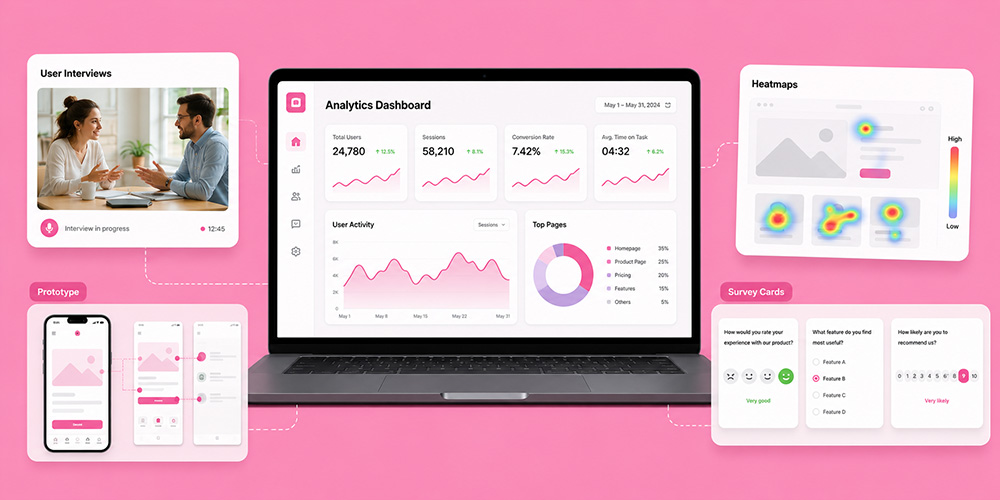
Rapid prototyping supports market validation by exposing real users to a product prototype. This can be done through UX rapid prototyping. It can use interactive prototypes. It can use clickable mockups. Teams observe how users respond to positioning. They observe feature reactions. They observe flows.
Studies in product development indicate that usability testing with prototypes can uncover most critical issues before launch. This feedback loop helps teams refine value propositions. It helps adjust messaging. It helps confirm demand before production. Rapid prototyping methodology turns user feedback into a measurable input. It is not a post-launch reaction.
Testing New Features With Users
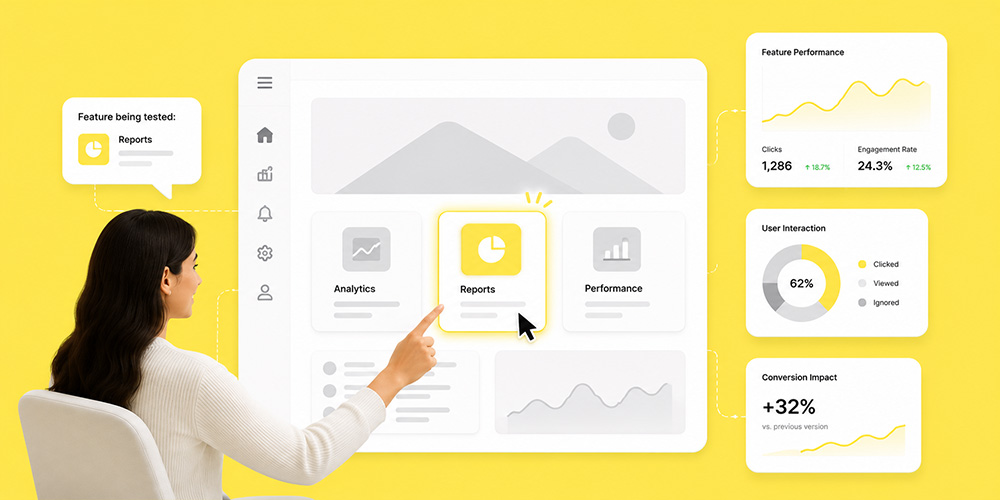
Another high-value use case is testing new features within an existing product. Teams avoid deploying features directly into live environments. They use rapid prototypes to test workflows. They test interactions. They test perceived value. This is common in rapid software prototyping. It is also common in mobile application prototype scenarios.
Validating features early reduces the risk of feature bloat. It also reduces poor adoption risk. Product teams that use rapid prototyping for feature testing often report shorter iteration cycles. They also report fewer rollbacks after release. Decisions are guided by observed user behavior. They are not driven by internal opinion.
Assessing Product-Market Fit
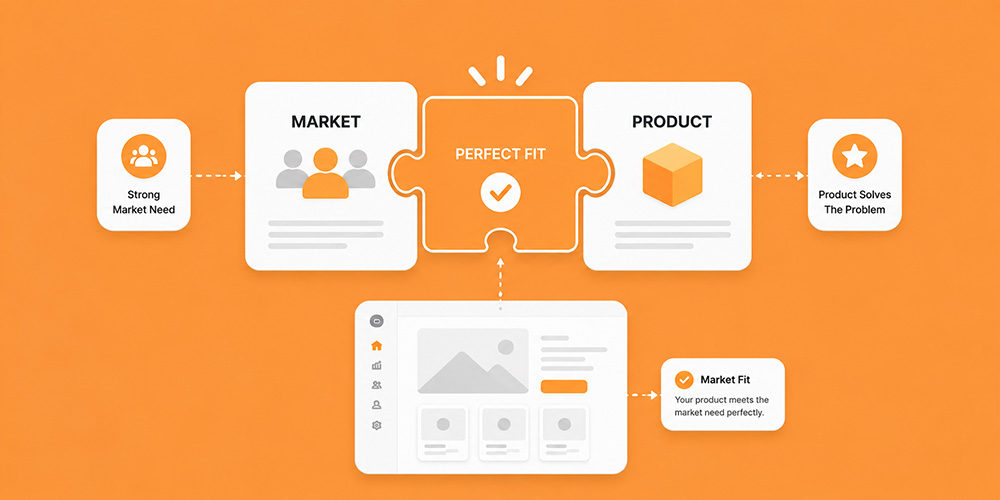
Rapid prototyping helps assess product-market fit. Teams do not build a complete product first. They create rapid prototypes that simulate the core experience. They test it with target users. This answers key questions. Is the solution desirable? Is it usable? Is it differentiated?
Data from startup and SaaS studies shows that lack of product-market fit is one of the leading reasons products fail. Rapid prototyping reduces this risk. It enables quick validation cycles. It enables rapid iteration. It enables early detection of misalignment between product vision and market needs.
Gathering Stakeholder and Investor Feedback
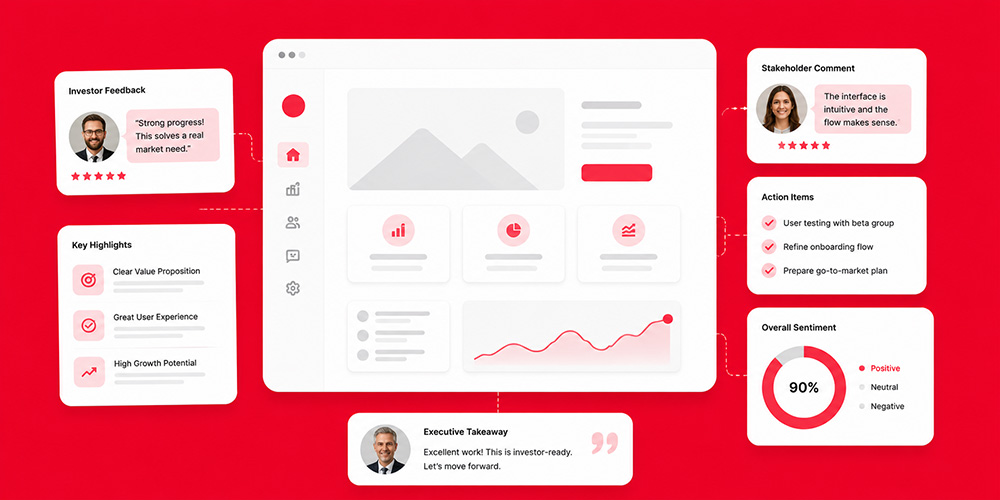
Rapid prototyping also helps communicate ideas to stakeholders, executives, and investors. A visual, interactive prototype is more effective than documents. It is also more effective than static presentations when explaining product logic and potential.
For investor discussions, rapid prototyping products help demonstrate feasibility, user flow, and scalability. A fully built system is not required. This use of rapid prototyping supports faster decision-making. It supports clearer alignment. It supports more productive feedback from non-technical audiences.
When You Need Rapid Prototyping
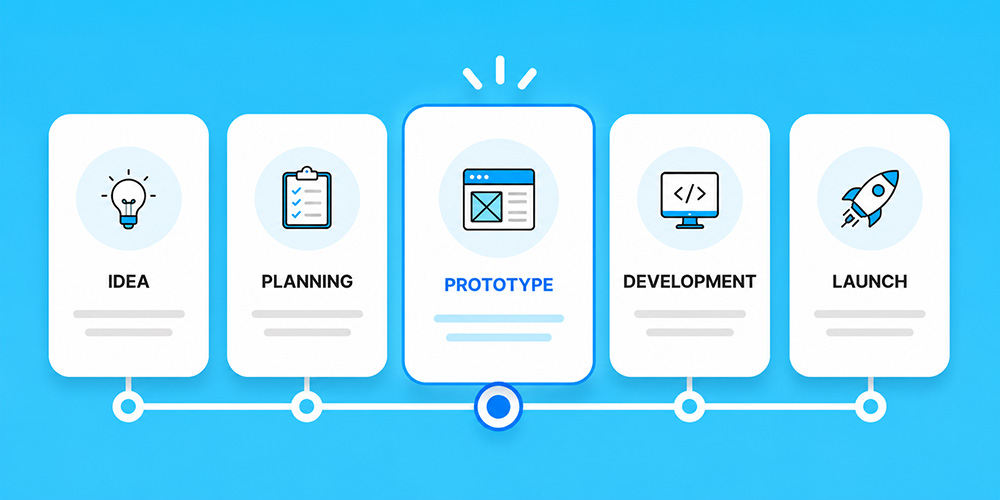
Rapid prototyping becomes essential when uncertainty, complexity, or investment risk is high. It is not only for early ideas. Modern product teams use rapid prototyping at multiple stages. The goal is to reduce guesswork, validate decisions, and accelerate progress before committing engineering or production resources.
Early-Stage Product Ideation
Rapid prototyping is most critical during early-stage product ideation. At this stage, ideas are still abstract. Assumptions are still untested. Creating a rapid prototype turns concepts into tangible models. Those models can be evaluated quickly. Instead of debating ideas internally, stakeholders can see the prototype. They can interact with it. They can refine it based on real feedback.
Research from product development studies shows that early prototyping helps teams identify flawed assumptions faster. They also pivot sooner. This reduces wasted development time. Rapid prototype development also allows multiple ideas to be tested in parallel. That increases the likelihood of selecting a viable product direction.
Feature Expansion or Redesign Projects
When expanding features or redesigning existing products, rapid prototyping helps prevent costly missteps. Adding new functionality without validation often leads to poor adoption. It can also lead to usability issues. Rapid prototyping methodology enables teams to test feature flows before production begins. It also supports testing information architecture and interactions before touching production code.
UX studies consistently show that redesign projects supported by prototyping uncover usability issues earlier. They also reduce rework later. Rapid prototyping and iteration help ensure changes improve the experience. It helps avoid disrupting existing user behavior.
Complex User Experience Challenges
Rapid prototyping is especially valuable when user journeys are complex. Products with multi-step flows benefit from UX rapid prototyping. Decision-heavy interfaces benefit as well. Cross-platform experiences also benefit from interactive prototypes. These allow teams to observe how users navigate complexity in real time.
According to usability research, most critical UX issues are discovered within the first few rounds of prototype testing. Rapid prototyping techniques help simplify workflows. They clarify interactions. They improve task completion rates before design decisions are locked in.
High-Risk or High-Investment Product Decisions
For high-risk or high-investment initiatives, rapid prototyping acts as a risk-reduction tool. When development costs are significant, validating assumptions up front is non-negotiable. The same applies when manufacturing or infrastructure costs are significant. Rapid prototypes provide evidence-based confidence before committing budgets.
Industry data shows that products tested through prototyping are significantly less likely to require major post-launch corrections. In these scenarios, rapid prototyping could be an advantageous methodology. It replaces speculation with validated learning and measurable insight.
Rapid Prototyping Process
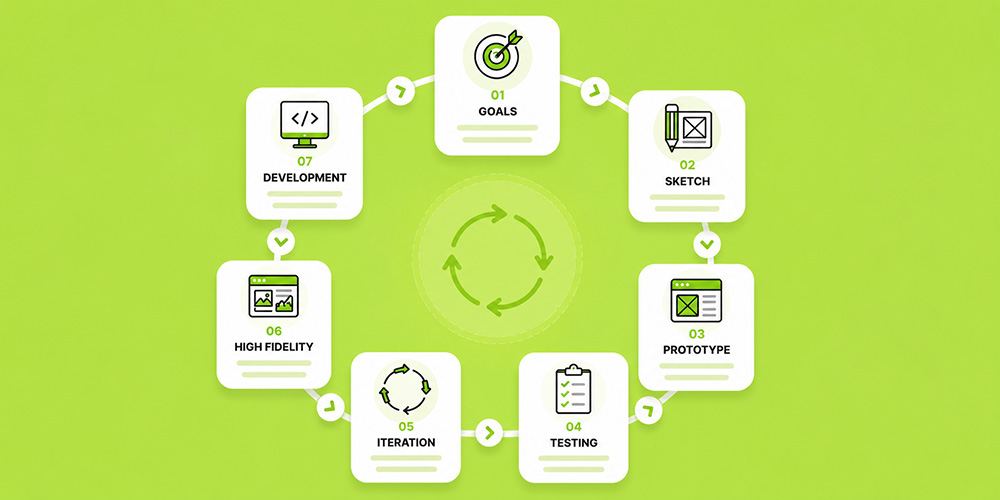
The rapid prototyping process follows a structured workflow. It also stays flexible. Teams move quickly from ideas to validated solutions. Each stage builds on the previous one. Learning, feedback, and iteration guide decisions. Assumptions do not.
Defining Goals and Success Criteria
Every rapid prototyping process starts with clear goals. Teams define what they are testing. They define the prototype’s target audience. They define what success looks like. This may include validating a problem. It may include testing usability. It may include confirming feature value. It may include assessing product-market fit. Clear success criteria keep rapid prototype development focused. They prevent unnecessary scope expansion. Studies in product design show that teams with defined prototype goals reduce iteration cycles. They also make decisions faster than teams that prototype without alignment.
Creating Initial Low-Fidelity Prototypes
Once goals are set, teams create low-fidelity prototypes. These are simple representations. Examples include sketches, wireframes, or basic clickable flows. Low-fidelity rapid prototyping emphasizes speed. It emphasizes exploration. It does not emphasize visual detail. At this stage, rapid prototyping for product design focuses on structure. It focuses on logic. It focuses on user flow. UX research consistently shows that low-fidelity prototypes uncover major usability issues early. This is when changes are least expensive.
Iterating and Refining Based on Feedback
Feedback drives the core value of rapid prototyping methodology. Teams test early prototypes with users, stakeholders, or internal teams. They refine them quickly based on observations. Rapid iteration allows multiple improvements in short timeframes. This is often within days rather than weeks. Data from usability testing indicate that most critical UX problems are identified in the first few feedback rounds. This makes fast iteration
Developing Medium-Fidelity Prototypes
After initial validation, teams move into medium-fidelity rapid prototyping. These prototypes add clearer layouts. They add realistic content. They add more defined interactions. They still remain flexible. Medium-fidelity prototypes help test navigation logic. They help test content hierarchy. They help test functional expectations. In rapid software prototyping and UX rapid prototyping, this stage bridges conceptual ideas with practical user behavior.
Advancing to High-Fidelity Prototypes
High-fidelity rapid prototyping introduces near-final visuals. It introduces near-final interactions. It sometimes includes real data. These prototypes closely resemble the finished product. They are often used for stakeholder approvals. They are used for investor presentations. They are used for advanced user testing. High-fidelity rapid prototypes are especially important for complex digital products. Visual clarity and interaction details influence trust and usability. Research shows that high-fidelity prototypes improve stakeholder alignment. They reduce late-stage design changes.
Testing, Validation, and Optimization
The final stage focuses on testing, validation, and optimization. Teams measure usability. They measure task completion rates. They measure error frequency. They measure user satisfaction. Insights gathered here inform final design decisions. They also inform the handoff to development. According to product development benchmarks, teams that validate designs through prototyping before development experience fewer post-launch issues. They also see higher user adoption rates.
Integrating Rapid Prototyping Into Your Workflow
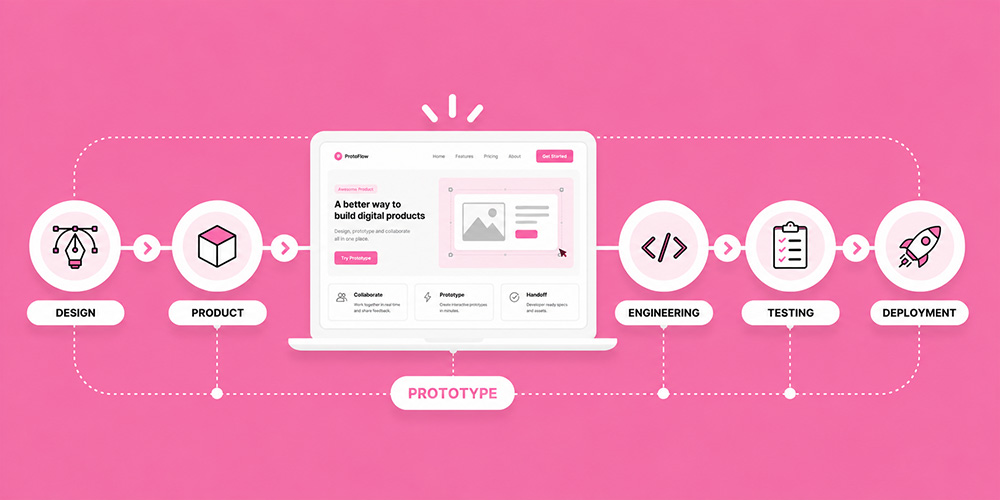
Integrating rapid prototyping into day-to-day workflows requires more than tools. It requires process alignment. It requires cross-team collaboration. It also requires clear expectations around speed, learning, and decision-making. When embedded correctly, rapid prototyping becomes a repeatable system. It improves product outcomes. It does not remain a one-off design activity.
Making Rapid Prototyping Part of the Design Process
Rapid prototyping works best when it is part of the core design process. It should not be treated as a separate phase. Teams that adopt rapid prototyping methodology early do better. They use it during discovery. They use it during ideation. They use it during concept validation. This reduces rework later in development. Product design studies show that teams testing ideas with prototypes in early stages identify usability issues up to 50 percent faster than teams relying only on specifications or static designs. Making rapid prototyping a standard step ensures that ideas are validated before significant investment.
Collaboration Between Design, Product, and Engineering Teams
Strong collaboration is essential for successful rapid prototyping. Designers focus on user flows and interaction logic. Product teams define goals and success metrics. Engineers assess technical feasibility. When these teams collaborate around shared rapid prototypes, alignment improves. Handoff friction decreases. Research from agile product teams shows that cross-functional collaboration around prototypes leads to fewer late-stage changes. It also leads to smoother development cycles, especially in complex digital products.
Tools and Platforms Used for Rapid Prototyping
Modern rapid prototyping relies on flexible tools. These tools must support fast iteration. They must support collaboration. Popular platforms for UX rapid prototyping and interactive prototypes include Figma, Sketch, Adobe XD, InVision, and Axure. For rapid software prototyping and more functional models, teams may use low-code tools or front-end frameworks. Industry surveys indicate that over 75 percent of product teams now use collaborative prototyping tools. They use them to test ideas faster. They use them to gather real user feedback earlier in the process.
Balancing Speed With Quality
Speed is a defining benefit of rapid prototyping. Quality must not be sacrificed. The goal is not to build perfect prototypes. The goal is to build the right level of fidelity at the right time. Low-fidelity prototypes prioritize learning. High-fidelity rapid prototypes focus on validation and alignment. Successful teams balance speed and quality by matching prototype fidelity to the decision being made. Product development benchmarks consistently show that teams that strike this balance reduce time-to-market while maintaining higher product quality and user satisfaction.
Best Practices for Rapid Prototyping

Rapid prototyping needs discipline. It needs clarity. It needs a learning-first mindset. Teams that follow best practices derive greater value from rapid prototyping. They reduce wasted effort. They make better product decisions earlier.
Start Small and Iterate Quickly
Rapid prototyping works best when teams start small. They test ideas that are easy to validate. They avoid building fully formed solutions too soon. Low-fidelity rapid prototypes speed up feedback. They reduce attachment to early concepts. Product development studies show that teams that iterate in short cycles are up to 40 percent more likely to identify usability issues before development begins. Quick iteration keeps momentum high. It keeps insights actionable.
Focus on Learning, Not Perfection
The purpose of rapid prototyping is learning. It is not Polish. Prototypes should answer questions. They should validate assumptions. They should expose risks. High visual fidelity too early can slow progress. It can bias feedback. UX research shows that imperfect prototypes encourage more honest input. Teams uncover real problems. They avoid chasing surface-level preferences.
Test Early and Test Often
Testing should begin as soon as a prototype is available. Early testing reveals usability gaps. It shows unclear flows. It surfaces unmet expectations. These issues are cheaper to fix early. Usability research indicates that testing with just five users can uncover nearly 80 percent of major usability issues. Frequent testing across the rapid prototyping process compounds learning. It reduces late-stage rework.
Use Feedback to Drive Decisions
Feedback must drive decisions. It should not sit in notes. Use qualitative insights from user testing. Use quantitative signals, such as task completion rates. Agile product benchmarks show teams that incorporate feedback into prototype iterations report higher confidence in product-market fit. They also see fewer post-launch changes.
Align Prototypes With Business Objectives
Rapid prototyping should connect to business goals. These include conversion, retention, efficiency, or revenue impact. Prototypes that test UX without business outcomes can create misalignment. Strong teams define clear success criteria for each prototype. This ensures rapid prototyping supports user needs and strategic objectives.
Rapid Prototyping for Business and Product Teams
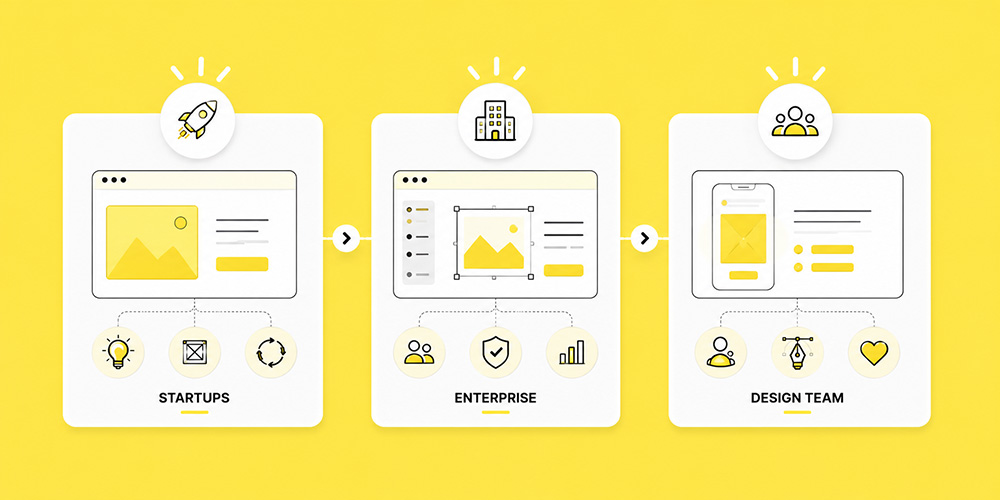
Rapid prototyping supports different organizational needs. It depends on team size, maturity, and objectives. When applied correctly, it becomes a shared framework. It aligns business strategy, product direction, and user experience design.
Rapid Prototyping for Startups
For startups, rapid prototyping is a critical survival tool. Early-stage teams use rapid prototype development to validate ideas. They do this before committing limited resources to full product builds. Fast prototyping helps founders test assumptions. This includes user needs, pricing, and workflows. It does this with minimal cost. Industry research shows that startups that validate concepts early through prototyping are significantly more likely to avoid costly pivots later. Rapid prototyping enables startups to demonstrate concepts to investors. It helps refine MVP scope. It also helps reach product-market fit faster.
Rapid Prototyping for Enterprises
In enterprise environments, rapid prototyping reduces risk. It helps with large-scale product and system decisions. Enterprises often manage complex ecosystems. They also manage legacy systems and multiple stakeholders. This makes early validation essential. Rapid prototyping allows teams to test integrations. It also allows teams to test user journeys and the impact of features. It does this without disrupting production systems. Many large organizations adopt rapid prototyping within their innovation labs. They also use it in digital transformation initiatives. This accelerates decision-making. It still maintains governance and quality standards.
Rapid Prototyping for UX and UI Design Teams
UX and UI design teams rely on rapid prototyping. It helps translate research insights into tangible experiences. Interactive prototypes help designers test usability. They also test accessibility and interaction patterns. This happens before development begins. Rapid prototyping in UX design supports continuous user feedback. It supports cross-functional collaboration. It supports evidence-based design decisions. Studies in UX practice show that teams using iterative prototyping uncover usability issues earlier. They also deliver interfaces with higher user satisfaction and engagement.
Common Challenges in Rapid Prototyping

Over-Polishing Early Prototypes
One of the biggest mistakes in rapid prototyping is treating early prototypes as final products. Teams spend too long perfecting visuals. They also overwork micro-interactions and edge-case flows. This happens before validating the core idea. A better rapid prototyping process keeps early work lightweight. It should be just enough to test assumptions, unblock decisions, and learn quickly. Musemind highlights this tension clearly. Teams often either over-refine prototypes or abandon them too early. Both slow down rapid prototype development and reduce learning velocity.
Misaligned Stakeholder Expectations
Rapid prototyping for product design can backfire when stakeholders interpret a rapid prototype as “almost ready to build.” That misread creates scope pressure. It also creates unrealistic timelines and approval loops. This defeats the purpose of prototyping rapidly. To prevent this, teams should explicitly label fidelity. They should define the feedback required. They should also tie every review to a decision. Example: “This UX prototype tests navigation clarity, not final UI.” Clear guardrails keep the prototype process focused on learning. They reduce subjective preferences. They also protect the rapid prototyping methodology from turning into design-by-committee.
Insufficient User Testing
Fast prototyping only works when it is paired with fast validation. Skipping user testing is a common failure point. Relying only on internal opinions is another. Both reduce the extent to which prototypes de-risk product decisions. A practical benchmark many teams use is running multiple small usability rounds. This replaces one big study. Research and industry practice often reference the “magic number” idea. Testing with around five users per round can surface many of the most noticeable usability issues. Repeated rounds across stages help catch new problems as the design evolves. MeasuringU adds an important caveat. You are not guaranteed to find “85% of all issues.” You are more likely to find the most obvious ones. Iteration still matters.
Time and Resource Constraints
Rapid prototyping could be an advantageous methodology. It can still stall under real-world constraints. Limited designer bandwidth is one issue. Unclear priorities are another. Slow feedback cycles also hurt. Engineering dependencies can turn “quick prototyping” into weeks of waiting. The fix is operational. Use timeboxed sprints. Constrain scope to one hypothesis at a time. Reuse components and prototype models. Standardize tools for interactive prototypes. When rapid prototypes are treated as a repeatable system rather than a one-off effort, teams preserve speed. They do this without sacrificing decision quality.
COLAB DXB Rapid Prototyping Support for Confident Product Decisions

Rapid prototyping works best when it shortens the distance between an assumption and evidence. Teams move faster when they can test a flow. They watch real behavior. They iterate before development locks in costly decisions. That is why low-fidelity sketches, medium-fidelity clickable paths, and high-fidelity prototypes should be selected based on the question being answered. They should not be selected based on aesthetics.
As a web design and development agency, COLAB DXB helps product teams use rapid prototype development to validate navigation, interaction logic, feature value, and content hierarchy without overbuilding. We define goals and success criteria. We choose the right fidelity level. We run lightweight usability checks. We document our findings in a way that enables stakeholders to approve quickly. When the direction is confirmed, we convert prototypes into handoff-ready UI specifications. We also provide component guidance. We create a prioritized build roadmap that reduces engineering rework.
This approach keeps speed aligned with quality. You learn faster. You reduce risk. You enter development with clearer requirements. You face fewer unknowns. You gain stronger internal alignment. Want rapid prototyping that leads to cleaner launches, not endless iterations. Contact COLAB DXB today.

About The Author
Sid hasan
Sid Hasan is an entrepreneur and marketing strategist recognized for his expertise in brand growth, digital innovation, and business development. With over a decade of experience, he has guided companies in building data-driven marketing ecosystems that generate measurable results.
As the founder of COLAB Marketing Inc., Sid leads a global agency serving over 200 brands across the U.S. and UAE, blending creative storytelling with performance-driven strategy to help businesses scale effectively.
Through COLAB, he continues to empower emerging and established brands to transform ideas into lasting market impact through strategic clarity, creative execution, and digital excellence.
